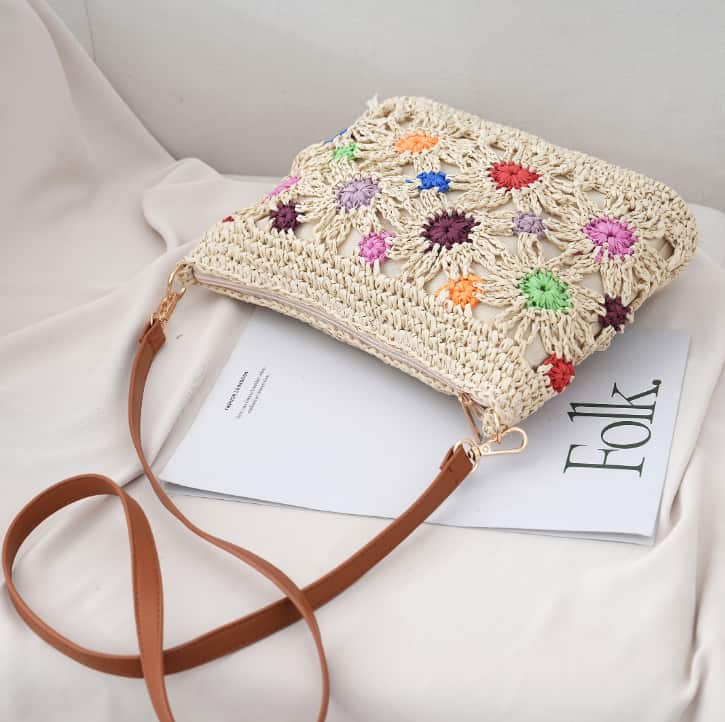
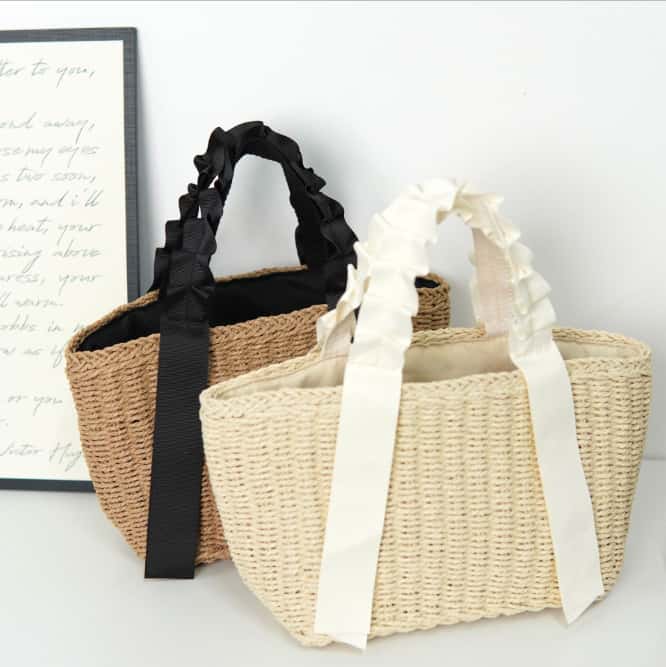
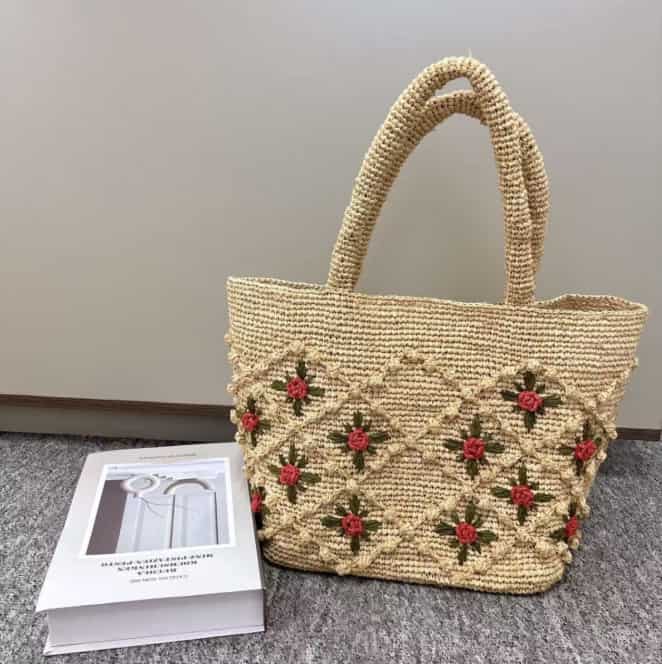
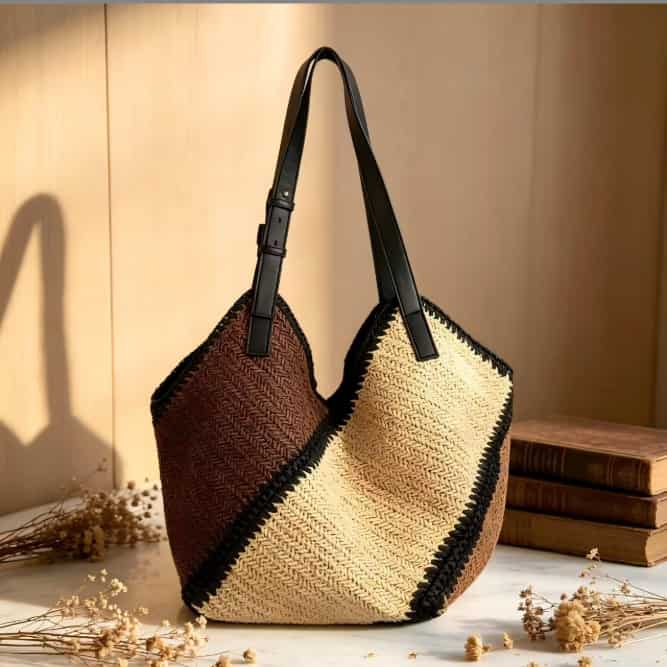
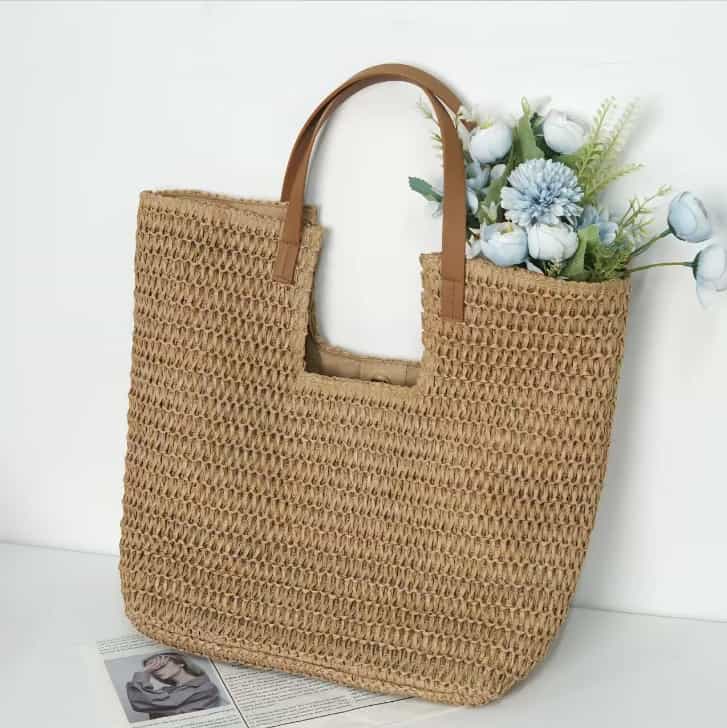
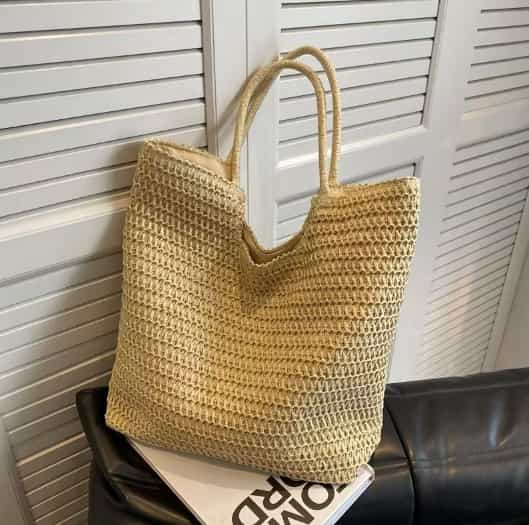
Raffia bags are a summer wardrobe staple—lightweight, breathable, and effortlessly chic. But after purchasing one, many people ask: How do I clean it? Will rain ruin it? Can I wash it when it gets dirty?
Raffia is a natural fiber from the Madagascar raffia palm, with a waxy protective layer that resists breakage and wear. With proper care, a high-quality raffia bag can last 5-10 years and develop a beautiful patina over time.
This guide covers everything you need to know—daily cleaning, spot treatment, water exposure, and storage—to keep your raffia bag looking its best.
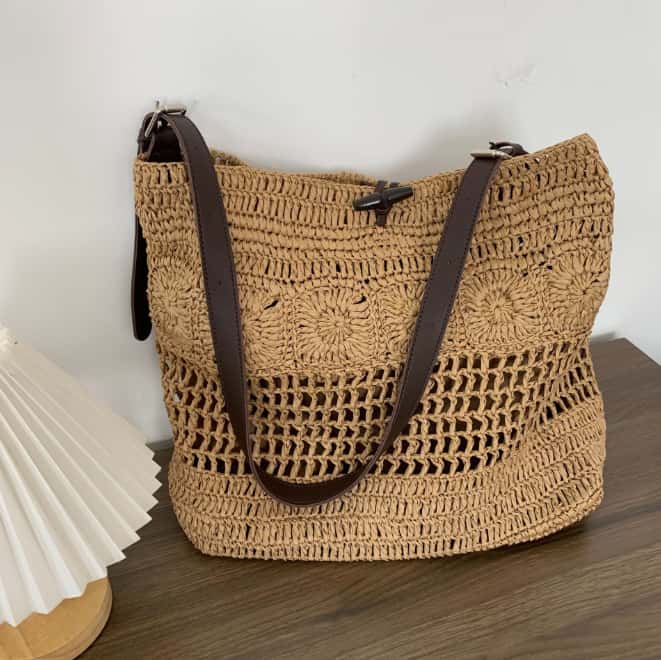
Daily Cleaning for Raffia Bags
Daily Dusting – The Simplest and Most Important Step
Raffia bags inevitably collect dust and debris during regular use. Daily cleaning is actually very simple:
- Soft brush method: Use a soft-bristled brush (like a toothbrush or makeup brush) to gently brush away dust and debris, following the weave direction
- Dry cloth method: Wipe the bag surface gently with a clean, soft dry cloth to remove surface dust
This simple routine, if done consistently, can significantly reduce the need for deep cleaning and keep your bag looking fresh.
Spot Cleaning – Targeted Stain Removal
If the bag surface has localized stains, don’t rush to wash the entire bag. Here are targeted methods for different types of stains:
Light Stains (Eraser Method):
- Gently rub the stained area with a clean white eraser—this removes most light marks
- Best for: Surface dust marks, light friction marks
Larger Stains (Damp Cloth Method):
- Dip a soft towel in warm water and wring thoroughly until almost dry
- Gently wipe the stained area, then air-dry naturally
- If needed, add a small amount of mild neutral detergent to the water, but rinse thoroughly
Stubborn Stains (Soft Brush Method):
- For tougher stains, use a soft brush dipped in mild soapy water to gently scrub the stain
- Wipe away soap residue with a clean damp cloth afterward
- Note: Don’t rub vigorously to avoid fiber damage
What NOT to Do
| ❌ Wrong Practice | ⚠️ Consequence | ✅ Correct Practice |
|---|---|---|
| Soaking in water | Fiber expansion, bag deformation | Spot clean + soft brush |
| Rubbing vigorously | Fiber damage, pilling | Pat or brush gently |
| Using chemical cleaners | Stains, fiber corrosion | Use mild neutral detergent |
| Using a hairdryer | Heat deformation, brittleness | Air-dry in ventilated area |
| Sun-drying | Fading, cracking | Air-dry in shade |
Targeted Treatment for Different Stain Types
Different stains require different treatment approaches:
Oil/Grease Stains:
- Immediately blot the surface with a dry cloth to absorb excess oil
- Sprinkle a small amount of cornstarch or baby powder and leave for 30 minutes to absorb oil
- Gently brush off powder and wipe with a damp cloth
- Caution: Do not rub—this will spread the stain
Red Wine/Juice Stains:
- Immediately blot the liquid with a dry cloth
- Wipe gently from the stain edge toward the center with a slightly damp cloth
- Blot with a dry cloth and repeat until the stain fades
- Caution: Don’t let the liquid sit on the fiber for too long
Mud/Dirt Stains:
- Let the mud dry completely, then gently brush off the dry dirt
- If residue remains, wipe lightly with a damp cloth
- Caution: Don’t wipe while the mud is still wet—it will spread
Sweat/Yellow Stains:
- Dip a cotton swab in a small amount of white vinegar + water (1:3) solution and dab on the stain
- Immediately blot with a dry cloth
- Air-dry naturally
- Caution: Don’t use too much vinegar to avoid fiber damage
Ink/Pen Marks:
- This is difficult—immediately dab with a cotton swab dipped in a tiny amount of rubbing alcohol
- Blot with a dry cloth immediately
- Caution: Requires extreme care; professional cleaning is recommended
Cleaning Tool Selection Guide
Using the right tools makes cleaning much more effective:
| Tool | Purpose | Recommended Spec | Notes |
|---|---|---|---|
| Soft-bristled brush | Daily dusting | Boar or nylon bristle, medium softness | Brush gently in weave direction |
| Microfiber cloth | Wiping and cleaning | Ultra-fine fiber | Slightly damp only—not dripping |
| White eraser | Removing light stains | Standard white eraser | Avoid colored erasers—may stain |
| Soft sponge | Spot cleaning | Fine-pore sponge | Squeeze dry before use |
| Cotton swab/balls | Detail cleaning | Medical grade | Precise treatment for small stains |
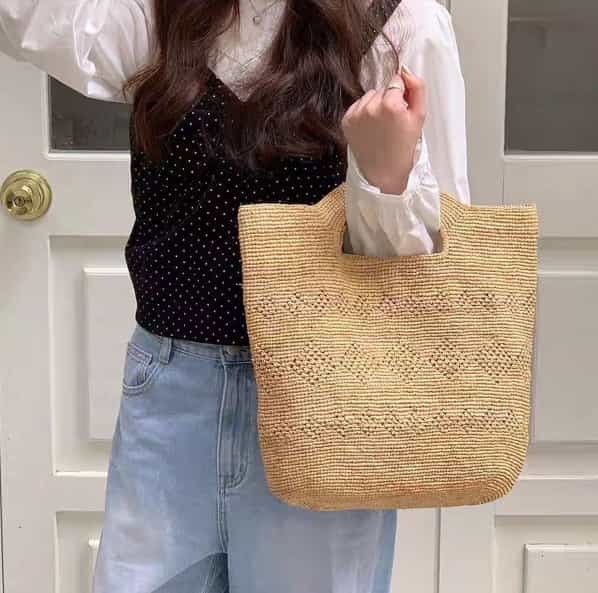
Deep Cleaning for Raffia Bags
Special Care for Washable Raffia
There is a product called “washable raffia” on the market (such as Taiwan-made raffia paper yarn) that undergoes special processing to withstand moderate washing.
Steps for Washing Washable Raffia:
- Spot pre-treatment: Use a damp cloth or soft brush to treat obvious stains first
- Gentle washing: Use neutral detergent in cold water, gently kneading
- Press out water: Press with a towel to absorb excess water—never wring or twist
- Lay flat to dry: Dry flat in a ventilated area—avoid prolonged soaking
Important Note: Even if labeled “washable,” it should be “washable, quick-dry, but not soakable.” After washing, stitches may swell and long stitches may become loose, so always treat gently.
Cleaning Methods by Material Type
Raffia bags vary by material, and cleaning methods differ accordingly:
| Material Type | Cleaning Method | Taboos |
|---|---|---|
| Natural Raffia | Spot cleaning, soft brushing | ❌ Not washable, not soakable |
| Raffia Paper Yarn (Taiwan) | Spot washable, mild detergent, gentle kneading | ⚠️ Don’t soak, don’t machine wash |
| Raffia-Cotton Blend | Washable, quick-dry, lay flat to dry | ⚠️ Don’t soak, don’t machine wash |
| With Leather Trim | Leather: conditioner; raffia: dry brush | ❌ Don’t wash the whole bag |
Steam Setting – Restoring Shape
If a raffia bag has softened or lost its shape from storage or use, try the steam setting method:
- Use a garment steamer or the steam function of a household iron to gently steam the bag body
- Caution: Don’t steam leather tags or trims directly—may cause discoloration
- Steam setting should be done carefully—some users report that steaming can make the bag softer and lose its structure
Recommendation: Test with a low setting on a small area first, observe the effect, then decide whether to continue.
How to Fix Whitening on Raffia Bag Surfaces
Over time, raffia bags may develop white marks—usually due to wax layer wear, fiber dryness, or sun exposure:
Issue 1: Wax Layer Wear (Whitening)
- Cause: Frequent rubbing causes the natural wax layer to wear off
- Repair: Apply a small amount of natural beeswax or olive oil to a soft cloth and gently massage into the affected area
- Caution: Test on a hidden spot first; do not use too much oil
Issue 2: Dry Fiber Whitening
- Cause: Prolonged dry environment causes fibers to lose moisture
- Repair: Place the bag in the bathroom (without turning on the water, using steam from a shower) for 1-2 hours
- Caution: Do not spray water directly; use gentle steam
Issue 3: Sun Exposure Fading
- Cause: UV rays cause surface fading
- Repair: If mild, wipe gently with a damp cloth and air-dry; severe fading is difficult to repair
- Prevention: Avoid prolonged sun exposure—this is the only effective prevention
Edge Wear and Loose Thread Management
After long-term use, bag edges and thread ends may show wear and looseness:
Edge Wear Treatment:
- Light wear: Hand-stitch with matching raffia thread for reinforcement
- Edge fuzzing: Carefully trim loose fibers with small scissors, then smooth with a slightly damp cloth
- Caution: Do not use a fabric shaver—it may cut fibers
Loose Thread Treatment:
- If threads are loose, address immediately
- Use a needle to pull loose threads back inside the bag and knot securely
- If the thread is too short to pull through, reinforce with matching thread
Professional Repair Advice:
- Severe wear or large-area loose threads: Send to a professional repair shop
- Don’t remove and reweave yourself—it will leave needle marks
- Consider adding a slightly larger embroidered patch over the area

Water Exposure and Moisture Treatment
Natural Raffia is “Water-Resistant,” Not “Waterproof”
Natural raffia fibers have a natural waxy coating that gives them some water resistance. Light splashes or brief rain won’t immediately damage the bag, but prolonged soaking will cause fibers to absorb water, swell, deform, and potentially mold.
Proper Steps After Rain Exposure
If a raffia bag gets caught in the rain:
- Immediately absorb moisture: Gently press with a dry towel to absorb surface moisture
- Air-dry naturally: Place in a ventilated area away from direct sunlight and heat sources
- Don’t rub: Fibers are fragile when wet—rubbing causes damage
- Occasional sun exposure is OK: If it’s damp from rain, you can sun-dry briefly, then move to a ventilated area
Sweat and Odor Treatment
During summer use, raffia bags can absorb sweat and odors. Here’s how to treat them:
- Gently wipe with rubbing alcohol or a wet wipe to remove sweat stains and odors
- Air-dry naturally after wiping
- Avoid scented wipes—they may leave chemical residues
Moisture-Proof Storage Solutions
For those living in humid areas or during long rainy seasons, moisture-proof storage is essential:
The Moisture-Proof Three Essentials:
- Silica gel desiccants: Place inside the bag when not in use—recharge by sun-drying regularly
- Cotton dust bag: Use breathable cotton—never seal in plastic bags
- Ventilated storage location: Choose a cool, well-ventilated area away from walls and floors
Humidity Monitoring Tips:
- Ideal humidity for storage: 40-60%
- Use a home hygrometer to monitor the storage environment
- If humidity exceeds 70%, add more desiccants
Rainy Season Special Reminders:
- Even if not in use, take the bag out to air monthly during rainy season
- If the bag surface feels damp, immediately add desiccants and ventilate
- For long-term storage, you can put a sealed outer bag over the dust bag (but the inner bag still needs ventilation)
Emergency Mold Treatment for Raffia Bags
If you discover mold on your raffia bag, don’t give up immediately. Follow these step-by-step emergency steps:
Step 1: Light Mold (Minor Spots)
- Gently pat the bag outside to shake off loose mold spores
- Wipe spots with a cloth dampened with white vinegar + water (1:3), then immediately blot dry
- Air-dry in a ventilated area for 24 hours
- Check for any remaining residue and repeat if necessary
Step 2: Moderate Mold (Widespread Spots)
- Take the bag outdoors to a shaded, ventilated area and gently brush off mold with a soft brush
- Use a specialized anti-mold spray, spray evenly, and air-dry
- Place multiple silica gel desiccants inside the bag for continuous moisture absorption
- Monitor closely for 3-5 days—if mold reappears, proceed to professional treatment
Step 3: Severe Mold (Mold Penetrated Deep into Fibers)
- Stop DIY treatment immediately
- Photograph the condition and send to a professional leather/fabric care specialist
- Accept that full recovery may not be possible
Important Precautions:
- Wear a mask and gloves during treatment to avoid inhaling mold spores
- Isolate moldy bags from others to prevent cross-contamination
- If the bag smells musty and shows mold, the mildew has likely penetrated deeply—consider discarding
Storage and Organization
Basic Storage Principles
There are four key rules for storing raffia bags:
- Keep dry: Ensure the bag is completely dry before storage—avoid damp environments
- Avoid sunlight: Store in a cool place away from direct sunlight
- Maintain shape: Stuff with clean paper or cloth to prevent deformation
- Use a dust bag: Store in a breathable cotton dust bag to protect from dust
Important: Avoid plastic bags—raffia needs to breathe; plastic traps moisture.
Seasonal Storage Tips
When storing raffia bags during off-seasons:
- Clean thoroughly and ensure complete dryness before storing
- Stuff with white paper or cloth to maintain three-dimensional shape
- Place in a cotton dust bag
- Store in a ventilated, dry area—away from basements or damp cabinets
Leather Trim Care
If your raffia bag has leather handles or trims:
- Wipe leather parts with a soft dry cloth and leather conditioner
- Use a dry brush or soft cloth on raffia sections
- Keep leather away from water and chemical cleaners
Choosing the Right Stuffing Material
The choice of stuffing material directly affects how well your bag holds its shape:
| Stuffing Material | Pros | Cons | Best For |
|---|---|---|---|
| Acid-free paper | Won’t yellow, acid-free | Stiff, won’t conform perfectly | Long-term storage (top choice) |
| White cotton cloth | Soft, breathable, gentle | Less supportive | Short-term storage, daily use |
| Newspaper | Easily available, cheap | Ink can transfer; acid damages fibers | Not recommended |
| Bubble wrap | Strong support | Non-breathable, traps moisture | Short-term use during shipping |
| Silk/cotton fiberfill | Soft, conforms, breathable | Slightly more expensive | Premium bag storage (top choice) |
Usage Tips:
- Ensure stuffing is completely dry before use
- Fill so the bag surface is smooth but not overstretched
- Check stuffing condition each season—replace yellowing paper
Short-Term vs. Long-Term Storage Differences
| Aspect | Short-Term (1-30 days) | Long-Term (1+ months) |
|---|---|---|
| Cleaning | Light dusting only | Must deep clean and completely dry |
| Stuffing | Soft cloth can be used | Must use acid-free paper or cotton |
| Dust bag | Recommended | Must use breathable cotton dust bag |
| Environment | Regular indoor environment | Stable temp (15-25°C) & humidity (40-60%) |
| Check frequency | Check before each use | Every 2-3 months for ventilation |
| Best for | Daily non-use periods | Seasonal changes, long-term storage |
7 Steps for Seasonal Storage:
- Clean the bag thoroughly inside and out
- Ensure the bag is 100% completely dry
- Stuff with acid-free paper or white cotton (don’t overstretch)
- Place in a breathable cotton dust bag
- Store in a cool, ventilated, stable environment
- Lay flat or hang (never fold, never stack)
- Label the dust bag with the storage date to remind yourself of regular checks
Four-Season Care Plan for Raffia Bags
Spring: Seasonal Transition and Inspection
Spring is the season when raffia bags wake up from winter storage. Perform the following care:
Thorough Inspection:
- Check for mold, insect damage, or deformation from winter storage
- Check handle attachments for firmness
- Check hardware for oxidation or looseness
Cleaning and Dusting:
- Brush off dust with a soft brush
- If mold is present, wipe with white vinegar + water (1:3) and air-dry
- If there are minor creases, lightly mist with water, stuff with filler, and air-dry
Ventilation:
- Place the bag in a ventilated area for 1-2 days to remove musty storage smells
- Place a small amount of dried flowers or tea bags inside to absorb residual odors
Summer: High-Usage Season Precautions
Summer is when raffia bags are used most—and when they’re most vulnerable:
Sun and Heat Protection:
- Don’t leave raffia bags in direct sunlight (beach, car)—heat melts the wax layer and makes fibers brittle
- If using outdoors, keep in the shade or under an umbrella
- High temperatures cause the wax layer to soften and fibers to become brittle
Sweat Stain Treatment:
- Summer means more sweat—wipe the bag with a dry cloth after each use
- If sweat stains appear, wipe with a damp cloth and air-dry
- Contact points with skin are especially prone to sweat marks
Rainy Day Care:
- Summer has many showers—keep a foldable tote in the bag to protect it during sudden rain
- Carry a small pack of tissues for quick moisture absorption
- Be prepared for unexpected rain
Regular Checks:
- Inspect the bag weekly for wear or fraying
- Address small issues promptly before they worsen
Autumn: Pre-Retirement Maintenance
Autumn is when usage frequency starts to decline. Before putting the bag away:
Deep Cleaning:
- Thoroughly clean the entire bag before storing
- Remove dust and stains accumulated over the summer
- Check for any remaining sweat or oil stains
Wear Inspection:
- Carefully check handles, edges, and base—the most worn areas
- Reinforce if needed—loose stitches should be secured
- Minor wear can be repaired with matching raffia thread
Ensure Complete Dryness:
- After cleaning, ensure the bag is 100% dry
- Leave in a ventilated area for 2-3 days to ensure no moisture remains
Document Condition:
- Photograph the bag’s condition for comparison next season
- Record years of use and care history
Winter: Long-Term Storage Guidelines
Winter is the raffia bag’s “hibernation period.” Proper storage determines next season’s condition:
Clean Before Storing:
- Never store uncleaned bags—residual stains and sweat will damage fibers over months
- Pre-storage cleaning must be thorough
Use Stuffing:
- Fill with acid-free paper or white cotton to maintain shape
- Prevents deformation
- Don’t overstuff—it could stretch the bag
Dust Bag Protection:
- Use breathable cotton dust bags
- Never seal in plastic (traps moisture)
- Label the dust bag with the bag name and storage date
Choose the Right Location:
- Store in a stable environment (15-25°C, 40-60% humidity)
- Away from radiators and windows
- Avoid basements or damp cabinets
Periodic Checks:
- Every 2-3 months, take the bag out to air and check for mold
- Address any abnormalities promptly
Four-Season Care Schedule
| Season | Main Task | Key Actions | Check Frequency |
|---|---|---|---|
| Spring | Seasonal transition | Clean, inspect, ventilate | Monthly |
| Summer | High-use maintenance | Sun protection, sweat control, rain care | Weekly |
| Autumn | Pre-retirement | Deep clean, check wear | Monthly |
| Winter | Long-term storage | Stuff, protect from moisture and dust | Every 2-3 months |
Common Misconceptions About Raffia Bag Cleaning and Care
Many consumers, due to misinformation or misunderstanding, often use improper cleaning methods that actually accelerate bag damage. Here are the most common misconceptions and the truth behind them.
Common Misconceptions and Truths
Misconception 1: Raffia bags can be washed like regular fabric
- Truth: Most natural raffia bags cannot be washed.
- Clarification: Natural raffia is plant fiber that swells and deforms when wet. Even products labeled “washable” can only be gently hand-washed quickly—no prolonged soaking.
- Advice for clients: Explain the “spot-clean first, whole-bag wash second” principle, and clearly specify which products can and cannot be washed.
Misconception 2: Scrub vigorously with a damp cloth to get it clean
- Truth: Too much pressure damages the fiber surface.
- Clarification: The correct approach is to first remove dust with a soft brush, then gently wipe with a slightly damp cloth. Immediately blot dry with a dry cloth and air-dry.
- Advice for clients: Provide “brush first, wipe second” step-by-step cleaning guides.
Misconception 3: Raffia is completely waterproof, so it can get wet
- Truth: Natural raffia is water-resistant, not waterproof.
- Clarification: The wax layer on natural raffia repels light moisture. The key is “treat immediately after getting wet” and “don’t soak for long periods.”
- Advice for clients: Tell clients “getting wet isn’t the problem—ignoring it is.” Provide proper post-water treatment steps.
Misconception 4: Sun-drying kills bacteria and removes odors
- Truth: Sun-drying is a raffia bag “killer.”
- Clarification: Direct sunlight melts the natural wax layer, causes fading, and makes fibers brittle. The correct way to remove odors is to air-dry in a ventilated area.
- Advice for clients: Emphasize that “avoiding sun” is the #1 care principle.
Misconception 5: Chemical cleaners are needed to get it truly clean
- Truth: Chemical cleaners damage fibers and are harder to remedy.
- Clarification: The natural wax layer on raffia fibers is its best protection. Chemical cleaners destroy this layer, making fibers lose luster and become brittle.
- Advice for clients: Recommend mild neutral detergents or natural cleaning methods.
Misconception Quick Reference Table
| Misconception | Truth | Advice for Clients |
|---|---|---|
| Can be washed | Cannot soak—spot clean only | Clearly label “Not Washable” or “Spot Clean Only” |
| Scrub hard to clean | Gentle wiping + soft brush is more effective | Provide “brush first, wipe second” guide |
| Completely waterproof | Water-resistant—handles light splashes | Provide post-water treatment guidelines |
| Sun-drying kills bacteria | Sun exposure damages fibers | Emphasize “avoid sun” principle |
| Chemical cleaners work best | They damage the natural protective layer | Recommend mild neutral detergents |
Summary
Caring for raffia bags isn’t complicated—the core is gentle handling, spot cleaning, avoiding water and sun, and keeping them ventilated.
Key Takeaways
| Care Aspect | Correct Practice | Common Mistakes |
|---|---|---|
| Daily dust removal | Brush with soft brush | Washing or wiping large areas with a wet cloth |
| Spot cleaning | Damp cloth wipe + air-dry | Rubbing hard or soaking the whole bag |
| Rain treatment | Blot with dry cloth + air-dry in shade | Blow-drying or sun-drying |
| Storage | Dust bag + stuffing + ventilated area | Sealing in plastic bags or heavy stacking |
| Leather care | Regular conditioning with cream | Neglect or using improper chemicals |
One-sentence summary: The best way to care for a raffia bag is to be mindful in everyday use—avoid soaking, avoid sun, avoid overloading, and avoid folding. Do these, and your raffia bag will accompany you through many beautiful summers.
Looking to source high-quality raffia bags?
Contact us for wholesale pricing or custom solutions—ideal for retailers, brand clients, and craft studios.