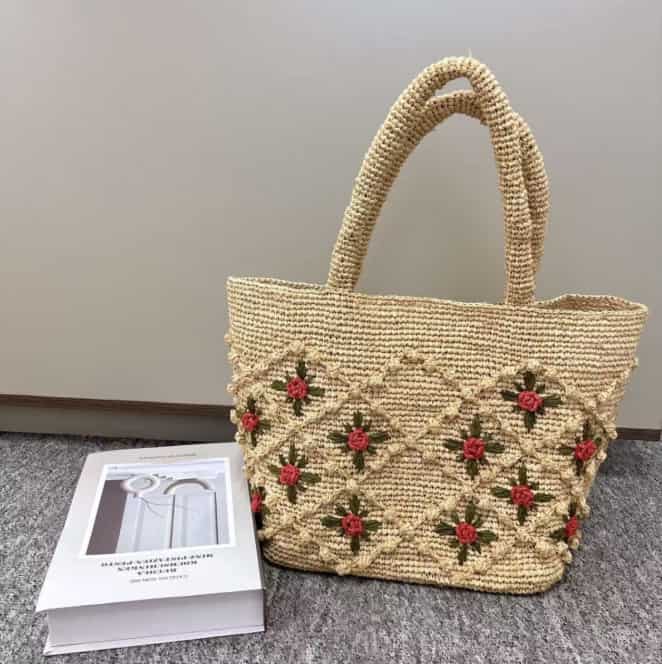
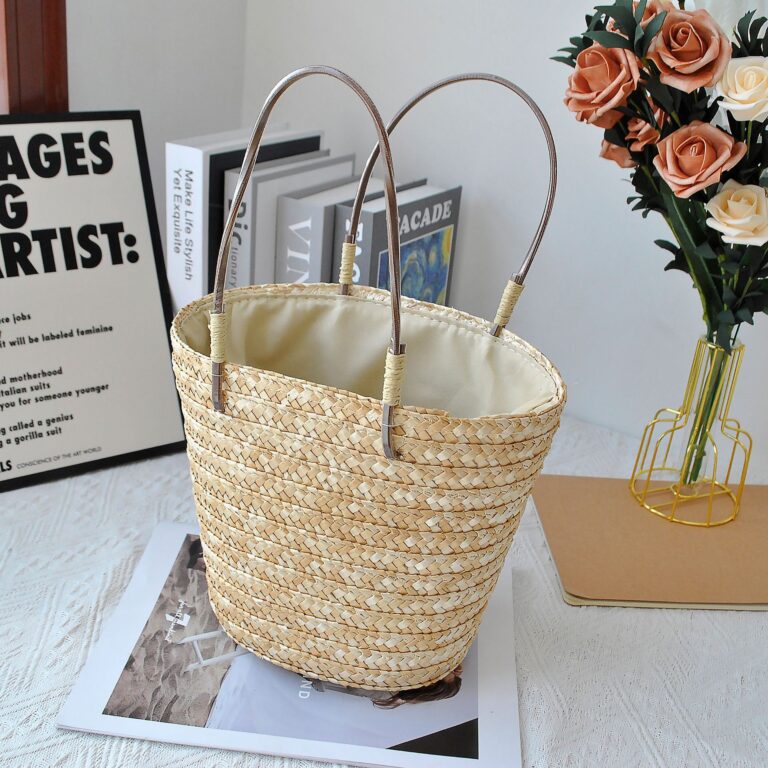
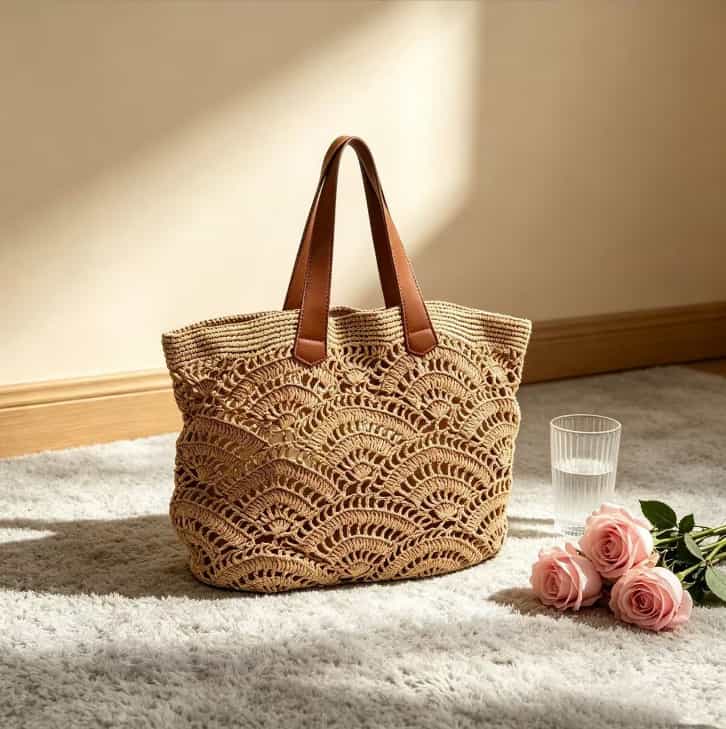
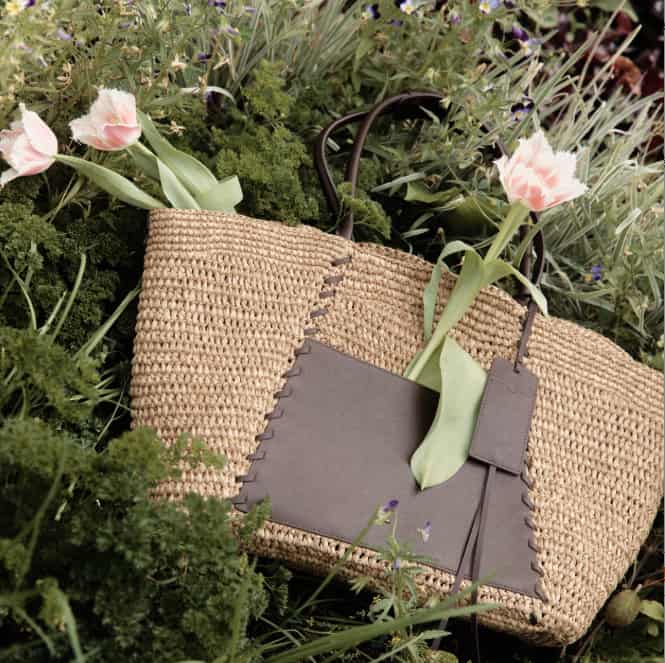
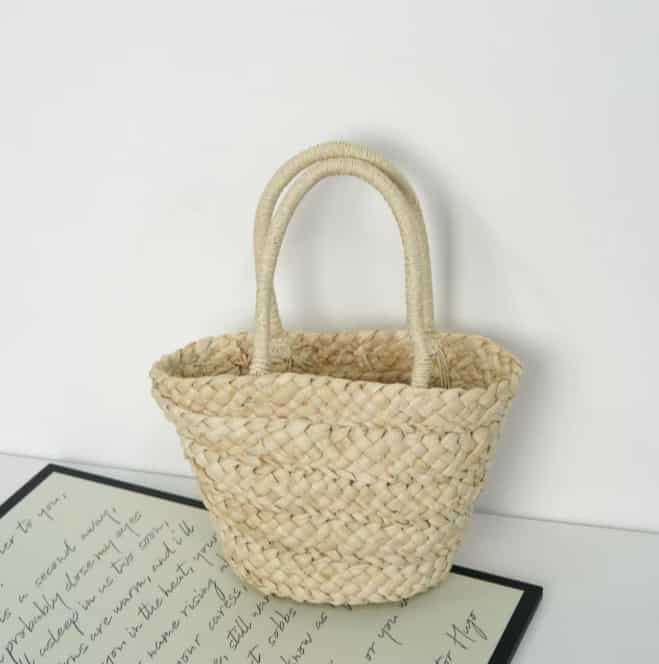
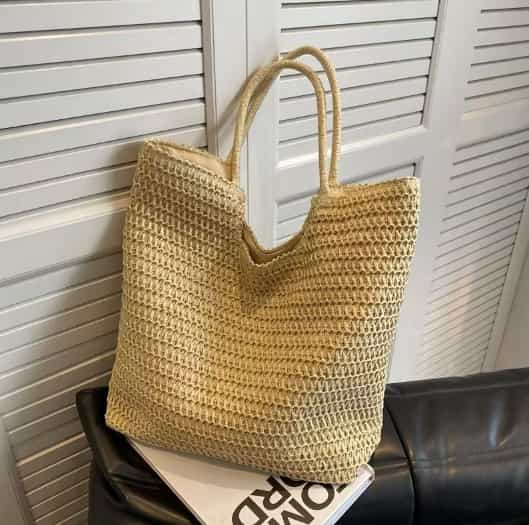
Most raffia bags look great on the outside. But turn one inside out, and the difference becomes obvious — some have a lining, some don’t. Some have zippers, some are open. Some use cotton, others use polyester.
When you’re ordering raffia bags with inner lining, you’re making a choice that affects cost, durability, and how your customers feel about the bag. Zipper closure? Cotton or polyester lining? Or no lining at all?
Here’s what you need to know before you decide.
Why Inner Lining Matters for Raffia Bags
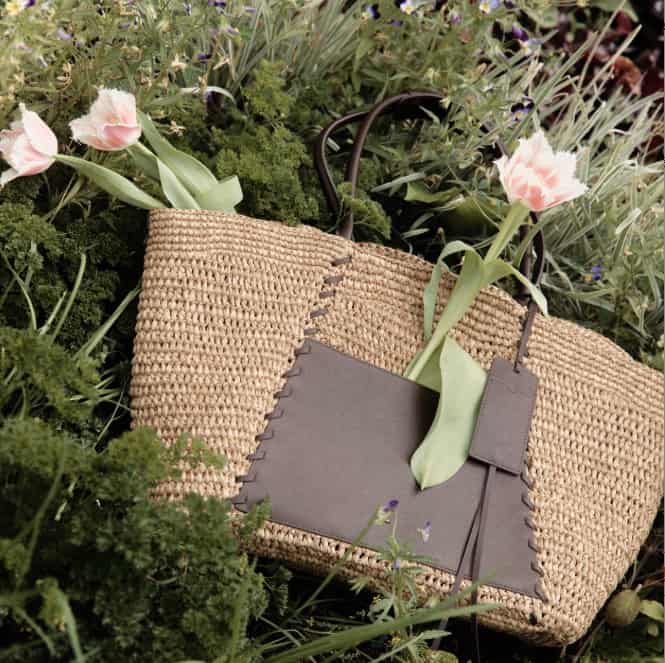
Raffia is a natural fiber. It’s lightweight, breathable, and biodegradable. But it also has gaps between the weaves — especially in handwoven bags.
Here’s why lining matters:
- It keeps small items from falling through – Keys, coins, lip balm. Without a lining, they can slip right through the gaps.
- It adds structure – A lined bag holds its shape better. Unlined raffia can sag or stretch over time.
- It protects the bag – The lining takes the wear from your stuff. It’s easier to clean a lining than to clean raffia.
- It feels more premium – Customers notice the difference. A lined bag feels like a real handbag, not just a beach bag.
Zipper Closures – Function and Security
Not every raffia bag has a zipper. Some are open totes, some use magnetic snaps. But zipper closures are becoming more common — and for good reason.
Why add a zipper:
- Security – Items won’t fall out
- Peace of mind – Customers feel safer carrying a zipped bag
- Premium feel – Zippers are associated with quality handbags
Zipper vs. Other Closures – Which One Should You Choose?
| Closure Type | Pros | Cons |
| Zipper | Secure, premium feel | Higher cost, hardware can fail |
| Magnetic snap | Easy to open/close | Less secure, can weaken |
| Open top | Cheap, easy access | No security |
| Clasp | Secure, stylish | Harder to open/close quickly |
The rule: Match the closure to the bag’s purpose and price point. If you’re unsure, go with a zipper. It never hurts sales.
Open vs. Zippered – Which One Actually Sells Better?
Here’s a question I get from buyers all the time: “Do customers actually care if it has a zipper? Or am I just adding cost for no reason?”
The answer depends on who you’re selling to.
What the data shows:
- Premium bags – Zipper closures are almost expected. Customers want security and a “real handbag” feel.
- Mid-range bags – Zipper is a nice-to-have. Magnetic snaps are acceptable.
- Entry-level bags – Zipper is less important. Customers care more about the look than the closure.
What sells best by category:
| Bag Category | Best Closure | Why |
| Work/commute bags | Zipper | Security matters when you’re on public transport |
| Travel crossbodies | Zipper | Customers want to keep passports and phones safe |
| Beach totes | Open or magnetic | Sand is easier to shake out, fast access for sunscreen |
| Evening clutches | Clasp or zipper | Secure but stylish |
| Grocery/market bags | Open | Quick access, no need for security |
| Boho/casual shoulder bags | Magnetic or open | The relaxed look matches the relaxed closure |
The bottom line: A zipper won’t hurt your sales — but it might help. For most mid-range and premium bags, it’s worth the extra cost.
How to Test Zipper Quality Before Placing a Bulk Order
A zipper might look fine on a sample, but looks can be deceiving. Here’s how to test it properly.
The 20-test rule: Open and close the zipper 20 times in a row. If it catches, sticks, or feels rough even once, it’ll fail with your customers.
What to check during testing:
| Test | What to Look For | Red Flag |
|---|---|---|
| Smoothness | Glides easily without catching | Feels rough or stops mid-way |
| Alignment | Teeth meet evenly | Crooked or misaligned |
| Tension test | Holds when pulled apart | Teeth separate under light pressure |
| Zipper pull | Sturdy, comfortable to grip | Flimsy, sharp edges |
| Stitching | Tight, secure attachment | Loose threads, gaps |
Brand matters:
- YKK – The gold standard. Reliable, lasts years.
- SBS – Acceptable Chinese brand. Better than no-name.
Pro tip: Ask your supplier to send a short video of the zipper being opened and closed 10–15 times on a sample bag. If they hesitate, that’s a warning sign.
The bottom line: A bad zipper ruins a good bag. Test before you commit — and choose YKK or SBS whenever possible.
Cotton Lining – The Premium Choice
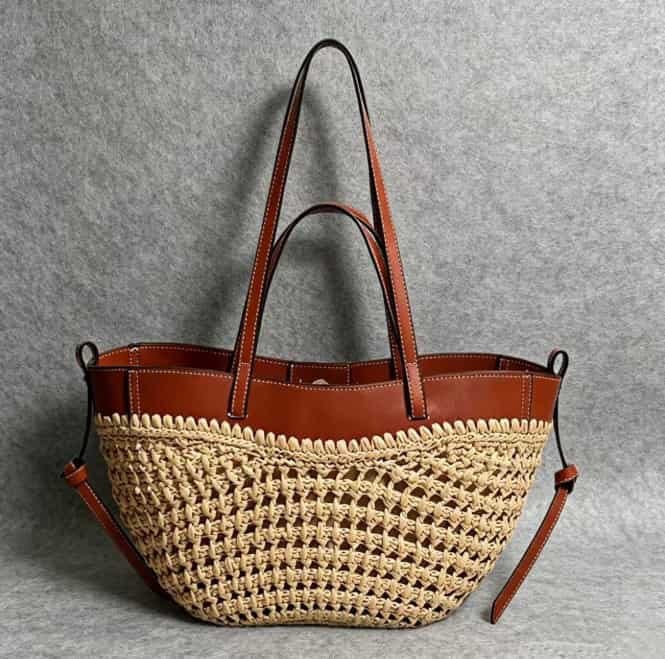
Cotton is the most common lining material you’ll see in mid-range and premium raffia bags.
Why cotton works:
- Breathable – Cotton lets air circulate. No trapped moisture, no musty smells.
- Soft feel – It feels nice against your hand when you reach inside the bag.
- Natural – It matches the eco-friendly story of raffia.
- Durable – Good cotton lining lasts.
What it costs: Cotton is more expensive than polyester. But for a premium-priced bag, it’s worth it.
Where cotton works best:
| Bag Type | Recommendation |
| Premium tote | Cotton lining |
| Shoulder bag | Cotton lining |
| Clutch or crossbody | Cotton or cotton-blend |
| Beach bag | Cotton or no lining |
The bottom line: Choose cotton if you’re selling a premium bag. It justifies a higher price and matches the natural story.
Cotton Lining Color – Does It Matter?
You might think lining color is a minor detail. But it’s not.
A bright or contrasting lining can make a bag feel more premium and intentional. A plain white or beige lining feels basic.
What brands are doing:
- Desigual uses printed cotton linings that match their vibrant brand aesthetic — the lining becomes part of the design
- PINKO uses neutral cotton linings that complement their raffia bags, keeping the focus on the exterior
- Tory Burch uses a microfiber suede-like lining in a neutral shade, adding a touch of luxury
Your options:
| Lining Color Strategy | Best For | Examples |
| Neutral (beige, cream, tan) | Classic, timeless bags — works with any exterior color | PINKO, minimalist brands |
| Contrast (bright, patterned) | Fashion-forward, statement bags | Desigual, younger brands |
| Matching exterior | Cohesive, subtle look | Premium luxury brands |
| Dark (black, navy) | Practical — hides dirt, wears well | Everyday bags, travel bags |
The practical side:
- Light colors – Show dirt more easily. Customers notice.
- Dark colors – Hide wear and stains. More practical for everyday use.
- Patterned – Can hide stains and add visual interest.
Pro tip: If you’re selling to a general audience, neutral cotton lining is the safest bet. If you’re targeting fashion-forward customers, a pop of color or pattern can help justify a higher price.
The bottom line: Lining color is a small detail that makes a big impression. Use it to reinforce your brand identity — not just as an afterthought.
How Cotton Lining Affects Customer Perception
Here’s something interesting: customers don’t read the tag to check what the lining is made of. But they feel it. And that feeling directly affects how they perceive the bag’s quality.
What customers notice without realizing it:
- The sound – Cotton is quiet. Polyester can be crinkly or static-y.
- The feel – Cotton is warm and soft. Polyester is smooth but can feel “synthetic.”
- The weight – A cotton-lined bag feels more substantial. Not heavier — just more “like a real bag.”
What this means for your brand:
| Customer Experience | Cotton Lining | Polyester Lining |
| First touch | Feels premium, natural | Feels smooth, sometimes cheap |
| Reaching inside | Soft, comfortable | Slippery, static-y |
| Perceived value | Justifies higher price | Feels like a budget bag |
| Sustainability impression | Aligns with eco-friendly message | Contradicts it |
The takeaway: Customers may not know why they like one bag more than another. But their hands know the difference. Cotton lining makes a bag feel more expensive — even if the price tag is the same.
The bottom line: The lining isn’t just a functional detail. It’s a signal of quality. Cotton signals “premium.” Polyester signals “affordable.” Choose based on the message you want to send.
How Cotton Lining Affects Perceived Value
The lining material directly influences how customers perceive the bag’s quality — even if they don’t consciously notice it.
What customers feel without realizing it:
| Customer Experience | Cotton Lining | Polyester Lining |
|---|---|---|
| First touch inside | Soft, warm, natural | Smooth, sometimes slippery |
| Sound | Quiet, muted | Sometimes crinkly |
| Weight feel | Substantial but not heavy | Lighter, less “premium” |
| Temperature | Comfortable, breathable | Can feel warm or static-y |
| Overall impression | “This feels expensive” | “This feels practical” |
The psychology of lining:
| Lining Type | Customer Perception | Price They’ll Accept |
|---|---|---|
| Cotton | Premium, natural, worth the price | $100+ |
| Polyester | Practical, budget-friendly | $40–80 |
| No lining | Casual, beach-only | Under $40 |
What this means for your brand:
- Cotton lining helps justify higher prices
- Polyester lining signals affordability
- The lining is a signal of quality — choose it intentionally
The bottom line: Customers feel the difference before they read the tag. Cotton lining signals quality and justifies higher prices. If you’re selling premium, cotton is worth the investment.
Polyester Lining – The Affordable Option
Polyester is the budget-friendly alternative to cotton. It’s cheaper, more durable, and easier to clean — but less breathable and less eco-friendly.
Why polyester is common:
- Cost-effective – Polyester is much cheaper than cotton.
- Durable – It’s strong and resists wear.
- Easy to clean – Wipe it down with a damp cloth.
- Lightweight – Adds very little weight to the bag.
What it costs: Less. You’ll see polyester lining in entry-level and mid-range bags.
Where polyester works:
- Entry-level bags
- Mass-market brands
- Beach and casual bags
- Budget-conscious customers
The bottom line: Polyester is fine for affordable bags. But if you’re charging a premium, cotton feels better and matches the natural stor
Polyester vs. Cotton – The Real Cost Difference
You already know polyester is cheaper. But let’s look at the numbers and where the difference actually comes from.
The cost difference isn’t just about the fabric.
| Cost Component | Cotton Lining | Polyester Lining | Why |
| Fabric material | $1.00–2.00 per bag | $0.30–0.60 per bag | Polyester is cheaper to produce |
| Sewing time | Similar | Similar | Both take about the same time to sew |
| Waste | Similar | Similar | Lining cutting patterns are the same |
| Shipping weight | Slightly heavier | Lighter | Polyester is lighter by weight |
| Total cost difference per bag | Higher by $1–2 | Lower by $1–2 |
The decision rule: If you can afford the extra $1–2, cotton is worth it. If every dollar counts, polyester still gets the job done.
Is Polyester More Practical Than Cotton?
Here’s something cotton can’t do as well: polyester handles the rough stuff better.
Raffia bags with polyester lining are easier to maintain. A quick wipe with a damp cloth and any stain is gone. Cotton requires more careful spot-cleaning or dry-cleaning.
Where polyester outperforms cotton:
- Water resistance – Polyester doesn’t absorb moisture. Cotton does.
- Stain resistance – Wipe it clean. Cotton stains easily.
- Shape retention – Polyester holds its structure longer.
- Fade resistance – Polyester keeps color longer than cotton.
What this means for your customers:
| Customer Scenario | Polyester Advantage |
| Carries a water bottle | Spills wipe clean — no stain |
| Takes bag to beach | Sand shakes out easily |
| Uses it daily | Doesn’t absorb oils from hands |
| Travels with it | Dries faster if it gets wet |
The bottom line: Polyester is more practical than cotton. It’s not as premium, but it’s harder to ruin. That’s why mass-market brands like Next and Accessorize use it.
How to Clean and Maintain Different Linings
Customers will ask: “How do I clean this bag?” The lining material affects the answer.
Cleaning guide for each lining type:
| Lining Type | How to Clean | What to Avoid |
|---|---|---|
| Cotton | Spot clean with mild soap and water. Air dry completely. | Don’t soak or machine wash — it can shrink or lose shape |
| Polyester | Wipe clean with a damp cloth. Dries quickly. | Avoid high heat — can melt or warp |
| No lining | Shake out sand and dust. Spot clean raffia with a damp cloth. | Don’t get the raffia too wet |
What to tell your customers:
| Customer Question | Your Answer |
|---|---|
| “How do I clean the inside?” | “Spot clean with a damp cloth. For cotton lining, use mild soap. For polyester, just wipe it down.” |
| “Can I machine wash it?” | “No — machine washing will damage the raffia. Spot clean only.” |
| “What if I spill something inside?” | “Wipe it immediately. Let it air dry completely before using again.” |
| “How do I remove stains?” | “Use a mild soap and a soft cloth. Gently dab — don’t scrub.” |
Pro tip: Include a small care card with each bag. It reduces returns and builds trust with your customers.
The bottom line: Lining material affects not just the feel of the bag, but how easy it is to clean. Choose lining based on how your customers will use the bag. If they’re likely to get it dirty, polyester is more practical. If they care about luxury feel, cotton is worth the extra care.
Choosing the Right Combination for Your Brand
Here’s a quick guide to help you decide.
| Customer Segment | Lining | Closure | Why |
| Premium/luxury | Cotton | Zipper | Feels premium, supports higher price |
| Mid-range | Cotton or cotton-blend | Zipper or magnetic | Good balance of quality and cost |
| Entry-level | Polyester | Magnetic or open | Affordable, gets the job done |
| Beach/casual | None or polyester | Open or magnetic | Lightweight, fast access |
Your ordering checklist:
- What’s your target price point? – Cotton costs more. Polyester costs less.
- What’s your brand positioning? – Premium = cotton. Mass market = polyester.
- Does the bag need to be secure? – Zipper if yes. Open top if no.
- What’s your customer expecting? – Check what your competitors are doing.
How to Test Your Lining and Closure Combination Before Ordering
Before you place a bulk order, test your chosen combination on a sample. Here’s what to check.
What to test on your sample:
| What to Test | What to Look For | Pass | Fail |
|---|---|---|---|
| Lining attachment | Lining is sewn in at top and bottom | Stays in place, no bunching | Loose, sagging, bunched |
| Lining material | Feels comfortable and matches your brand positioning | Feels premium (cotton) or practical (polyester) | Rough, cheap, or unpleasant |
| Zipper or closure | Opens and closes smoothly, stays secure | Smooth, no catching | Catches, feels rough |
| Lining fit | Fits snugly inside the bag | 5–10% smaller than the bag | Too big, sags, wrinkles |
| Overall feel | The bag feels like it’s worth your price point | Feels premium or practical — as expected | Feels cheaper than expected |
The bottom line: Your sample is the only chance to test your combination before bulk production. Don’t skip it. Test everything — lining, closure, and overall feel — before you commit to a large order.
How to Align Lining Choices with Your Brand Identity
Your lining choice should reflect your brand identity. Here’s how to match them.
Lining and brand alignment:
| Brand Identity | Recommended Lining | Why |
|---|---|---|
| Sustainable/Eco-friendly | Cotton or recycled polyester | Aligns with your values |
| Premium/Luxury | Cotton with leather trim | Signals quality |
| Budget/Casual | Polyester or no lining | Keeps costs down |
| Fashion-forward | Patterned or colored cotton lining | Adds visual interest |
| Practical/Functional | Polyester (easy to clean) | Matches customer expectations |
What your lining says about your brand:
| Lining Choice | What It Says | What Customers Think |
|---|---|---|
| Cotton | “We care about quality and sustainability” | “This is a premium brand” |
| Polyester | “We offer value and durability” | “This is practical and affordable” |
| No lining | “We’re casual and laid-back” | “This is beachwear” |
| Colored or patterned | “We pay attention to details” | “This is a fashion brand” |
The bottom line: Your lining choice is not just functional — it’s a reflection of your brand. Choose lining that aligns with your brand identity and what your customers expect. If you’re a sustainable brand, cotton reinforces your message. If you’re budget-friendly, polyester matches your positioning.
How to Communicate Lining Choices to Your Customers
Your customers may not understand why lining material matters. Here’s how to explain it — and turn it into a selling point.
What to tell your customers:
| Customer Concern | How to Address It |
|---|---|
| “Why does the lining matter?” | “It keeps small items from falling through, adds structure, and protects the bag.” |
| “What’s the difference between cotton and polyester?” | “Cotton is breathable, natural, and biodegradable. Polyester is durable, easy to clean, and more affordable.” |
| “Which one should I choose?” | “If you want a premium feel, go with cotton. If you’re looking for value and durability, polyester works well.” |
| “Does the color of the lining matter?” | “A neutral lining goes with everything. A pop of color or pattern can make the bag feel more special.” |
Where to share this information:
- Product page – Include a section on lining material and why it matters
- Hang tag – “Cotton lining for a premium feel” or “Durable polyester lining”
- Social media – Compare cotton vs. polyester in a short video
- FAQ page – Answer common questions about lining materials
The bottom line: When customers understand the value of a good lining, they’re more willing to pay for it. Educate them on the difference and they’ll appreciate the quality.
How to Turn Lining Choices into a Selling Point
Lining isn’t just a functional detail — it’s a selling point. Here’s how to use it in your marketing.
How to market your lining choice:
| Lining Type | Marketing Angle | What to Say |
|---|---|---|
| Cotton | Natural, breathable, sustainable | “Made with 100% natural cotton lining — soft against your belongings, kind to the planet” |
| Polyester | Durable, easy to clean, practical | “Durable polyester lining — easy to wipe clean, built to last” |
| Colored/patterned cotton | Fashion-forward, attention to detail | “A pop of color inside — because we believe details matter” |
| No lining | Lightweight, casual, effortless | “Unlined for a lighter, more relaxed feel — perfect for sunny days” |
What to include on your product page:
| What to Include | Why It Works |
|---|---|
| Lining material | “100% cotton lining” — clear, specific |
| Why you chose it | “We chose cotton for its breathability and natural feel” |
| What it adds | “Keeps small items secure and adds structure to the bag” |
| How to clean it | “Spot clean with a damp cloth” — shows you care about longevity |
What to avoid:
| What to Avoid | Why |
|---|---|
| Vague descriptions like “premium lining” | Customers don’t know what that means |
| Not mentioning lining at all | Missed opportunity to differentiate |
| Overstating the benefits | Be honest — don’t oversell |
The bottom line: Lining is a selling point. Use it to differentiate your bag and justify your price. Be specific about what you chose and why — customers notice the details.
Wrapping it Up
Raffia bags with inner lining are the smarter choice for most brands. The lining adds structure, protection, and a premium feel that customers notice.
- Cotton lining is the best choice for premium bags. It’s breathable, natural, and feels high-end.
- Polyester lining works for affordable bags. It’s cheaper, durable, and easy to maintain.
- Zipper closures add security and a premium feel. They’re becoming standard in mid-range and premium bags.
Ready to source raffia bags with the right lining for your brand?
Contact Rafico Accessories for a custom raffia bag quote. We’ll help you choose the lining and closure that fits your price point and brand identity.