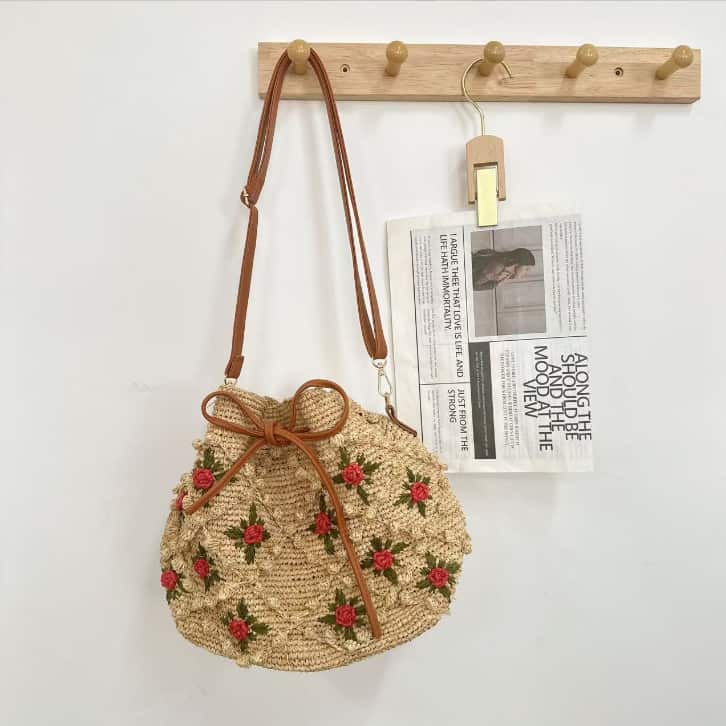
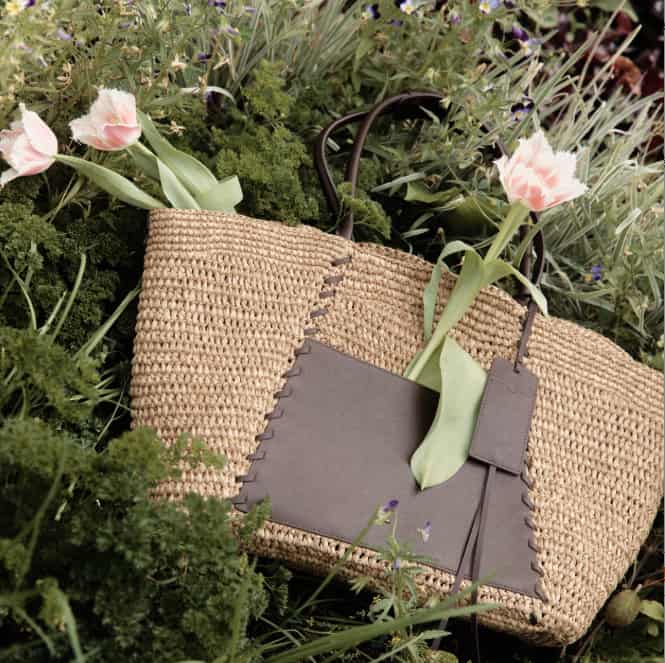
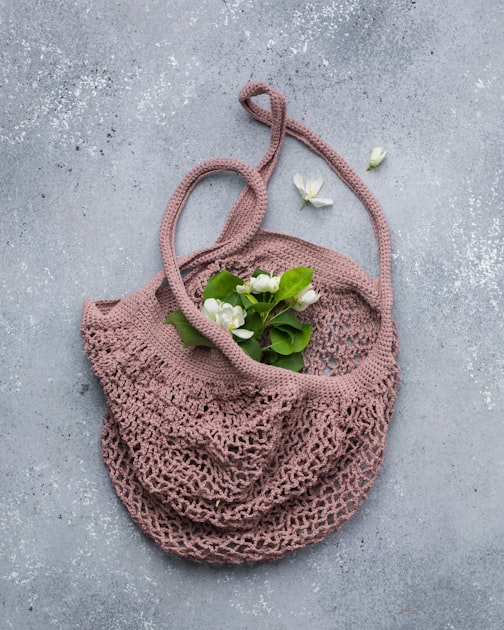
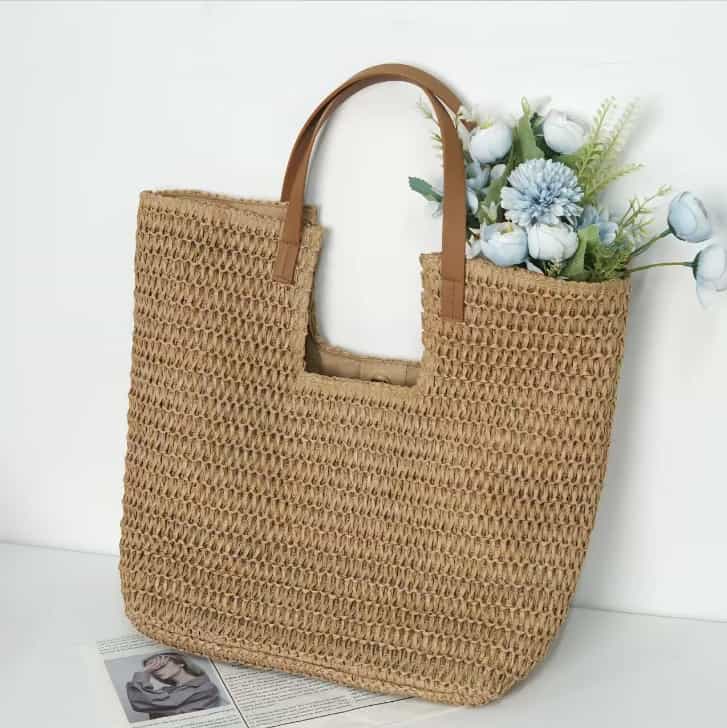
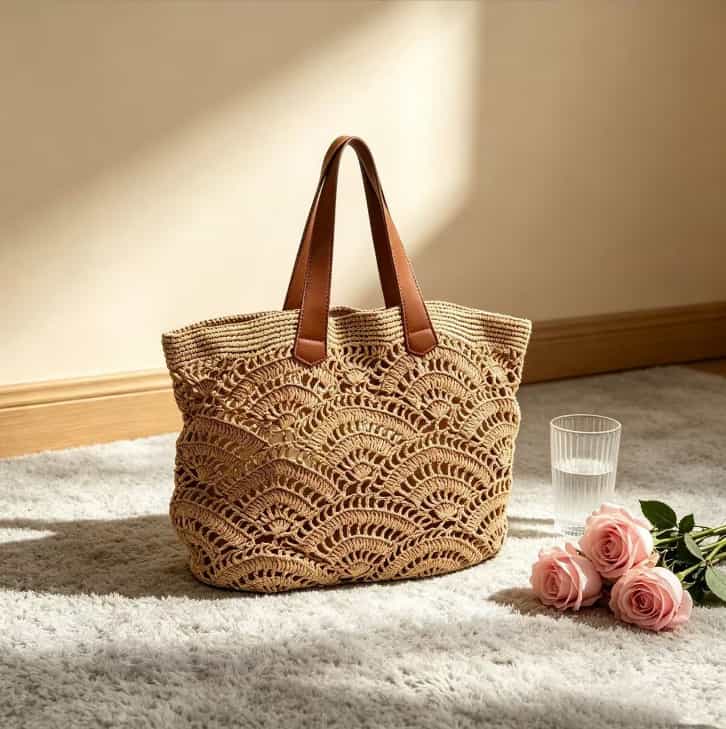
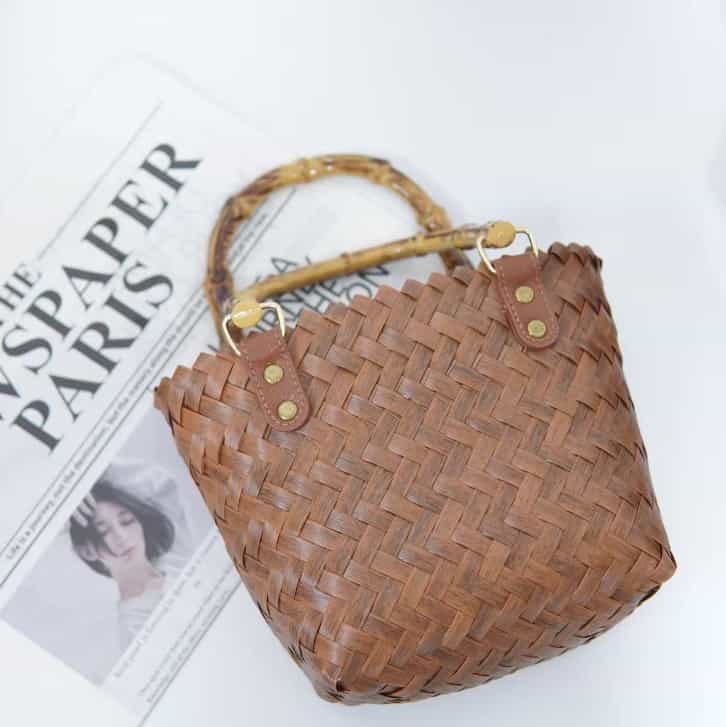
Here’s something that’s changed in the last couple of years. Raffia bags used to be strictly seasonal — you’d see them in summer and nowhere else.
Not anymore. Raffia has moved decisively beyond beach vacations . Fashion editors now describe pairing woven totes with wide-leg trousers, denim, and tailored pieces. The material has gone from “summer accessory” to “year-round staple.”
That’s good news for wholesale buyers. Longer selling seasons mean more opportunities to move inventory.
Let me walk you through the full raffia bag selling calendar — from spring to fall — and show you how to keep your inventory moving all year long.
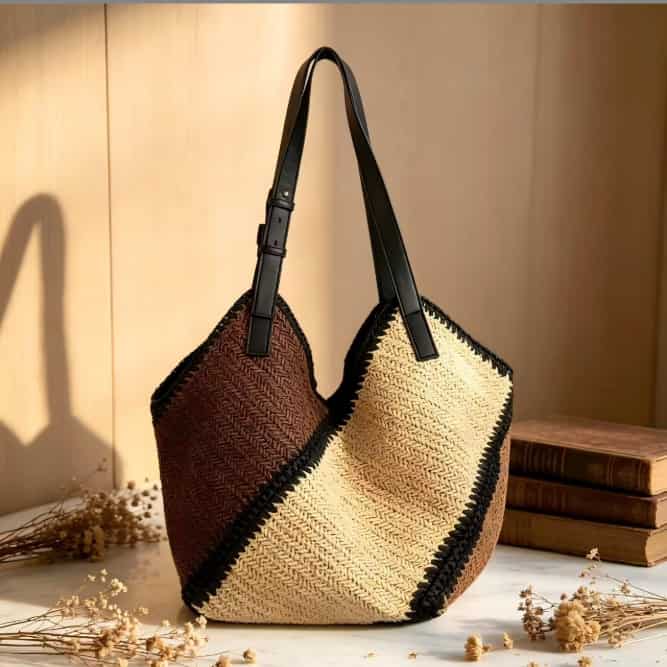
The Spring Runway to Summer Peak
The raffia season starts earlier than most buyers think.
Spring – The Launch Window
Raffia bags start appearing in stores and online around March to April, just as the weather warms up and shoppers start thinking about spring wardrobes. This is when fashion houses begin showcasing raffia in their seasonal collections.
What sells in spring:
- Neutral-toned totes in beige, sand, and honey
- Lightweight crossbodies for city commutes
- Smaller shoulder bags that transition from day to evening
Planning tip: Place your wholesale orders in January to February. Spring is when the category launches, and early stock sells fast. If you wait until summer, you’re playing catch-up.
Summer – The Peak Season
Summer is when raffia truly dominates — and 2026 has been no exception. Retail analysts now consider raffia handbags one of the strongest-selling accessory categories of the season. Raffia bags have become summer 2026’s most purchased fashion item.
The scale is bigger than previous years. More colorful and patterned options are joining the classic neutrals, expanding the appeal beyond traditional resort shoppers.
What sells in summer:
- Large beach totes and basket bags
- Crochet styles with intricate patterns
- Bucket bags and crossbodies for travel
- Bright colors and resort-ready designs
Planning tip: Have your summer stock fully available by May. The peak buying window runs from May through August. Early June is when you’ll see the highest traffic and fastest sell-through. If you’re still placing orders in June, you’ve missed the boat.
Summer’s Big Players
Luxury brands lead the raffia charge, and their influence trickles down to every price point. Loewe’s basket bag collection remains extensive, with structured cuboid mini totes made of handwoven Spanish raffia. Prada, Miu Miu, Chloé, Celine, and Saint Laurent all featured raffia prominently in their 2026 collections.
What this means for you: The “halo effect” is real. When luxury brands make raffia a priority, consumers at all price points want it. Your mid-range and affordable raffia bags benefit from this visibility without you having to do any extra marketing.
How Luxury Brands Shape the Raffia Trend
Here’s something that works in your favor without you spending a dime: the luxury halo effect.
When high-end brands feature raffia prominently, they legitimize the material for everyone else. Loewe’s basket bag collection remains extensive, with structured cuboid mini totes made of handwoven Spanish raffia. Prada, Miu Miu, Chloé, Celine, and Saint Laurent all featured raffia prominently in their 2026 collections.
What this means for wholesale buyers:
| What Luxury Brands Do | Effect on Your Business |
| Put raffia on the runway | Validates the material as “fashion,” not just “beach” |
| Charge $1,000–2,000+ | Makes your $80–200 raffia bag look like a steal |
| Use raffia across multiple collections | Creates year-round demand, not just summer |
| Feature artisan-made raffia | Supports the “handcrafted” story you can tell |
Here’s the thing: You don’t need to compete with luxury brands. You benefit from their marketing. When they spend millions normalizing raffia, you get customers walking into your store already wanting it.
Pro tip: Pay attention to what the big names are showing. If Loewe leads with a new raffia silhouette, expect demand for that style to follow 6–12 months later at mid-range price points. Use this lead time to plan your orders.
What Retailers Are Actually Seeing
Let’s get specific about what “peak season” means in real sales data.
The key numbers for 2026:
- Raffia handbags have been one of the strongest-selling accessory categories of the season
- Raffia bags have become summer 2026’s most purchased fashion item
- The scale is bigger than previous years — more colorful and patterned options joining classic neutrals
- The buying window has expanded: peak traffic starts in May and extends through August
What this means for your ordering:
| Time Period | Buyer Action | Why |
| January–March | Place your primary wholesale orders | Suppliers get booked up. Early orders = better pricing and more options |
| April–May | Have stock ready and visible | Early birds are already shopping. Don’t miss them. |
| June–July | Monitor sell-through and reorder fast | This is when the highest volume moves. If something’s selling, don’t wait. |
| August | Start planning fall transition | Summer stock starts slowing. Get ready for transitional styles. |
The data tells us: Summer’s peak starts before most buyers think it does. If you’re ordering in May, you’re already late. The winning move is to have your best summer styles available by mid-May at the latest.
One more thing: Patterns and colors are expanding. Neutral will always sell — but adding 2–3 patterned or brightly colored styles can increase your sell-through by attracting shoppers looking for something different.
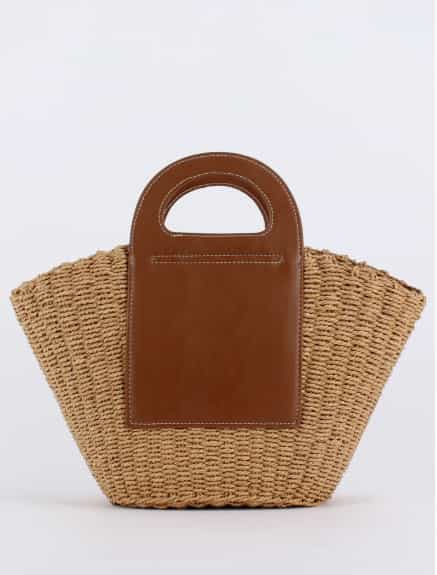
Beyond the Beach – Why Raffia Sells Year-Round
The old stereotype — raffia is only for the beach — is officially dead.
The City Dresser Shift
Raffia bags have moved decisively beyond vacation accessories. Fashion editors now describe pairing woven totes with relaxed trousers, denim, and tailored pieces — a combination one publication called “the new casual streetwear style uniform” for spring and summer.
What this means: Your customers are buying raffia for work and city life, not just vacations. That extends the buying window and increases the total addressable market.
The Versatility Factor
One reason raffia has broken its seasonal limits: it works in so many contexts. Sun, sand, city streets, office commutes, weekend brunches, evening events.
Styles that work across seasons:
| Style | Spring | Summer | Fall | Why It Works |
| Neutral tote | Yes | Yes | Yes | Classic, goes with everything |
| Structured bag | Yes | Yes | Yes | Professional enough for office |
| Crossbody | Yes | Yes | Yes | Practical, hands-free, any setting |
| Bright crop top | Maybe | Yes | No | Too seasonal for fall |
| Oversized beach bag | No | Yes | No | Clearly just for beach |
How to Market Raffia Bags for Year-Round Sales
The key to selling raffia bags beyond summer is changing how customers see them. Here’s how to position them for year-round appeal.
Marketing strategies for each season:
| Season | Marketing Angle | What to Emphasize |
|---|---|---|
| Spring | Fresh start, new season | Natural textures, light fabrics, transitioning from winter |
| Summer | Beach, vacation, sunshine | Lightweight, breathable, summer styling |
| Fall | Layering, earthy tones | Darker raffia colors, leather trims, structured shapes |
| Winter | Holiday gifting, vacation planning | Mini bags, clutches, warm-weather escape |
Year-round marketing messages that work:
- “Raffia adds texture to any outfit — not just summer dresses.”
- “The structured raffia tote: office-ready, weekend-ready, vacation-ready.”
- “One bag, four seasons. Here’s how to style it.”
Visual strategies:
- Show raffia bags styled with denim and blazers (not just sundresses)
- Use darker backgrounds for fall/winter imagery
- Feature the bag in city settings, not just beaches
The bottom line: Your customers need to see raffia bags as versatile, not seasonal. Change how you show them, and you’ll extend your selling window.
The Best-Selling Raffia Bag Styles for Every Season
Not all raffia styles sell equally well year-round. Here’s what moves in each season.
Seasonal style breakdown:
| Season | Best-Selling Styles | Why |
|---|---|---|
| Spring | Crossbody, mini bags, neutral totes | Transitional, easy to style with spring layers |
| Summer | Large totes, crochet bags, bucket bags | Beach-ready, roomy, light |
| Fall | Structured totes, shoulder bags with leather trim | Feels substantial, works with layers |
| Winter/Gifting | Clutches, mini bags, gift sets | Affordable, giftable, holiday appeal |
What’s trending in 2026:
- Structured shapes – The Row’s Alma shoulder bag, with a tighter weave, is more refined than beach-bag styles and feels substantial enough for office-wear or city use.
- Versatile silhouettes – The ability to seamlessly transition from beach to city is one of the bag’s biggest selling points.
- Polished finishes – 2026 raffia bags have “stronger shapes, leather trim, clean handles, or a more refined finish” compared to the classic beach basket.
What to stock year-round:
- Structured totes (neutral colors, leather handles)
- Crossbody bags (small to medium, adjustable straps)
- Mini bags and clutches (giftable, affordable)
- Neutral colors (beige, brown, black) over bright summer shades
The bottom line: Stock versatile styles in neutral colors that work across seasons. Save bright colors and large totes for summer. The most successful raffia bag brands are extending their collection calendars to include fall and winter styles.
How to Plan Your Raffia Inventory Around the Seasons
Here’s a simple framework for planning your wholesale orders throughout the year.
The Full Year Calendar
| Months | Season | What to Order | Why |
| January–February | Pre-spring | Neutral totes, crossbodies, structured styles | Get ahead of spring launch |
| March–April | Spring | Bright colors, smaller bags, resort styles | Start the season strong |
| May–June | Early peak | Beach totes, crop tops, bright colors, crochet | Peak demand, top up stock |
| July–August | Peak | All summer styles, reorder what’s selling | High volume, quick sell-through |
| September–October | Fall transition | Darker colors, leather trims, structured | Extend the season, avoid clearance |
| November–December | Winter planning | Review data, place early orders, test suppliers | Prepare for next year |
Seasonal Ordering Tips
- Place large orders early – China-based suppliers have peak production cycles. If you need volume for summer, order by March at the latest.
- Test new styles with small orders – Suppliers offering MOQs as low as 2–10 pieces let you test designs before committing.
- Monitor performance – For popular styles, keep reordering during the peak window. Sell-through often accelerates in June and July.
- Plan for late-season sales – August and September are when many retailers discount summer stock. If you plan your inventory right, you can avoid being part of that clearance rush.
Extended Season Opportunities
- Holiday/gifting – Raffia bags in mini or clutch sizes make great gifts. They’re affordable, giftable, and feel special.
Event-driven spikes – Weddings, summer vacations, destination events all drive raffia bag sales. These aren’t strictly seasonal — they happen throughout the year.
How to Avoid Overstocking and Markdowns
Overstocking raffia bags can eat into your profits. Here’s how to keep inventory levels smart.
Common causes of overstocking:
| Cause | Why It Happens | How to Avoid |
|---|---|---|
| Over-optimistic forecasts | You ordered too much based on hype | Start with smaller test orders |
| Late delivery | Bags arrived after the seasonal peak | Build buffer time into your lead time |
| Wrong styles | You picked styles that didn’t sell | Test styles with small batches first |
| No reorder system | You didn’t monitor sell-through | Track sales weekly and reorder fast |
How to avoid markdowns:
- Monitor sell-through rates weekly – If a style isn’t moving, don’t reorder it
- Start with small test orders – 100–200 pieces per style is enough to test demand
- Reorder based on data, not gut feeling – Only reorder styles that sell through quickly
- Plan for seasonal clearance – Set aside a budget for end-of-season discounts
- Use bundles to clear slow movers – Pair slow styles with best-sellers as a set
The bottom line: Overstocking is expensive. Test small, track sales, and reorder only what sells. A few unsold bags are better than hundreds sitting in your warehouse.
How to Reorder Fast and Keep Your Best Sellers in Stock
When a style is selling, you need to reorder fast. Here’s how to keep your top performers in stock.
The 10-day reorder rule:
| Action | Why It Matters |
|---|---|
| Track sales daily | Know what’s selling before it runs out |
| Set reorder triggers | Reorder when stock drops below 30% of your initial order |
| Have a fast reorder supplier | Work with suppliers that offer 15–25 day turnaround |
| Order the same quantity or slightly more | If it sold out fast, increase your next order by 30–50% |
Best practices for reorders:
- Keep a reorder template – Save the specs so you can reorder instantly
- Build a relationship with your supplier – They’ll prioritize your reorders
- Negotiate faster reorder lead time – Ask if they can expedite repeat orders
- Monitor seasonal patterns – Reorder early if you see demand building
The bottom line: The difference between a good season and a great one is keeping your best sellers in stock. Track sales, reorder fast, and work with a supplier who can deliver quickly.
Winter – The Planning Season
While shoppers aren’t buying raffia in December and January, smart buyers are doing something else — planning ahead. The best spring styles get booked early, and suppliers get busy starting in February. If you wait until March to place your spring order, you’ll have fewer options and potentially longer lead times.
What to do in winter (November–February):
- Review last year’s performance – Which styles sold best? Which colors? Which sizes? Use the data to guide your ordering decisions.
- Research upcoming trends – What are luxury brands showing? What’s being featured in trend forecasts? Feed that into your order planning.
- Place early orders – Getting your spring stock ordered in January/February means you’ll have inventory ready when shoppers start looking in March.
- Test new suppliers – Winter is a good time to order samples from potential new suppliers. You’ll have time to evaluate quality before the busy season starts.
- Plan your fall transition pieces – Order transitional styles (darker colors, leather trims, structured shapes) early so they’re ready for September.
How winter ordering gives you an advantage:
| What You Do in Winter | How It Pays Off |
|---|---|
| Review last year’s data | You order only what sells |
| Research trends | You stock fresh styles customers want |
| Place early orders | You get better pricing and options |
| Test new suppliers | You have backup options ready |
| Plan fall transition | You extend your selling season |
The bottom line: Winter is the quiet before the storm. Use it to plan, order, and prepare — so when spring hits, you’re ready.
What to Do in Winter – A Buyer’s Checklist
Winter is the quiet season for selling, but it’s the busiest season for planning. Here’s a checklist to keep you on track.
Winter planning checklist:
- Review last year’s performance – Which styles sold best? Which colors? Which sizes? Use the data.
- Research upcoming trends – What are luxury brands showing? What’s being featured in trend forecasts?
- Place early orders – Get your spring stock ordered in January/February.
- Test new suppliers – Order samples from potential new suppliers while you have time.
- Plan fall transition pieces – Order darker colors, leather trims, structured shapes early.
- Set reorder triggers – Know when to reorder based on sell-through rates.
- Negotiate pricing – Early orders often get better rates.
Why winter planning pays off:
| Action | How It Pays Off |
|---|---|
| Review last year’s data | You order only what sells |
| Research trends | You stock fresh styles customers want |
| Place early orders | You get better pricing and options |
| Test new suppliers | You have backup options ready |
| Plan fall transition | You extend your selling season |
The bottom line: Winter is the quiet before the storm. Use it to plan, order, and prepare — so when spring hits, you’re ready.
How to Use Winter to Test New Products and Suppliers
Winter is the best time to test new styles and suppliers without the pressure of peak season.
What to test in winter:
| What to Test | Why Winter Is the Right Time |
|---|---|
| New styles | You have time to order samples and make adjustments |
| New colors | You can test how they look in natural light |
| New suppliers | You have time to evaluate quality before peak season |
| New materials | You can test durability before committing to bulk |
| New price points | You can test customer response before scaling |
How to test effectively:
- Order small quantities – 50–100 pieces is enough to test demand
- Get feedback early – Show samples to trusted customers or test on social media
- Compare multiple suppliers – Test samples from 2–3 suppliers before committing
- Check quality thoroughly – Test handles, weave, lining, and hardware
- Document everything – Keep records of what you tested and the results
The bottom line: Winter is your testing ground. Use the slow season to try new things without the pressure of peak demand. What works can be scaled. What doesn’t can be dropped.
Key Retailer Mistakes to Avoid in Raffia Bag Selling
Even experienced retailers make mistakes when selling raffia bags. Here are the most common ones — and how to avoid them.
Top mistakes to avoid:
| Mistake | Why It Hurts | How to Avoid |
|---|---|---|
| Waiting too long to order | You miss the spring launch window | Order by January–February |
| Ordering only one style | You limit your customer base | Offer 3–5 styles across sizes |
| Sticking to one color | Not all customers want beige | Stock 2–3 colors (neutral + one accent) |
| Skipping quality checks | You get returns and complaints | Order samples, inspect bulk |
| Ignoring sell-through data | You reorder what didn’t sell | Track sales and reorder winners |
| No marketing plan | Bags sit on shelves | Plan launch content in advance |
Simple fixes that make a difference:
- Order a mix – Totes + crossbodies + one fashion style covers most customers
- Stock neutral + one color – Beige for the masses, terracotta or olive for trend-followers
- Order samples first – Always verify quality before bulk
- Track sales weekly – Know what sells and reorder fast
- Plan marketing early – Have photos and content ready before stock arrives
The bottom line: Most mistakes are avoidable. Plan ahead, order smart, track sales, and market early. Avoid these common pitfalls and you’ll see stronger sell-through and happier customers.
Planning Mistakes That Cost You Sales
Even small planning mistakes can cost you real money. Here are the most common ones and how to avoid them.
Mistakes to avoid:
| Mistake | Why It Hurts | How to Avoid |
|---|---|---|
| Waiting too long to order | You miss the spring launch window | Order by January–February |
| Ordering only one style | You limit your customer base | Offer 3–5 styles across sizes |
| Sticking to one color | Not all customers want beige | Stock 2–3 colors |
| Skipping samples | You get returns and complaints | Always order samples first |
| Ignoring data | You reorder what didn’t sell | Track sales and reorder winners |
| No marketing plan | Bags sit on shelves | Plan launch content in advance |
The simple fixes:
- Order a mix – totes + crossbodies + one fashion style
- Stock neutral + one accent color
- Always order samples before bulk
- Track sales weekly
- Plan marketing before stock arrives
The bottom line: Most mistakes are avoidable. Plan ahead, order smart, and track your sales. These simple fixes will save you money and headaches.
Marketing Mistakes That Kill Your Raffia Bag Sales
Even with the right products, poor marketing can hurt your sales. Here’s what to avoid.
Marketing mistakes to avoid:
| Mistake | Why It Hurts | How to Fix It |
|---|---|---|
| No lifestyle photos | Customers can’t imagine using the bag | Show it on the beach, in the city, at work |
| Generic descriptions | Your bag looks like everyone else’s | Tell the story behind the bag |
| Posting inconsistently | Customers forget about your brand | Post 3–4 times per week on social media |
| No email marketing | You miss repeat customers | Build an email list and send updates |
| Not using customer photos | You miss social proof | Share customer photos and reviews |
| Ignoring seasonal timing | You launch too late | Start marketing 4–6 weeks before peak season |
What works instead:
- Show the bag in real life – Beach, city, office, weekend — show customers how to use it
- Tell the story – “Handwoven by artisans” sells better than “Natural fiber bag”
- Post consistently – 3–4 posts per week keeps your brand top of mind
- Build an email list – Collect emails and send updates on new arrivals
- Share customer photos – Real customers wearing your bags builds trust
- Start early – Begin marketing 4–6 weeks before your stock arrives
The bottom line: Great products need great marketing. Show your bags in real life, tell the story, and start early. Customers can’t buy what they don’t see.
Quick Summary – The Raffia Sales Calendar
| Period | Priority | Action |
| Jan–Feb | Pre-season ordering | Place wholesale orders for spring |
| Mar–Apr | Spring launch | Stock neutral totes, crossbodies |
| May–Jun | Early summer peak | Top up stock, add bright colors |
| Jul–Aug | Summer peak | High-volume selling, monitor sell-through |
| Sep–Oct | Fall transition | Add darker colors, structured styles |
| Nov–Dec | Winter planning | Review data, place early orders, test suppliers |
Wrapping it Up
Raffia bags aren’t just summer beach bags anymore. They sell from spring to fall — and with the right planning, winter becomes the perfect time to prepare for the year ahead.
The key is knowing the calendar: spring for neutrals and launch, summer for color and volume, fall for transitional pieces that extend the season, and winter for planning and early ordering.
If you’re a wholesale buyer, raffia is a year-round opportunity. Plan your orders early, stock the right styles at the right time, and keep your shelves moving.
Ready to stock raffia bags for your store across every season?
Contact Rafico Accessories for a custom raffia bag quote or wholesale pricing. We’ll help you plan your inventory for the full year.