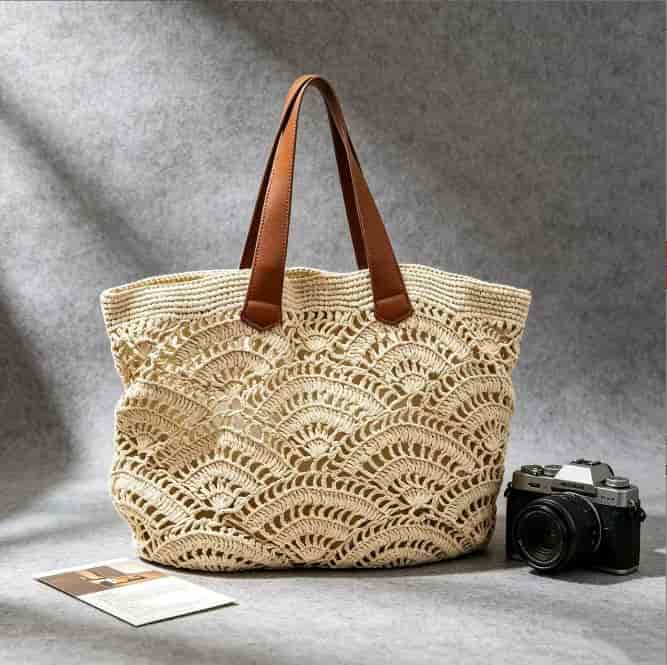
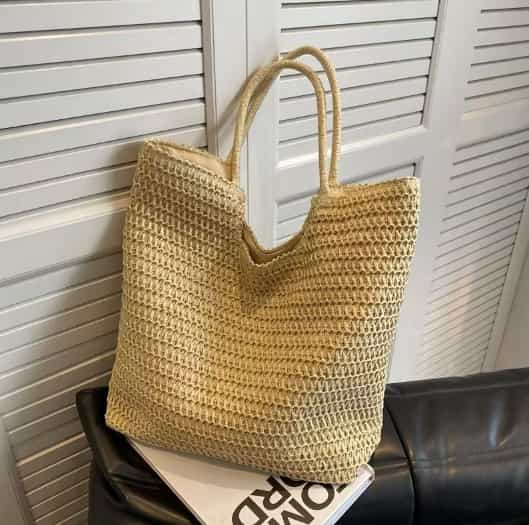
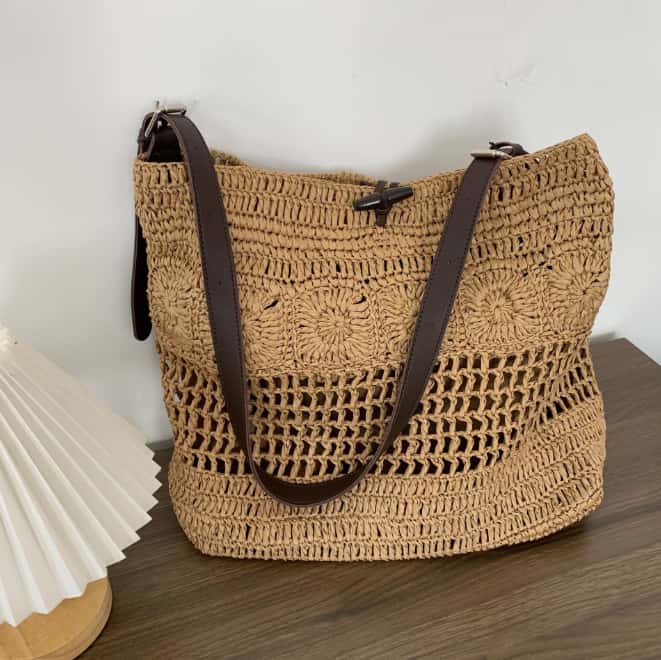
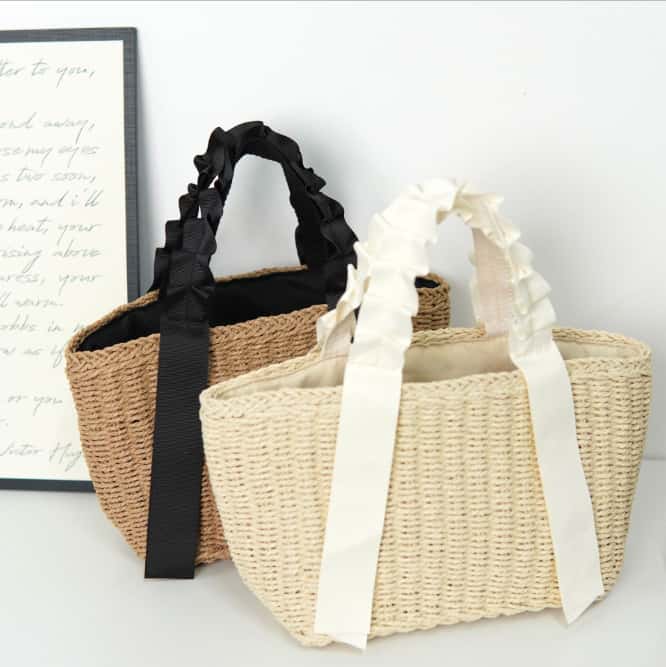
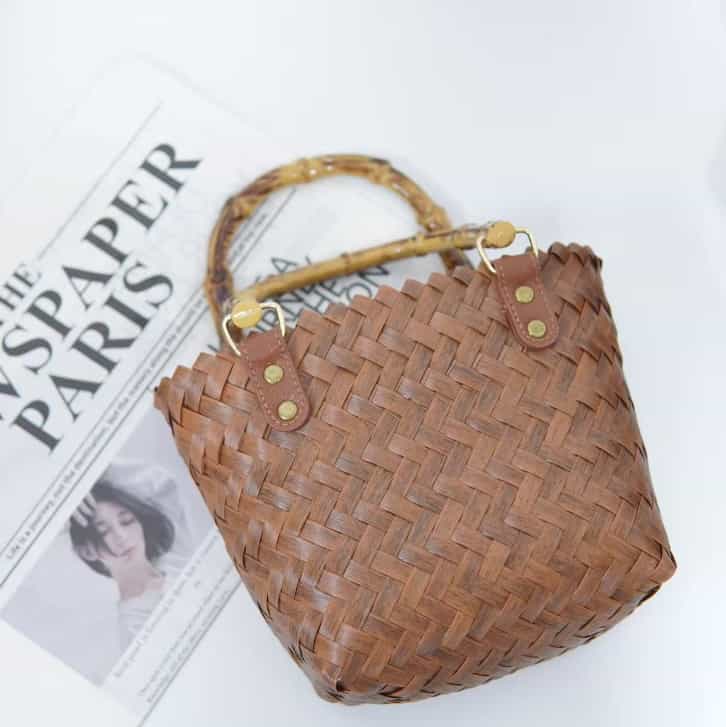
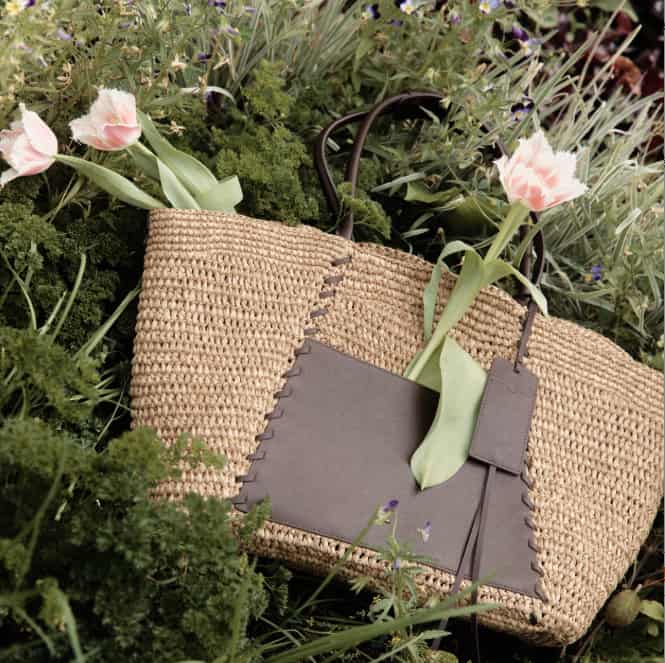
Let’s be honest — most raffia bags you see these days just roll off a production line. Hundreds at a time. But raffia bag craftsmanship? That’s a whole different thing. Here at Rafico Accessories, we see it every day. It’s a skill that turns plain old palm leaves into something you actually want to carry. Whether you need a raffia bag for summer, a raffia tote for running errands, or a handwoven raffia bag that’s got a real story behind it — this is nature meeting real know-how.
The Origin of Raffia: Nature’s Gift
where does raffia actually come from?
It starts with the Raffia palm tree. Grows mostly in tropical Africa — especially Madagascar. Someone harvests the leaves, strips them, and dries them in the sun. That’s it. No chemicals. No factories. Just sun and skill.
Unlike synthetic stuff, raffia fibers are 100% natural and biodegradable. That means raffia bags are a pretty solid choice if you actually care about what you buy. The texture? Kind of rustic, but still elegant. And each bag ends up looking a little different. That’s kind of the whole point.
How Raffia Is Harvested Sustainably
Raffia harvesting follows a sustainable technique that doesn’t harm or destroy any trees . This is what makes it truly eco-friendly.
The sustainable harvesting process:
| Step | What Happens | Why It’s Sustainable |
|---|---|---|
| Pruning | Leaves are carefully cut from the palm | The tree isn’t cut down – it keeps growing |
| Stripping | The outer layer is removed to reveal fibers | Uses every part of the leaf – no waste |
| Drying | Fibers are laid in the sun for 24 hours | No energy needed – just sunlight |
| Sorting | Fibers are graded by quality and color | Ensures only the best fibers are used |
Why this matters:
- No deforestation – the tree continues to live and produce leaves
- No energy-intensive processing – just sun-drying
- Supports local communities – artisans use traditional techniques
- Low water footprint – no irrigation needed
The bottom line: Raffia harvesting is one of the most sustainable processes in fashion. It doesn’t harm the tree, doesn’t use chemicals, and doesn’t require energy. The result is a natural fiber that’s genuinely good for the planet.
The Art of raffia Weaving: Step by Step
A Closer Look at the Weaving Process
Every raffia bag is the result of a carefully handcrafted process. Here’s a step-by-step breakdown of what goes into it.
| Stage | What Happens | Why It Matters |
|---|---|---|
| Preparation | Fibers are sorted by quality and color, sometimes dyed with natural pigments | Quality control starts before weaving begins |
| Weaving | Artisans coil or plait the fibers by hand — no machines involved | The time and skill invested give the bag its strength and character |
| Shaping | The woven piece is formed into a tote, clutch, or backpack | The artisan shapes the bag to its final silhouette |
| Finishing | Handles and linings are added by hand | Extra touches like cotton lining or leather handles improve durability |
The bottom line: Each stage of the process matters. The quality of the fiber, the skill of the weaving, and the care in finishing all determine how long the bag lasts.
What Sets Handwoven Raffia Apart
Handwoven raffia bags are different from machine-made products. Here’s how they compare:
| Factor | Handwoven Raffia | Machine-Made |
|---|---|---|
| Production time | Hours to days per bag | Minutes per bag |
| Skill level | Years of artisan training | Machine operation |
| Unique character | Each bag is slightly different | Identical copies |
| Construction | Hand-finished, reinforced stress points | Consistent but less reinforced |
| Durability | Often lasts longer with proper care | Varies by material quality |
Why handmade wins:
- Better durability – Artisans reinforce high-stress areas like handles and bottoms.
- Unique value – No two bags are exactly alike, making each one special.
- Artisan craftsmanship – A story is built into every bag — and customers notice.
The bottom line: The handwoven process is what makes raffia bags special. The time, skill, and care that go into each bag create a product that feels more like art than just another accessory. That uniqueness is a selling point — not something to hide.
What Tools Do Artisans Use to Weave Raffia Bags?
Raffia weaving is a craft that relies on traditional tools passed down through generations. Understanding these tools gives you a deeper appreciation for the craftsmanship.
Key tools used in raffia weaving:
| Tool | Purpose | Why It Matters |
|---|---|---|
| Weaving needle | Large, blunt needle used for coiling and plaiting | Allows artisans to work quickly and precisely without damaging fibers |
| Wooden forms | Templates used to shape the bag during weaving | Ensures consistent shape across bags while maintaining the handmade feel |
| Fiber comb | Used to separate and align raffia strands | Creates even, uniform fibers before weaving begins |
| Measuring gauge | Ensures consistent strap and handle lengths | Maintains quality and symmetry across production |
Traditional techniques still used today:
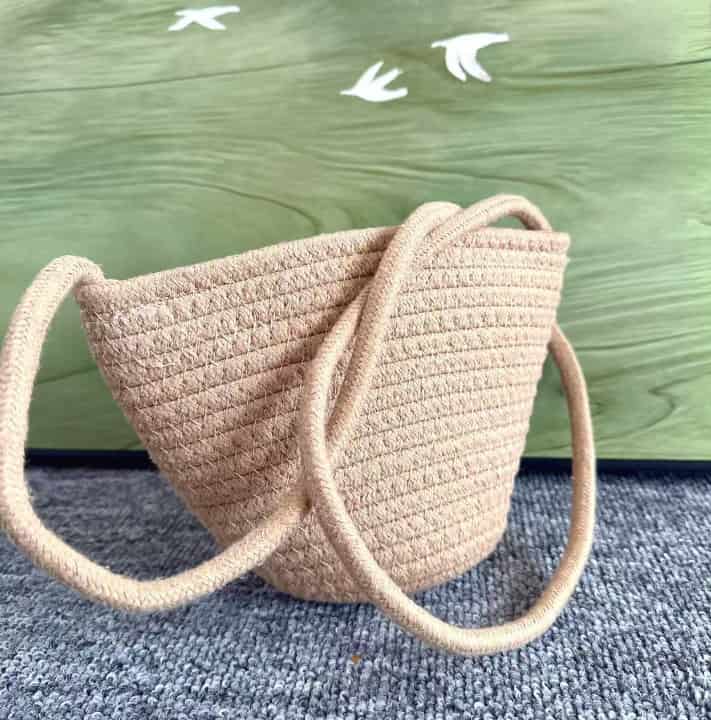
- Coiling – A continuous spiral of raffia stitched together to form the bag’s body
- Plaiting – Braiding fibers together for handles and decorative elements
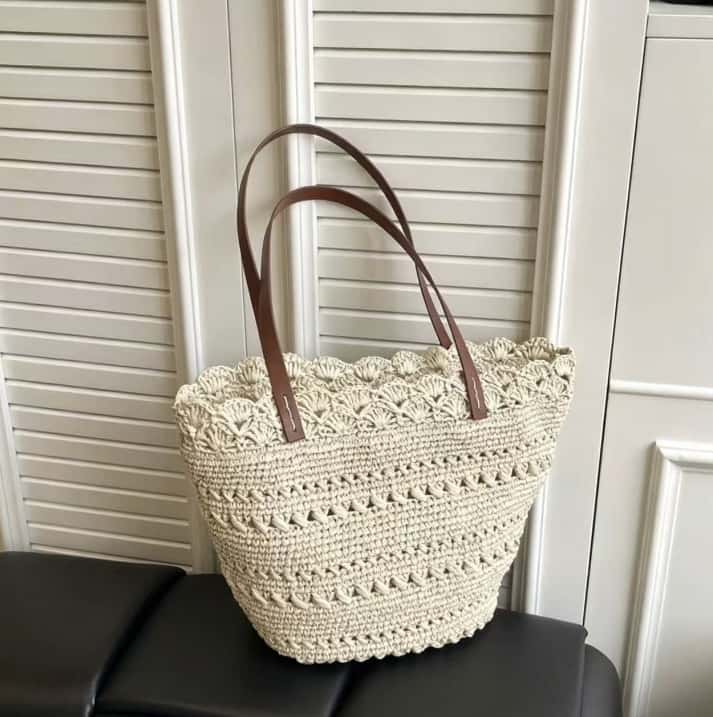
- Crochet – Looping raffia with a hook to create intricate, textured patterns
The bottom line: The tools are simple, but the skill is anything but. The craftsmanship is what makes each bag durable, functional, and unique. When you buy a handwoven raffia bag, you’re paying for hours of skill — not just a piece of material.
How to Spot Quality Workmanship in a Raffia Bag
Even among handwoven raffia bags, the level of craftsmanship can vary widely. Here’s how to tell if the workmanship is up to standard.
Signs of quality workmanship:
| What to Check | What Good Looks Like | What to Avoid |
|---|---|---|
| Even stitch tension | Consistent tightness across the entire bag | Loose or tight spots that affect the shape |
| Clean edges | Neatly finished edges that don’t unravel | Frayed or rough edges |
| Secure handle attachment | Handles are woven-in or double-stitched | Single-stitched or poorly attached handles |
| Reinforced stress points | Extra weaving at handle bases and corners | No visible reinforcement |
| Smooth lining attachment | Cotton or fabric linings that sit flat | Wrinkled or bunched linings |
The bottom line: Quality workmanship is visible in the details. The best handwoven raffia bags have tight, even stitches, clean edges, and secure handle attachments. These small details are what separate a well-made bag from one that falls apart after a few months.
Why Raffia Bags are the Future of Sustainable Fashion
Fast fashion has a real problem. Let’s not pretend otherwise. It’s wrecking the planet. Raffia craftsmanship? Totally different path.
- Eco-Friendly: Raffia grows back. You don’t cut down the tree — just prune it, and it keeps growing. Simple.
- Biodegradable: When a raffia bag finally wears out (and it takes a while), it goes back to the earth. No plastic garbage hanging around for centuries.
- Supporting Local Communities: Buy an authentic raffia bag, and real artisans get paid fairly. You’re helping keep traditions alive. Not feeding a machine.
What Makes Raffia Bags Craftsmanship Different?
Look, most bags come out of factories. That’s just how it is. But raffia bags craftsmanship? That’s personal. Every raffia handbag is made by hand, usually by someone who learned from their parents or grandparents. A straw raffia bag might look simple, but the technique behind it takes years to get right.
Here’s why this old-school way still matters:
- 100% natural – A natural raffia bag is just leaves. No plastic. No fake stuff.
- Keeps traditions alive – Buying a handmade raffia bag means you’re supporting real people, not a machine.
- Stronger than it looks – Don’t let the lightweight feel fool you. A lightweight raffia bag can handle your daily stuff just fine.
Where Craftsmanship Meets Everyday Function
Raffia bags are built to last. Here’s how the craftsmanship translates into real-world durability.
What makes a raffia bag functional:
| Feature | How It Helps |
|---|---|
| Tight weave | Prevents stretching, holds shape |
| Reinforced handles | Handles daily weight without tearing |
| Natural flexibility | Bends with use without breaking |
| Lightweight construction | Easy to carry, even when full |
The bottom line: The same handcrafted techniques that make raffia bags beautiful also make them durable. They’re built to be used — not just looked at.
What Sets Handmade Raffia Apart from Factory Production
Handmade raffia is different from machine-made bags in ways that matter.
| Factor | Handmade Raffia | Factory-Made Bags |
|---|---|---|
| Production process | One artisan, one bag | Assembly line, many bags |
| Time per bag | Hours to days | Minutes |
| Quality control | Artisan checks as they go | Machine settings + final inspection |
| Uniqueness | Each bag is slightly different | Identical copies |
| Connection to maker | Direct — you can trace the artisan | Indirect — made by machines |
The bottom line: Handmade raffia bags are personal. They carry the mark of the person who made them. That connection is what customers are paying for — and it’s what makes the craftsmanship different.
Why the Human Touch Makes Raffia Bags Special
Handmade raffia bags have a quality that machines can’t replicate. Here’s what makes them special.
What the human touch adds:
| Quality | What It Means | Why It Matters |
|---|---|---|
| Individual attention | Each bag is made by one person, start to finish | Every bag gets the artisan’s full care |
| Skill and experience | Years of practice refine the weave | Better quality, more durable bags |
| Natural variation | Slight differences in weave and texture | Each bag is unique – no two are alike |
| Pride in work | Artisans take pride in their creation | Higher quality, better finishing |
| Cultural heritage | Techniques passed down through generations | Preserves traditional skills |
What customers notice:
| What They Notice | Why It Matters |
|---|---|
| Warmth | Handmade bags feel more personal |
| Character | Slight variations add personality |
| Quality | Better construction, more durable |
| Story | A connection to the maker |
| Uniqueness | No one else has the exact same bag |
The bottom line: The human touch makes raffia bags special. They’re not mass-produced – they’re crafted with care by skilled artisans. That’s what customers notice and what keeps them coming back.
How to Tell Real Handmade Craftsmanship from Mass Production
Not everything labeled “handmade” is genuine. Here’s how to tell the difference.
Real handmade vs. mass production:
| What to Check | Real Handmade | Mass Production |
|---|---|---|
| Weave consistency | Slight variations – proof of human hands | Perfectly uniform – machine-made |
| Edge finishing | Slight irregularities, natural feel | Clean, precise, machine-perfect |
| Stitching | Hand-stitched, slight variations | Machine-stitched, perfectly uniform |
| Shape | Slight asymmetry – normal for handmade | Perfectly symmetrical – machine-made |
| Fiber feel | Soft, flexible, natural | Stiffer, sometimes synthetic |
| Time per bag | Hours to days | Minutes |
Red flags to watch for:
| Red Flag | What It Means |
|---|---|
| “Machine-made” not disclosed | They might be hiding the production method |
| No artisan story | They don’t know or don’t care who made it |
| No workshop photos | They may not actually make the bags themselves |
| Perfectly uniform weave | Likely machine-made |
| Very low price | Probably not handcrafted |
The bottom line: Real handmade has character. Slight variations in the weave are not flaws – they’re proof that something real made it. If the bag looks too perfect, it’s probably machine-made. Don’t pay handcrafted prices for a machine-made product. Look for the telltale signs of human hands – and trust your instincts.
Different Styles, Same Artisan Touch
One of the coolest things about raffia bags craftsmanship is how flexible it is. Same basic technique gives you totally different looks.
Raffia Tote Bag – The Everyday Hero
A raffia tote bag is big, casual, and works for almost anything. Beach trips. Grocery runs. Carrying your laptop around. The open weave means sand falls right through. No shaking your bag for five minutes at the beach.
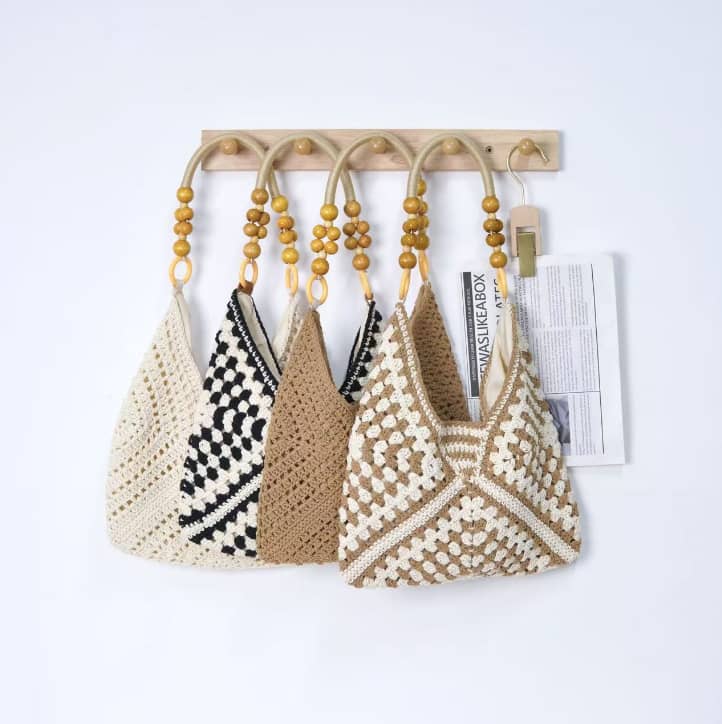
Raffia Crossbody Bag – Hands-Free & Stylish
Headed out for the day? A raffia crossbody bag keeps your phone, keys, and wallet close without weighing you down. A lot of our clients at Rafico Accessories ask for this style when they want something casual but still put together.
Raffia Clutch Bag – Evening Chic
For weddings or dinner out, a raffia clutch bag adds a little boho flavor. Add some shell or bead details, and you’ve got a boho raffia bag that stands out from the usual satin clutch everyone else has.
Raffia Bucket Bag – Trendy & Functional
The raffia bucket bag came back in style lately — for good reason. It’s deep, cute, and works just as well for a coffee run as for a summer party.
Caring for Your Handmade Raffia Bag
You want your natural raffia bag to last, right? A little care goes a long way.
- Spot clean with a damp cloth — never soak it.
- Don’t overstuff — it’ll stretch the weave.
- Store it somewhere dry, out of direct sun.
- Use a small fabric liner if you carry coins or tiny things.
That’s really it. Do these few things, and your lightweight raffia bag will stay pretty for years.
How to Clean Raffia Bags Without Damaging Them
Cleaning raffia is simple — as long as you follow a few basic rules.
| Cleaning Method | How to Do It | When to Use |
|---|---|---|
| Spot clean | Damp cloth, gentle dabbing | Small stains, dirt spots |
| Dry brush | Soft brush, gentle strokes | Dust, loose dirt |
| Vinegar solution | 1:1 vinegar and water, dab gently | Mold or mildew |
| Cornstarch | Apply, let sit, brush off | Oil or grease stains |
What to avoid:
| What Not to Do | Why |
|---|---|
| Soaking | Raffia absorbs water and loses shape |
| Machine washing | Ruins the weave permanently |
| Bleach or harsh chemicals | Damages natural fibers |
| Scrubbing hard | Causes fraying and weakens the weave |
The bottom line: Raffia is low-maintenance. A damp cloth, a soft brush, and a little patience are all you need to keep it looking good.
How to Store Raffia Bags for Longevity
Proper storage is just as important as cleaning. Here’s how to keep raffia bags in good shape.
| Storage Tip | Why It Matters |
|---|---|
| Keep in a cool, dry place | Prevents mold and mildew |
| Avoid direct sunlight | Prevents fading and drying out |
| Store flat or with support | Prevents creasing and losing shape |
| Use a fabric dust bag | Protects from dust without trapping moisture |
| Don’t overstuff while storing | Prevents stretch and deformation |
What to avoid:
| What Not to Do | Why |
|---|---|
| Storing in plastic | Traps moisture, leads to mold |
| Hanging by handles | Stretches handles over time |
| Storing in a hot car | Dries out fibers, makes them brittle |
| Piling heavy items on top | Crushes the weave |
The bottom line: A little care goes a long way. Clean gently, store properly, and a well-made raffia bag will last for years.
How to Identify High-Quality Raffia Bag Craftsmanship
Not all raffia bags are created equal. Here’s how to spot exceptional craftsmanship.
What to look for in a high-quality raffia bag:
| Quality Indicator | What to Look For | What to Avoid |
|---|---|---|
| Weave consistency | Even, tight weave throughout | Loose spots, visible gaps, uneven tension |
| Edge finishing | Clean, neatly finished edges | Fraying, rough, or uneven edges |
| Handle attachment | Woven-in or double-stitched handles | Single-stitched or glued handles |
| Stitching | Even, tight, no loose threads | Loose, skipped, or uneven stitches |
| Color | Even, consistent color throughout | Uneven, blotchy, or faded color |
| Hardware | Sturdy, rust-free, smooth operation | Flimsy, cheap, or rusted hardware |
| Lining | Cleanly attached, no sagging | Loose, wrinkled, or poorly attached |
| Overall feel | Solid, well-made, comfortable | Flimsy, rough, or uncomfortable |
Why craftsmanship matters:
| Reason | Why It’s Important |
|---|---|
| Durability | Well-crafted bags last for years |
| Perceived value | Customers pay more for quality |
| Brand reputation | Quality builds trust and loyalty |
| Customer satisfaction | Fewer returns, happier customers |
The bottom line: Quality craftsmanship is in the details. Check the weave, handles, edges, stitching, hardware, and lining. A well-made raffia bag is built to last – and your customers will notice the difference.
How to Test Craftsmanship on a Sample Bag
You can test craftsmanship on a sample bag before committing to a bulk order. Here’s how.
Simple craftsmanship tests:
| Test | How to Do It | Pass | Fail |
|---|---|---|---|
| The pull test | Gently pull the handles with moderate force | Handles stay secure, no movement | Handles move, stretch, or separate |
| The weave test | Hold the bag up to a light source | Even weave, no visible gaps | Gaps, holes, or uneven tension |
| The feel test | Run your hand over the surface | Smooth, consistent, comfortable | Rough spots, loose fibers, uneven |
| The pinch test | Pinch the weave between your fingers | Firm, tight, doesn’t compress easily | Soft, loose, compresses easily |
| The hardware test | Open and close zippers or clasps | Smooth, secure, easy operation | Rough, sticking, or loose hardware |
What these tests tell you:
| Test Result | What It Means |
|---|---|
| All pass | Bag is well-crafted and durable |
| One fails | Potential issue – investigate further |
| Multiple fail | Poor craftsmanship – find another supplier |
The bottom line: A few simple tests can save you from buying poor-quality bags. Test a sample before you commit to a bulk order. If the bag passes these tests, it’s likely well-crafted and durable.
How to Compare Craftsmanship Across Suppliers
Different suppliers have different quality levels. Here’s how to compare them.
What to compare:
| Comparison Point | What to Check | Supplier A | Supplier B | Supplier C |
|---|---|---|---|---|
| Weave consistency | Even, tight, no gaps | Pass/Fail | Pass/Fail | Pass/Fail |
| Handle attachment | Woven-in or double-stitched | Pass/Fail | Pass/Fail | Pass/Fail |
| Edge finishing | Clean, neat edges | Pass/Fail | Pass/Fail | Pass/Fail |
| Stitching | Even, tight, no loose threads | Pass/Fail | Pass/Fail | Pass/Fail |
| Hardware | Sturdy, smooth operation | Pass/Fail | Pass/Fail | Pass/Fail |
| Overall feel | Solid, well-made | Pass/Fail | Pass/Fail | Pass/Fail |
How to choose:
| Result | What to Do |
|---|---|
| One supplier passes all checks | Choose them – they’re the best option |
| Two suppliers pass | Compare pricing and lead time |
| No suppliers pass | Keep looking – don’t compromise on quality |
The bottom line: Comparing craftsmanship across suppliers helps you choose the best quality for your brand. Test samples from multiple suppliers and compare the results. Choose the supplier that consistently passes quality checks – they’ll deliver the best bags for your customers.
Wrapping it up
Look, raffia bags craftsmanship isn’t just a buzzword. It’s a real skill that turns leaves into art. From the origin of raffia in Madagascar to the art of weaving and its place in sustainable fashion — these bags have something machines can’t copy. Soul.
Whether you’re looking for a personal boho raffia bag for summer or you need handmade raffia bag wholesale for your store, Rafico Accessories is here to help.
Looking for wholesale or custom orders?
Reach out to us for raffia bag wholesale, custom raffia bag projects, or just to see our latest handwoven raffia bag collection. We ship worldwide.