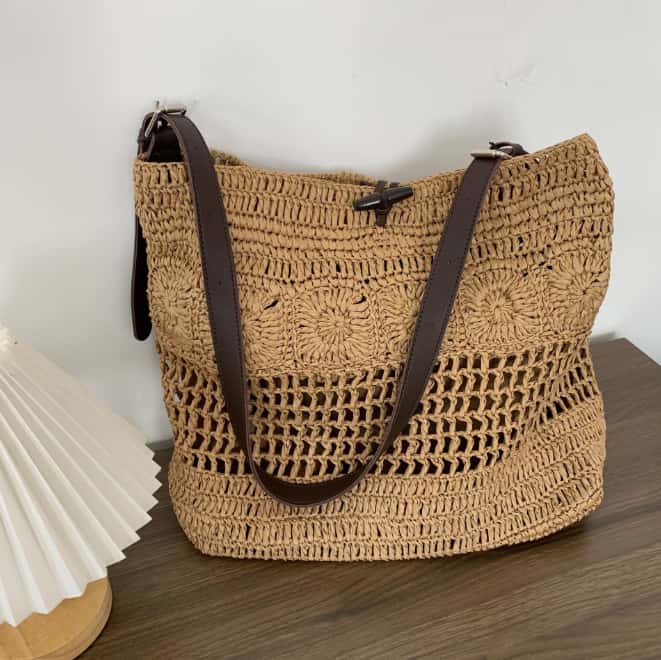
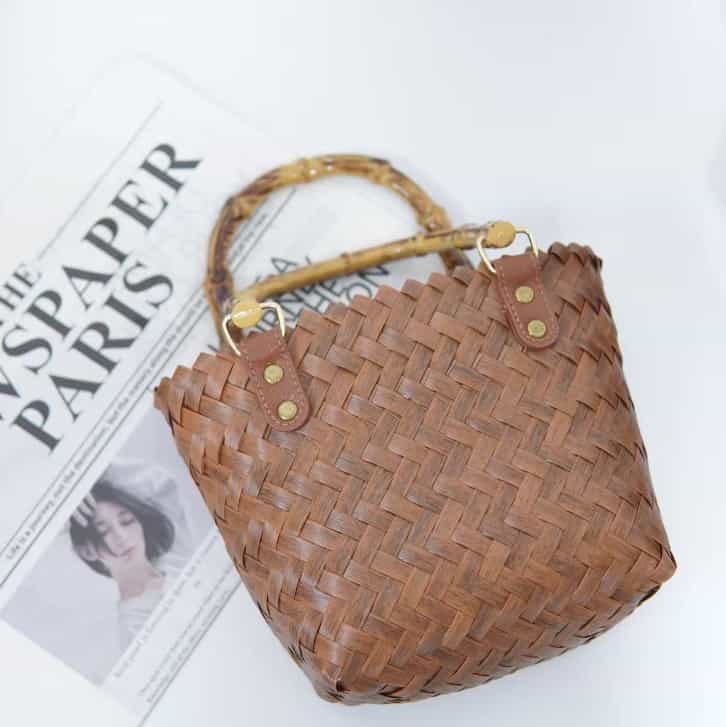
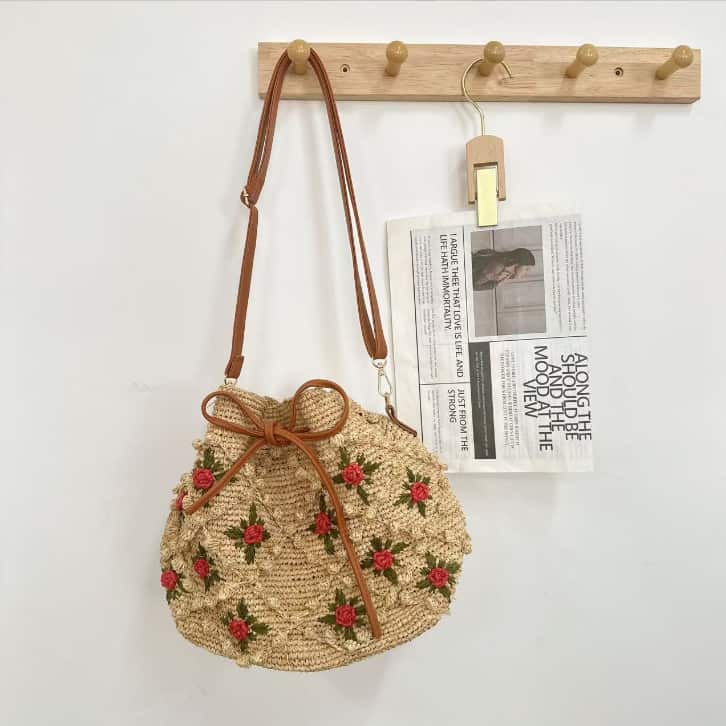
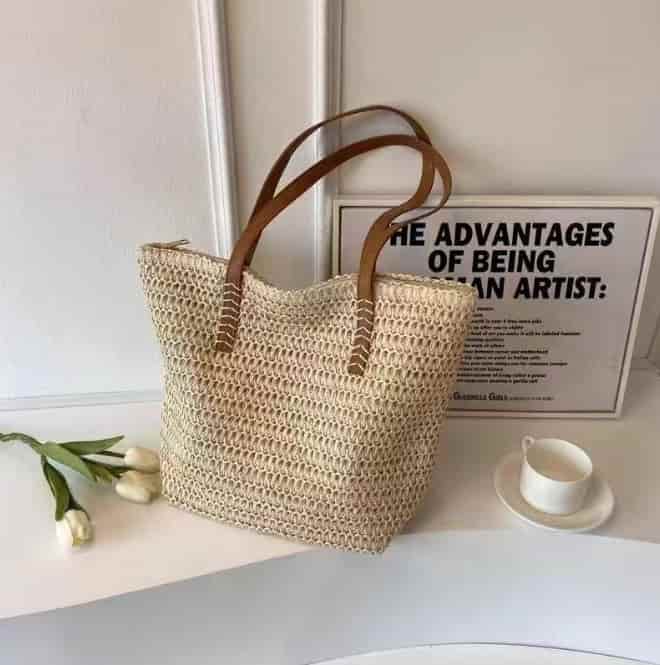
Let’s be honest — building your own brand is exciting. But figuring out where to start with a raffia bag brand can feel overwhelming.
Here’s the thing: the brands that succeed in this space aren’t just selling bags. They’re telling stories. They’re building communities. And they’re doing it with a material that’s naturally sustainable, beautiful, and deeply rooted in artisan traditions.
Whether you’re a boutique owner wanting your own line, a designer looking to launch a collection, or an entrepreneur entering the sustainable fashion space, this guide will walk you through exactly how to create your own raffia bag brand — from concept to market.
Step 1 – Define Your Brand Vision and Positioning
Before you even touch a piece of raffia, you need to know what your brand stands for.
Start With Your Reason
The best raffia bag brands aren’t just selling bags — they’re selling a connection. They’re built on something real — a personal experience, a cultural heritage, a problem that needed solving.
But here’s the thing — you don’t need a dramatic backstory to start a brand.
Some brands started with a simple observation: “I saw a gap in the market and filled it.” Others started because they couldn’t find what they wanted — so they made it themselves.
Your reason could be:
- You noticed that sustainable bags were either too expensive or not stylish enough
- You wanted to create fair-paying work for artisans
- You saw raffia and believed it deserved better design
- You’re a retailer who couldn’t find a reliable supplier, so you decided to become one
The point isn’t to have a dramatic story. It’s to have a real reason. Your customers can tell the difference.
What to think about:
- What problem are you solving?
- Why are you the right person to solve it?
- What makes you care enough to build a brand around it?
Define Your Brand Values
Sustainability and ethics aren’t just marketing — they’re what consumers actually care about. Eileen Akbaraly, founder of Made For A Woman, grew up in Madagascar acutely aware of inequality. Her brand was born from wanting to create dignified work for vulnerable communities — disabled individuals, sex workers, survivors of gender-based violence, and single mothers.
Brands like Made For A Woman, AAKS, and LIMAIA have built their entire identity around their values. This isn’t just about making a profit. It’s about making a difference.
What values can anchor your brand?
- Ethical production and fair wages
- Environmental sustainability
- Preserving traditional craftsmanship
- Supporting women’s economic independence
- Cultural heritage and storytelling
What Should You Name Your Raffia Bag Brand?
Your brand name is the first thing customers see. It sets the tone for everything — your story, your aesthetic, your price point.
A good brand name doesn’t need to be clever. It needs to be memorable, easy to pronounce, and available to register.
Simple rules for naming your raffia bag brand:
| Rule | Why It Matters |
|---|---|
| Keep it short | 1–2 syllables is ideal. Think AAKS, LIMAIA, Ibeliv. |
| Make it easy to spell | If customers can’t type it, they can’t find you. |
| Check availability | Domain name, social media handles, and trademark — check all three. |
| Test it with real people | Say it out loud. Does it sound like a brand you’d trust? |
| Avoid trends | “Eco,” “green,” “sustainable” are overused. Your brand is more than that. |
How to start brainstorming:
- Look at your reason – What inspired you to start this brand? Words from that story can be a starting point.
- Think about your location or material – Raffia, Madagascar, palm, weave.
- Try a name generator – When you’re stuck, tools like Namelix or Shopify’s business name generator can help you find names you haven’t thought of.
- Get feedback – Ask friends, colleagues, and potential customers. If they struggle to say it, it’s not the right name.
What to avoid:
- Names that are too long
- Names with hyphens or numbers
- Names that are too similar to existing brands
- Names that sound like a commodity, not a brand
Step 2 – Source High-Quality Raffia and Artisans
The quality of your bags starts with the quality of your materials and the people who make them.
Where Raffia Comes From
Understanding the origin of your raffia is non-negotiable. Authentic raffia is harvested from the Raphia farinifera palm tree, native to tropical regions of Madagascar, central Africa, and parts of Southeast Asia.
Key sourcing fact: Approximately 80% of the world’s raffia comes from Madagascar. Madagascar raffia is considered the gold standard — it’s longer, more consistent, and more resilient than raffia from other regions.
Responsible harvesting follows principles like the “30% rule” — taking no more than 30% of a tree’s young shoots in any cycle, allowing the palm to recover and continue producing for decades.
Finding Artisans
Building relationships with artisans takes time, travel, and trust.
What brands actually do:
- AAKS: Founder traveled within Ghana to find a community of weavers working under a Baobab tree.
- LIMAIA: Started with 15 crocheters. Today, nearly 250 women make their pieces. Each bag bears the name of the woman who made it.
- Made For A Woman: Grew from 350 to 750 artisans from vulnerable communities — all earning fair wages with access to healthcare, education, and childcare.
What to Look for in a Supplier
If you’re not ready to build your own artisan network, working with an established supplier is a faster option.
| Factor | What to Look For | Red Flag |
| Experience | 5–10+ years in natural fiber production | Brand new, no history |
| Sample policy | Paid samples deductible from bulk orders | Refuses to send samples |
| Lead time | 7–15 days for samples, 30–60 days for bulk | Vague or unrealistic |
| Certifications | ISO, BSCI, REACH compliance | No certifications |
| Communication | Responds within 24 hours | Takes days to reply |
Example suppliers: Panoramic Exports in India offers low MOQs starting at 100 pieces. Basketgem in China provides 7-day sampling and direct factory pricing. Les Ateliers Feel Good in Madagascar specializes in luxury raffia for global brands.
The bottom line: Your supply chain is the foundation of your brand. Invest the time to get it right.
Step 3 – Design Your Collection
This is where your vision becomes tangible.
Find Your Aesthetic
Luxury raffia brands take very different approaches:
- AAKS: Colorful, handwoven basket bags that are foldable and travel-friendly.
- Made For A Woman: The Rainbow Craftsmanship collection features multicolored one-of-a-kind hobo bags retailing from $390 to $700.
- LIMAIA: Timeless, durable pieces that don’t follow trends. “I create pieces that people want to keep for a long time.”
Design decisions to make:
- What styles are you offering? (totes, clutches, bucket bags, crochet bags, etc.)
- What’s your color palette?
- What’s your price positioning?
- What details make your bags unique?
Understand How Bags Are Made
Knowing the process helps you design for feasibility and quality.
The 5-stage production process:
- Fiber Preparation – Dried raffia strands are sorted and conditioned
- Dyeing – Natural or azo-free dyes are applied before weaving
- Hand Crocheting or Weaving – Crochet, weave, or braid techniques
- Shaping, Assembly, and Hardware – Leather trims, linings, zippers, handles
- Quality Control – Multi-point inspection for weave density, stitching, hardware
A skilled crochet artisan can produce about 2–4 mid-sized bags per week. This labor is the largest cost component in a finished raffia bag.
Consider Structural Quality
Luxury brands are focusing on interior organization, travel functionality, soft lightweight construction, and flexible carrying options. For private label brands, think beyond just appearance — your customers will care about how the bag works, not just how it looks.
Step 4 – Build Your Brand Story and Identity
Marketing Your Brand Without a Big Budget
You don’t need a massive marketing budget to get your raffia bag brand noticed. Here’s what actually works for new brands.
What works on a small budget:
- Instagram and Pinterest are your best friends – Raffia bags are naturally photogenic. Post behind-the-scenes content, weaving videos, and lifestyle shots.
- Tell the artisan story visually – A short video of hands weaving is more powerful than any product photo.
- Partner with micro-influencers – Send free bags to smaller creators (5–20k followers) who actually love your aesthetic. Their followers trust them more than big influencers.
- Start an email list from day one – Collect emails through your website. Send updates about your collection, artisan stories, and new arrivals.
- Use hashtags strategically – #raffiabag, #handwoven, #sustainablefashion, #artisanmade, #madagascarcraft. These bring in organic traffic.
What doesn’t work on a small budget:
- Paid ads without a clear strategy (you’ll burn money fast)
- Posting inconsistently (once a month won’t build an audience)
- Trying to be everywhere at once (pick 1–2 platforms and do them well)
Brands that did it right:
- LIMAIA – Uses Instagram to showcase the artisans behind each bag, building emotional connection.
- AAKS – Leverages travel-inspired visuals and colorful storytelling across social media.
The bottom line: Start small. Be consistent. Tell real stories. The audience will follow.
What Your Customers Actually Look For in a Raffia Bag Brand
Here’s what shoppers care about when they’re deciding which raffia bag brand to buy from — and it’s not just the design.
Top customer priorities (in order of importance):
| Priority | Why It Matters |
|---|---|
| 1. Quality and durability | Customers want a bag that lasts, not something that falls apart after one season. They’ll pay more for good construction. |
| 2. Authenticity | Is the bag really handwoven? Who made it? Customers can sense when a brand is genuine. |
| 3. Sustainability | Consumers care about materials, packaging, and carbon footprint. Raffia’s natural story helps here. |
| 4. Design | The bag needs to look good and fit their style. |
| 5. Price | Customers are willing to pay more for quality and story — but only if it feels fair. |
| 6. Brand story | A compelling origin story helps justify a higher price and builds loyalty. |
| 7. Ethical production | Knowing the artisans are paid fairly makes customers feel good about their purchase. |
What customers don’t care about:
- Overly polished marketing language
- Vague “eco-friendly” claims without proof
- A brand that doesn’t show who’s behind the product
The bottom line: Focus on quality, authenticity, and the artisan story first. If you get those right, customers will come — and they’ll come back. Ethical production and sustainability are what convert browsers into buyers, and what turn one-time shoppers into repeat customers.
Step 5 – Find the Right Production Partner
Once you have your design and story, you need someone who can actually make it happen.
Choosing Between Factory Models
| Option | Pros | Cons | Examples |
| Direct Artisan Partnership | Deep quality control, authentic story, direct social impact | Time-intensive, requires on-the-ground relationships | AAKS, Made For A Woman |
| OEM/ODM Factory Supplier | Faster to market, lower MOQs, established infrastructure | Less control over artisan story | Basketgem, Panoramic Exports |
| Hybrid (Design + Factory) | You handle design and branding, they handle production | Need to verify artisan practices | Growing trend |
Supplier Performance Benchmarks
| Metric | What to Aim For |
| On-time delivery | ≥95% |
| Response time | ≤4 hours |
| Reorder rate | ≥30% |
| Sample fee | $20–100, deductible from bulk order |
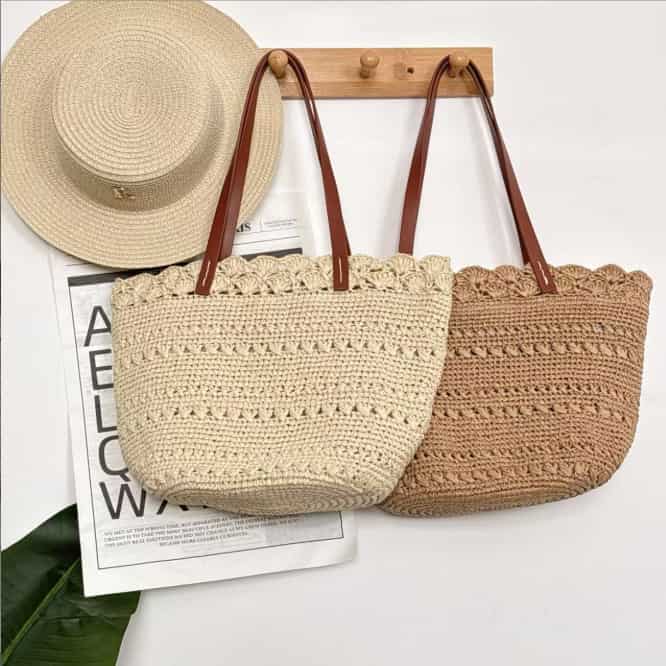
How to Launch Your Raffia Bag Collection Successfully
A successful launch sets the tone for your entire brand. Here’s how to plan and execute a launch that builds momentum and drives sales.
Pre-launch checklist:
| Phase | What to Do | Why It Matters |
|---|---|---|
| 3–4 months before | Finalize designs, order samples, choose suppliers | Gives you time to test quality and make adjustments |
| 2–3 months before | Place bulk orders, start marketing teasers | Builds anticipation and ensures stock arrives on time |
| 1–2 months before | Build email list, share behind-the-scenes content | Engages your audience before the launch |
| 2–4 weeks before | Send samples to influencers, prepare your website | Creates buzz and ensures everything is ready |
| Launch week | Post daily content, send email blast, run promotions | Drives traffic and sales |
How to build pre-launch excitement:
- Share behind-the-scenes content (artisans, materials, production)
- Tease new styles and colors
- Offer early access or exclusive discounts to email subscribers
- Partner with micro-influencers to preview the collection
- Create a countdown on social media
Launch day tactics:
| Tactic | How to Do It | Why It Works |
|---|---|---|
| Email your list | Send a launch announcement with product photos and a link to shop | Directly reaches interested customers |
| Post on all channels | Share launch content on Instagram, Pinterest, TikTok | Maximizes visibility |
| Offer a launch promotion | Free shipping, a discount code, or a free gift | Incentivizes first-time buyers |
| Share customer photos | Encourage customers to post and tag your brand | Builds social proof |
| Follow up | Thank customers and ask for reviews | Builds long-term relationships |
The bottom line: A successful launch is about planning ahead. Build anticipation, engage your audience, and make it easy for customers to buy. A strong launch sets the stage for long-term growth.
How to Handle First Orders and Fulfillment Smoothly
Your first orders are critical – they set the tone for your brand and create your first customers. Here’s how to handle them smoothly.
First order checklist:
| Step | What to Do | Why It Matters |
|---|---|---|
| Before orders | Set up your shipping and fulfillment system | Avoids delays when orders arrive |
| When orders arrive | Inspect each batch immediately | Catches quality issues before customers receive them |
| When packing | Use brand-appropriate, protective packaging | Protects the bag and reinforces brand quality |
| When shipping | Provide tracking numbers promptly | Builds trust and reduces anxiety |
| After delivery | Follow up with customers | Shows you care and encourages reviews |
How to ensure a great first customer experience:
- Ship quickly – Within 1–2 business days of receiving stock
- Package well – Protect the bag from damage during transit
- Include a personal touch – Thank you note, care instructions, or small gift
- Follow up – Ask for reviews and offer a discount on their next order
- Be responsive – Answer questions and resolve issues quickly
Common fulfillment issues and how to avoid them:
| Issue | How to Avoid It |
|---|---|
| Shipping delays | Use reliable carriers and build extra time into your timeline |
| Packaging damage | Use protective packaging (kraft paper, cardboard, or cotton dust bags) |
| Missing items | Double-check orders before packing |
| Incorrect addresses | Confirm shipping address with the customer |
| Tracking issues | Provide tracking numbers immediately |
The bottom line: Your first customers become your biggest advocates – or your toughest critics. Handle orders smoothly, communicate clearly, and deliver a great experience. A satisfied first customer is worth more than any ad.
How to Understand Your Target Customer’s Needs
Knowing your target customer is essential for design, marketing, and pricing decisions. Here’s how to understand what they want.
Questions to define your target customer:
| Question | Why It Matters |
|---|---|
| What’s their lifestyle? | Determines which bag styles and sizes they’ll buy |
| What’s their budget? | Guides your pricing and material choices |
| What do they value? (sustainability, style, price, convenience?) | Helps you position your brand effectively |
| Where do they shop? | Determines your sales channels |
| What problem does your bag solve for them? | Defines your value proposition |
Customer preferences by segment:
| Customer Segment | What They Value | What They Avoid |
|---|---|---|
| Eco-conscious shoppers | Natural materials, sustainability, certifications | Plastic, synthetic materials, greenwashing |
| Style-conscious shoppers | Unique designs, photogenic, trend-driven | Boring, generic, mass-produced |
| Luxury buyers | Premium quality, artisan story, exclusivity | Cheap materials, mass production |
| Budget-conscious shoppers | Affordable price, good value, durability | Overpriced, poor quality |
| Gift buyers | Attractive packaging, affordable luxury, uniqueness | Cheap packaging, generic products |
How to gather customer insights:
- Survey your email list
- Monitor social media comments and engagement
- Read reviews of competing brands
- Ask customers directly in follow-up emails
- Track sales data to see what’s selling best
The bottom line: Understanding your target customer helps you design better products, price effectively, and market more successfully. Start with a clear picture of who you’re selling to – and everything else will follow.
How to Create Customer Profiles for Your Raffia Bag Brand
Customer profiles help you design, market, and sell more effectively. Here’s how to create them.
How to create a customer profile:
| Step | What to Do | Why It Matters |
|---|---|---|
| 1 | Research your target audience | You’re designing for a real person, not an idea |
| 2 | Identify their demographics | Age, location, income, lifestyle |
| 3 | Understand their values | Sustainability, style, price, convenience |
| 4 | Know their shopping behavior | Where they shop, how they find products |
| 5 | Define their pain points | What problems are they trying to solve? |
Example customer profiles:
| Profile | Eco-Conscious Emma | Style-Seeking Sarah | Corporate Gift Giver |
|---|---|---|---|
| Age | 28–40 | 22–35 | 35–55 |
| Values | Sustainability, natural materials | Unique style, photogenic | Quality, presentation, branding |
| Budget | $60–120 | $50–150 | $100–200+ |
| Shoppping | Online, sustainable stores | Instagram, boutiques | Corporate suppliers, online |
| Pain points | Greenwashing, plastic | Boring, mass-produced bags | Generic gifts |
How to use customer profiles:
- Design for them – Choose styles, colors, and materials they’ll love
- Price for them – Set prices within their budget
- Market to them – Use language and channels they respond to
- Support them – Address their specific concerns
The bottom line: Customer profiles make your brand decisions easier. When you know who you’re designing for, everything else falls into place – design, pricing, marketing, and support. Start with one clear profile and expand from there.
How to Use Customer Feedback to Refine Your Collection
Customer feedback is gold. Here’s how to use it to improve your raffia bag collection.
How to collect customer feedback:
| Method | How to Do It | Why It Works |
|---|---|---|
| Post-purchase surveys | Send a short survey after delivery | Customers are still engaged |
| Email follow-ups | Ask what they think of the product | Direct, personal, easy to respond |
| Social media engagement | Ask questions in posts and stories | Interactive, public, builds community |
| Reviews | Encourage product reviews | Builds trust and provides insights |
| Customer service interactions | Listen to complaints and questions | Identifies issues early |
How to analyze feedback:
| Feedback Type | What to Look For | What to Do |
|---|---|---|
| Positive comments | What customers love most | Keep doing it – it’s working |
| Negative comments | What customers dislike | Fix the issue or improve |
| Suggestions | What customers want more of | Consider adding it |
| Complaints | Recurring problems | Address the root cause |
| Lack of feedback | Customers aren’t engaged | Ask more directly |
How to use feedback to refine your collection:
- Add more of what sells – Expand colors, sizes, or styles that perform well
- Drop what doesn’t – Remove styles that don’t sell
- Improve quality – Address recurring quality issues
- Expand best-sellers – Create more variety in popular styles
- Respond to customer suggestions – Show you’re listening
The bottom line: Customer feedback is your most valuable data source. Use it to refine your collection, improve quality, and build products your customers love. When you listen to customers, they feel heard – and they’ll keep coming back.
Wrapping it Up
Creating your own raffia bag brand is a journey — and a rewarding one at that.
The brands that succeed in this space share a few things in common: they understand their material, they honor the people who make their products, they tell a compelling story, and they build real relationships with their artisans and suppliers.
Whether you start with a small artisan workshop or partner with an established factory, the key is to stay true to your vision and values.
Ready to create your own raffia bag brand?
Contact Rafico Accessories for a custom raffia bag quote or consultation. We’ll help you from concept to collection — and everything in between.