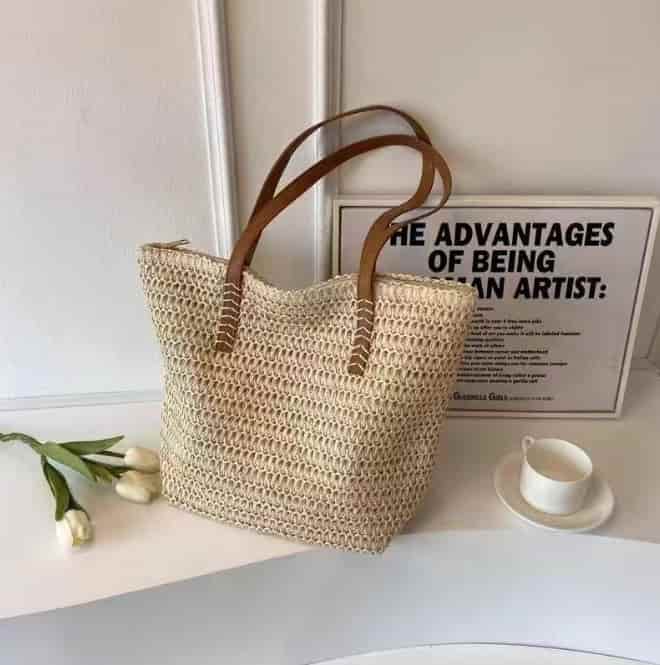
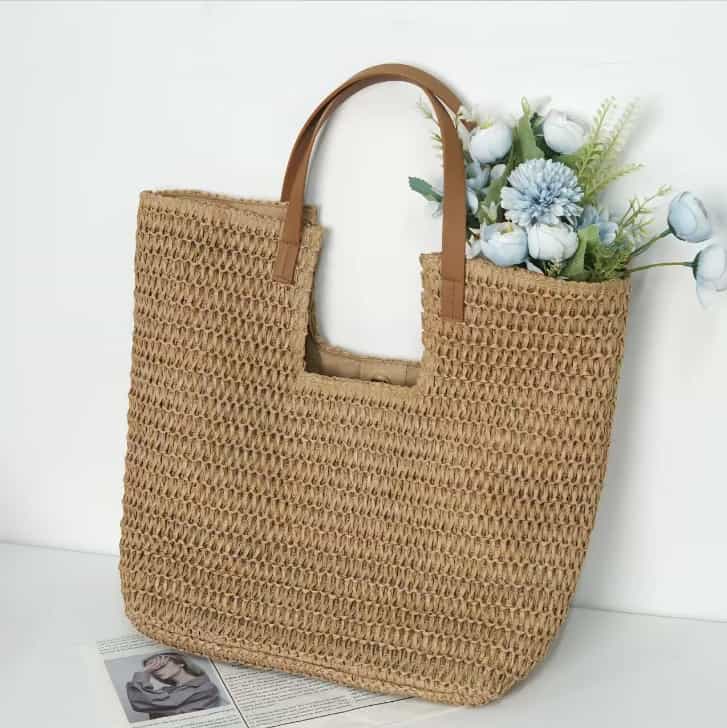
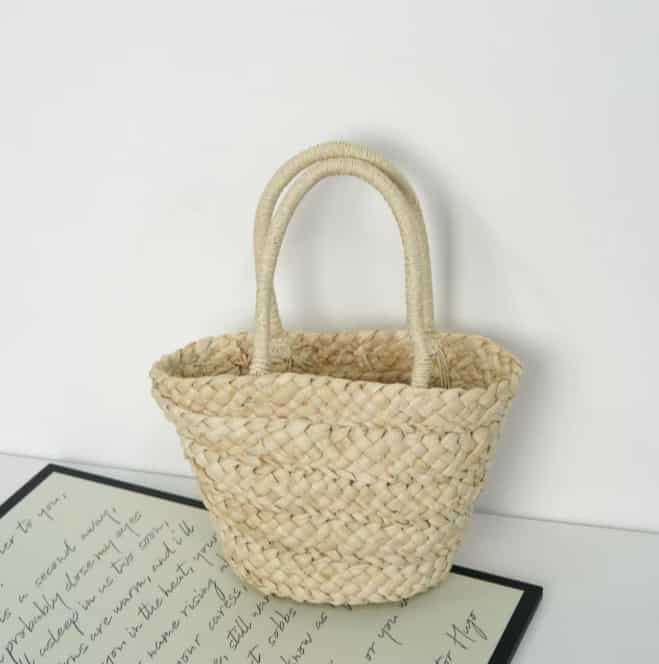
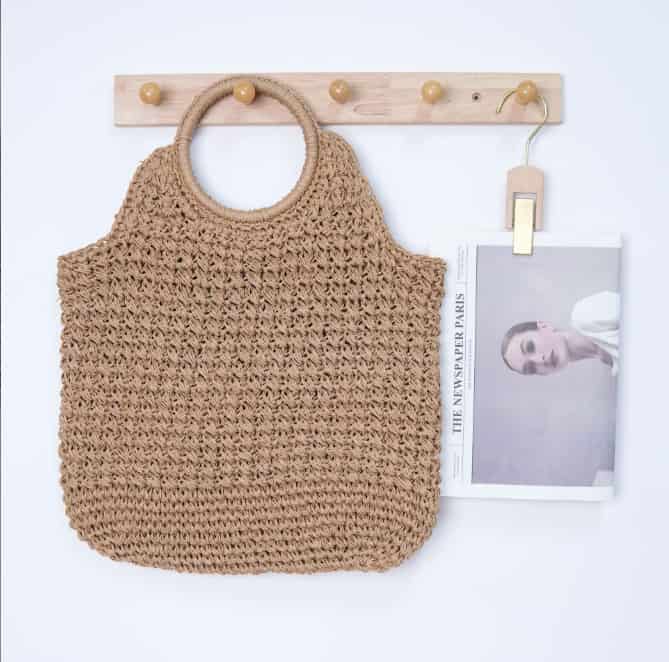
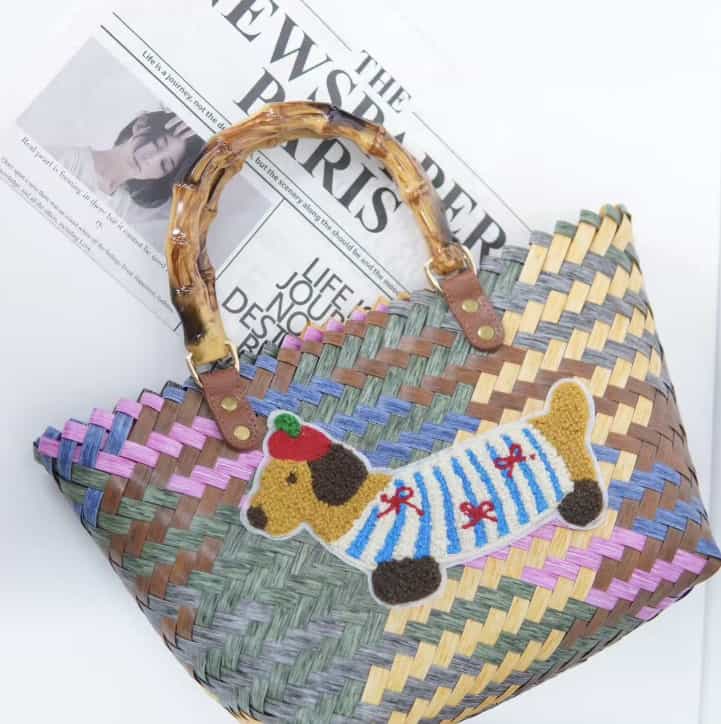
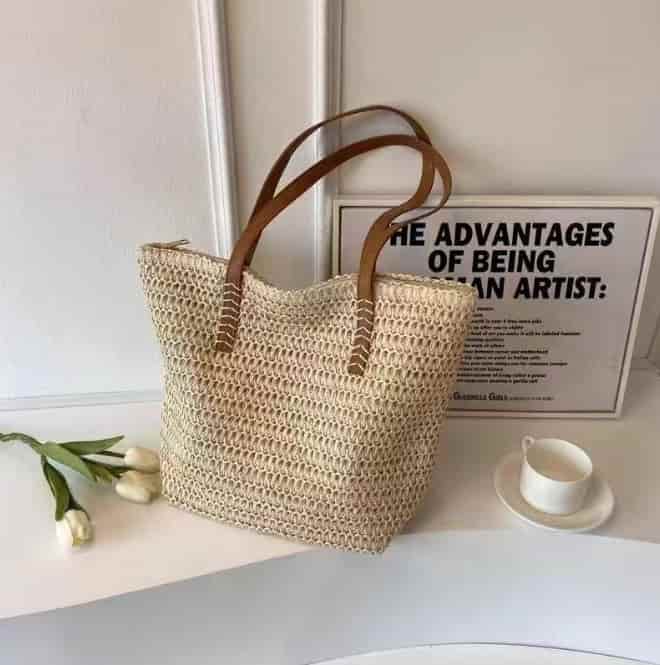
I sell raffia bags. Real ones. Handwoven, not plastic.
Last year, a resort brand from Europe reached out. They sold beachwear, linen dresses, sandals. Wanted to add accessories.
They tried raffia bags before. From another supplier. Turned out those bags were fake – polypropylene. Customers complained. Felt stiff. Looked cheap.
So they came to me.
Here’s what happened next.
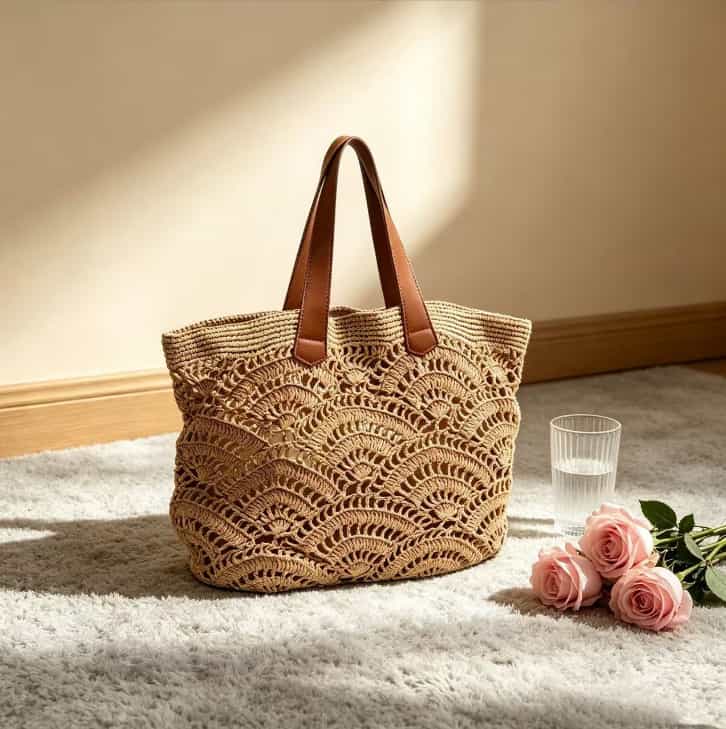
The Two Problems They Had
First problem – they didn’t trust suppliers anymore. Too many people selling plastic as raffia.
Second problem – they didn’t know how to price handmade stuff. They thought anything over $20 wouldn’t sell.
I sent them samples. Real handwoven raffia bags from Madagascar. They felt the difference immediately. Softer. Lighter. Smelled like plants, not chemicals.
We started small. 120 pieces. Three styles.
That was last spring.
Now their accessory sales are up 50% compared to the previous year. Here’s exactly how we made that happen.
Step 1 – Showed Them the Difference
I didn’t write a long sales pitch. I just sent side-by-side photos.
Real raffia vs fake polypropylene. You could see it right away – texture, softness, how the fibers catch light.
I also explained why some suppliers sell fake stuff. Simple reason. Real handwoven raffia bags take about a week to make one piece. Fake ones are mass-produced in days. So cheap suppliers cut corners.
Once they understood that, they stopped chasing the lowest price. They started looking for quality.
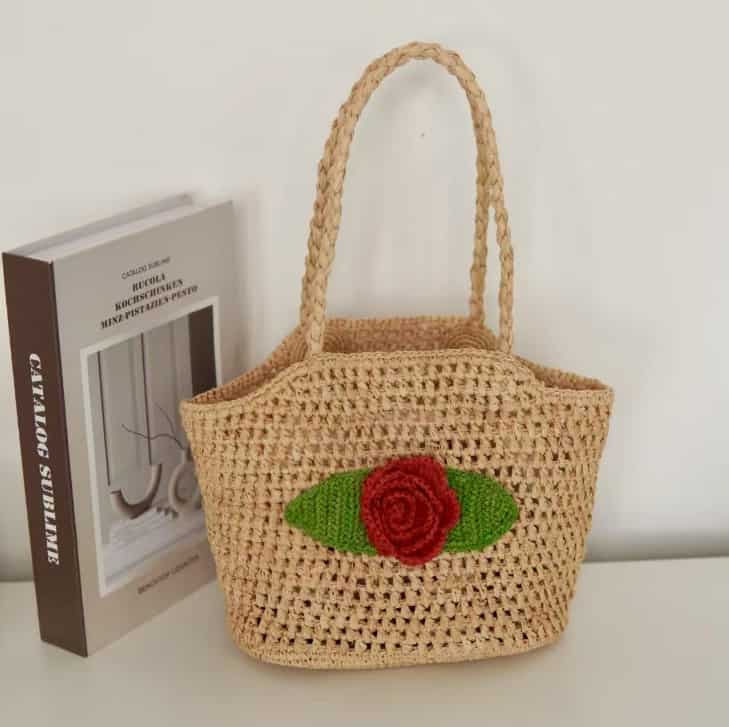
Step 2 – Picked the Right Styles
Their customers were mostly women in their 30s to 50s. Going to resorts in Spain, Greece, Italy. They wanted natural-looking bags, not something too “crafty” or loud.
We picked three:
- Large open tote – beach and pool. Throw a towel and sunscreen in.
- Medium structured bag with leather trim – nice enough for dinner or shopping.
- Small round crossbody – casual and light. Good for evenings.
No bright neons. No weird shapes. Just clean, natural looks that matched their linen and cotton pieces.
Step 3 – Kept the Product Description Short
They wanted to tell customers why these bags cost more than the $15 ones on Amazon. But they didn’t want to sound like they were begging or guilt-tripping people.
So we kept it simple. A few bullet points on each product page:
- Handwoven by artisans in Madagascar
- 100% natural raffia – no plastic, no polypropylene
- Takes about one week to make one bag
- Each bag is slightly unique – that’s the point
No long paragraphs. No sad backstories. Just facts.
Their customers liked it. Those pages converted better than their other accessories.
Step 4 – Fixed the Pricing
They wanted to price the large tote at $29. I said no.
Two reasons. First, they wouldn’t make enough margin to cover shipping and returns. Second, customers would think it’s fake. Because $29 for a real handwoven raffia bag is too cheap.
We settled on:
- Large tote – $59
- Medium structured bag – $79
- Small crossbody – $49
They tested it for one month. The medium bag sold out in three weeks.
Later they told me customers kept buying two at a time – one for themselves, one as a gift.
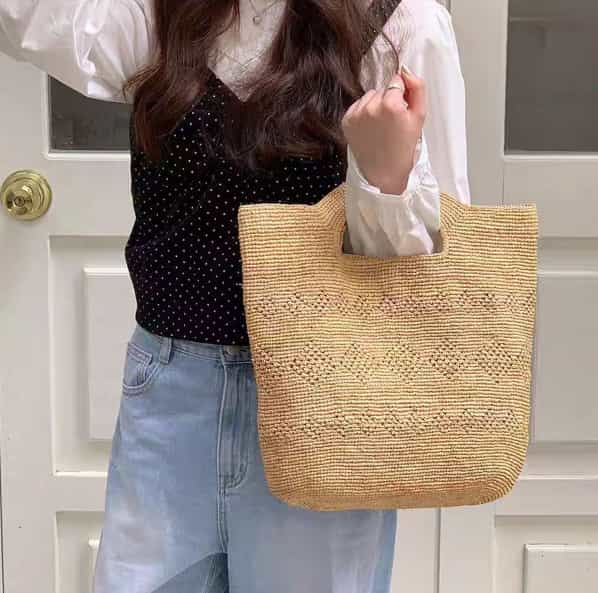
The Results – 50% Sales Growth
Between May and September last year, compared to their previous summer accessory line , here’s what happened:
- 50% higher total sales revenue on accessories
- 30% higher average order value – people added bags to their cart along with dresses
- Only 2% return rate – mostly for size issues, not quality
The brand owner emailed me in October. Subject line: “We need to triple the order for next year.”
How genuine raffia lifts your store’s core data
- Boost cross-selling naturally Real raffia bags perfectly match linen dresses, swimwear and resort outfits. Customers love bundling them together, directly pushing up your AOV without extra ads.
- Slash quality-related after-sales work Unlike stiff plastic fake straw that triggers mass complaints and returns, handwoven palm raffia barely gets sent back for craftsmanship flaws, saving your customer service cost.
- Lock in recurring large bulk orders Satisfied brands won’t stick to small test batches. Once they see clear profit growth, they will scale up orders year after year for stable long-term income.
Fake Plastic VS Real Raffia Business Data Comparison Table
| Data Metric | Plastic Fake Straw Bags | Our Handwoven Raffia Bags |
|---|---|---|
| Accessory sales growth | Flat or minor increase | Up 50% over one summer |
| Average order value lift | Less than 8% | Extra 30% via matching outfit cross-sales |
| Product return rate | Over 15% (texture & cheap look complaints) | Only 2% (almost no quality defects) |
| Repeat bulk order willingness | Low, brands switch suppliers fast | Very high, client requested order tripling |
What this data tells every resort & summer boutique buyer
- Cutting corners on material doesn’t save money long-term Cheap plastic straw leads to low customer trust, high return losses and stagnant sales.
- Authentic, matching accessories are your easiest profit driver You don’t need complicated marketing to sell raffia bags — they naturally pair with your existing apparel lines and raise every customer’s spend.
- Low return rate means steady, predictable cash flow Fewer defective returns equal less wasted inventory, fewer refund costs and happier repeat shoppers for your brand.
What I Learned From This
If you’re selling raffia bags or any handmade product, here’s what this case tells me.
- Don’t compete on price. You’ll lose to fake products every time. Compete on telling people what’s real and what’s not.
- Pick styles that fit your market. A resort brand doesn’t need winter colors or heavy bags. Match the product to where and when people use it.
- Keep the story short. Customers care about quality and uniqueness. They don’t need a novel. Just give them the facts.
- Price fairly, not cheap. Price too low and people won’t believe it’s real. Test a higher price – you might be surprised.
How to highlight “real raffia” to beat plastic knockoffs
- Clear visual comparison on product pages Place side-by-side shots: our handwoven natural raffia vs glossy rigid plastic straw. Show texture gaps, lightweight feel and breathable surface differences.
- Simple authenticity selling points List short, scannable facts: 100% palm fiber, hand-woven by artisans, fully biodegradable, natural color variations as craft marks.
- Social proof to back authenticity Share artisan workshop clips, fiber origin certificates and customer reviews praising genuine natural texture.
Market matching style planning table
| Target Brand Type | Recommended Raffia Styles | Ideal Color Palette |
|---|---|---|
| Coastal resort & beach shop | Oversized totes, mini crossbody, round handle bags | Natural beige, soft pastels, neutral earth tones |
| Urban boho boutique | Leather-trimmed raffia, beaded designs | Warm tan, subtle two-tone ombre |
| Gift & lifestyle brand | Novelty fruit shapes, lace-detailed handbags | Gentle cream, muted sage |
Want to Try This With Your Brand?
I’m not going to promise you 50% growth. Every brand is different.
But if you’re selling to resorts, beach clubs, or summer lifestyle stores, handwoven raffia bags work. They look good in photos. They feel good in person. And customers are tired of plastic pretending to be natural.
I work directly with artisan groups in Madagascar and Ghana. No middlemen. No fake raffia. Just real handwoven bags at wholesale prices.
Message me. Tell me what styles you’re looking for and what market you’re selling to. I’ll send you samples and pricing.
No fluff. Just products that actually sell.
Conclusion
We sent them soft, real handwoven raffia bags that matched their beach style. That summer, their accessory sales jumped 50%. No more customer complaints about stiff, fake plastic straw.
This story says it all: cheap plastic straw bags hurt your sales and reputation. Real natural raffia connects with your summer shoppers and boosts your revenue steady.