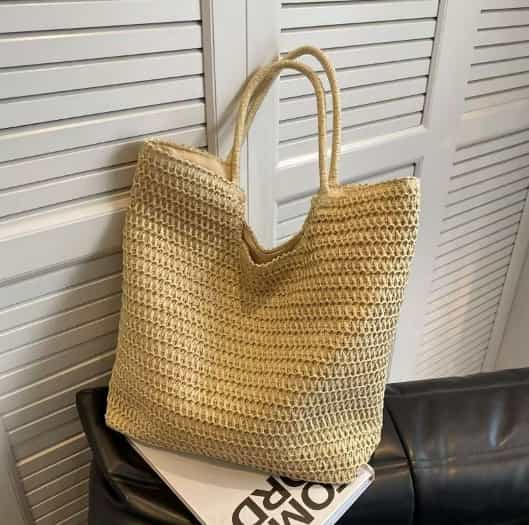
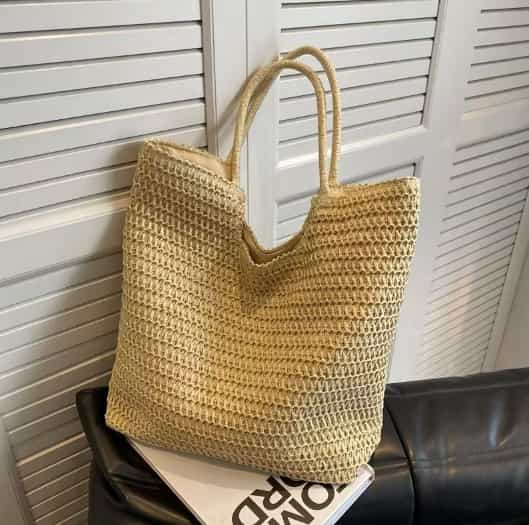
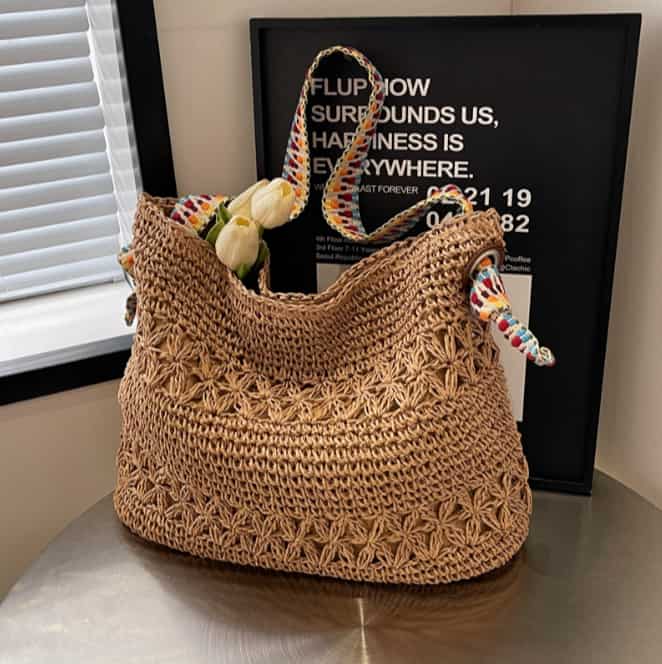
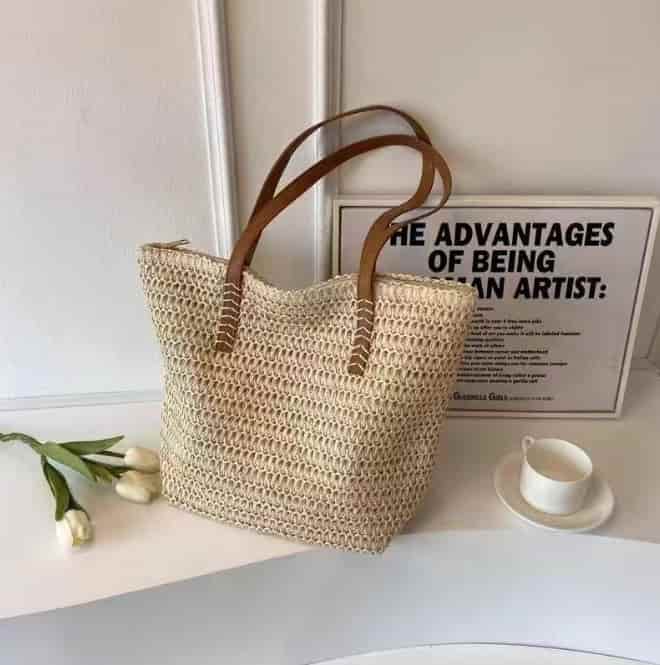
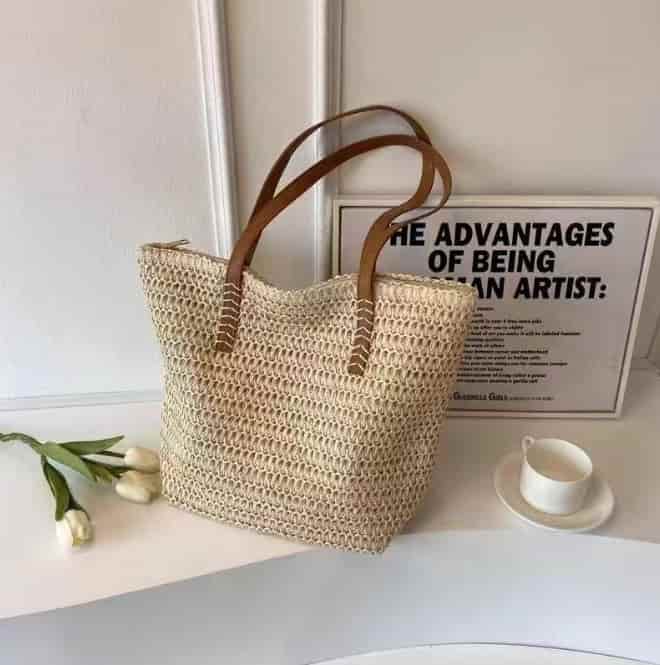
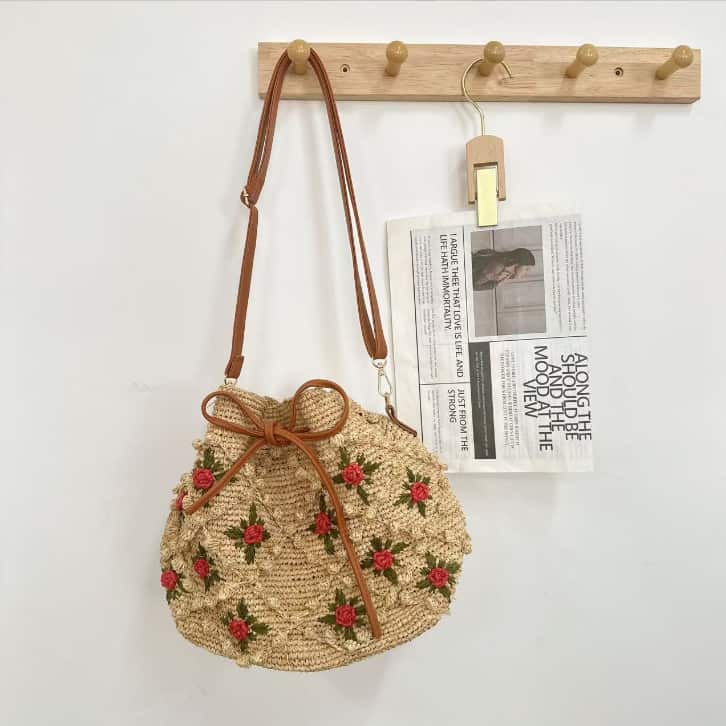
So, you’re looking to source raffia products — maybe raffia tote bags, woven baskets, or some fashion accessories. And chances are, you’ve run into this classic dilemma: do you go with Madagascar or China ?
Honestly, both have their strong points. But here’s the real question: which one actually works better for your profit margins, your quality standards, and your supply chain sanity?
Let me walk you through it.
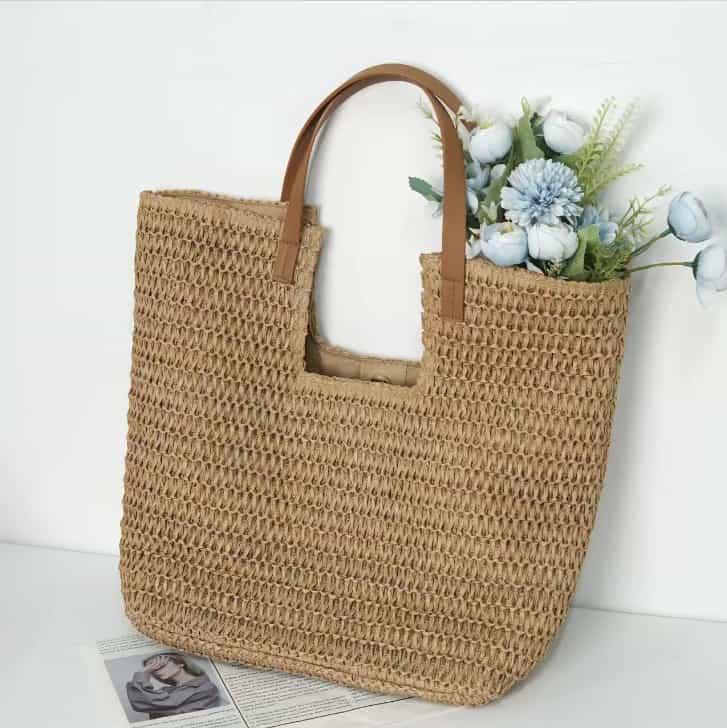
1. Material Source & Authenticity
| 1. Material Source & Authenticity | 1. Material Source & Authenticity | 1. Material Source & Authenticity |
| 1. Material Source & Authenticity | 1. Material Source & Authenticity | 1. Material Source & Authenticity |
| 1. Material Source & Authenticity | 1. Material Source & Authenticity | 1. Material Source & Authenticity |
| 1. Material Source & Authenticity | 1. Material Source & Authenticity | 1. Material Source & Authenticity |
So who wins?
- For authenticity: Madagascar, hands down.
- For consistency: China
Look, if your brand markets itself as “genuine Madagascar raffia” or “handwoven natural fiber,” then Madagascar gives you a much stronger story to sell.
How to Verify Authentic Raffia Sourcing
Not all raffia is created equal. Here’s how to confirm you’re getting the real thing.
| Verification Method | What to Check | Why It Matters |
|---|---|---|
| Origin documentation | Certificate of origin from Madagascar or other regions | Confirms where the raffia was harvested |
| Material composition | “100% natural raffia” on the label | Ensures no synthetic blends |
| Harvesting practices | “30% rule” – no more than 30% of shoots taken | Ensures sustainable harvesting |
| Test reports | Independent lab testing for fiber composition | Verifies authenticity |
| Physical inspection | Feel, smell, burn test on a sample | Quick verification method |
The bottom line: Always ask for documentation. Always test a sample. Authentic raffia is traceable – if the supplier can’t trace it, it’s probably not authentic.
How to Build a Transparent Raffia Supply Chain
Transparency builds trust with your customers. Here’s how to create a transparent supply chain.
Steps to build transparency:
| Step | What to Do | Why It Matters |
|---|---|---|
| 1 | Know your supplier’s source | Ensures traceability |
| 2 | Request documentation | Verifies claims |
| 3 | Visit the source | Builds trust and understanding |
| 4 | Document the journey | Share with your customers |
| 5 | Share the story | Builds customer trust |
What a transparent supply chain looks like:
- Traceable origin – You know exactly where the raffia comes from
- Documented harvesting – You have records of sustainable harvesting practices
- Fair labor practices – You know artisans are paid fairly
- Environmental compliance – You know processing is environmentally responsible
- Certifications – You have third-party verification of your claims
How to document and share your supply chain:
| What to Document | How to Share It |
|---|---|
| Origin of raffia | Product page, hang tag, social media |
| Harvesting practices | Website, email marketing |
| Artisan stories | Social media, product page, hang tag |
| Certifications | Product page, hang tag, packaging |
| Production process | Social media, behind-the-scenes content |
The bottom line: A transparent supply chain builds trust with your customers. Document your journey, share the story, and let your customers know exactly where their bag comes from. Transparency is the foundation of a trusted brand.
2. Manufacturing Capabilities
| Aspect | Madagascar | China |
| Production scale | Small to medium – mostly handwoven | Mass production – machine-made + hand finishing |
| Customization | Pretty limited – traditional shapes and weaves | Huge range – molds, colors, logos, hardware, sizes |
| MOQ | Low – you can start with 100–500 pieces | Medium to high – usually 500–5,000+ pieces |
| Lead time | 4–8 weeks (depends on harvest seasons) | 2–4 weeks – fast prototyping and mass production |
The takeaway:
- Customization & speed? China wins easily.
- Small batches & handmade appeal? Madagascar takes it.
Madagascar vs. China capabilities:
| Capability | Madagascar | China |
|---|---|---|
| Handwoven | ✅ Strong | ✅ Available |
| Machine-made | ❌ Limited | ✅ Strong |
| Customization | Limited | ✅ Extensive |
| Scale | Small-medium | ✅ Large |
| Integration | Limited | ✅ Strong |
| Lead time | 45–60 days | 25–40 days |
The bottom line: Match the manufacturer’s capabilities to your collection requirements.
How to Match Capabilities to Your Collection Needs
Not every factory is right for every brand. Here’s how to match capabilities to your needs.
Choosing by collection type:
| Collection Type | Best Factory Fit | Why |
|---|---|---|
| Premium/Artisan | Madagascar or India | Handwoven, artisan-crafted, unique designs |
| Mid-range | China or Vietnam | Balance of quality, cost, and customization |
| High-volume | China | Scale, speed, and competitive pricing |
| Custom designs | China or Vietnam | Full customization capabilities |
| Eco-conscious | Madagascar or India | Sustainability story, ethical production |
Key questions to ask yourself:
| Question | Why It Matters |
|---|---|
| What’s your target price point? | Determines which region is affordable |
| What’s your brand story? | Handmade vs. machine-made affects your story |
| What’s your order volume? | Some factories can’t handle large volumes |
| What’s your timeline? | Some regions are faster than others |
| What’s your quality standard? | Different regions have different QC capabilities |
The bottom line: Choose a factory that matches your collection needs. Don’t choose a high-volume factory if you need artisan-quality. Don’t choose a small artisan workshop if you need 5,000 pieces. Match the factory to your requirements.
3. Quality & Durability
Madagascar:
- Natural raffia is strong but absorbs water — can get moldy if it stays wet
- Best for: fashion totes, home decor, gift bags
- Handmade = natural variation
China:
- Specializes in PP raffia (synthetic) — waterproof, colorfast, and tough
- Best for: beach bags, industrial bags, outdoor totes
- Machine-made = uniform quality every time
Bottom line: Natural look? Madagascar. Durability and weather resistance? China wins.
What to Check for Quality on a Sample
Quality is only as good as what you can verify. Here’s what to check.
| Quality Check | What to Look For | Pass/Fail |
|---|---|---|
| Weave density | Tight, even – no visible gaps | Pass: tight weave; Fail: visible gaps |
| Handle attachment | Woven-in or double-stitched | Pass: secure; Fail: single stitch or glued |
| Bottom reinforcement | Extra layer or stiff insert | Pass: reinforced; Fail: thin, flimsy |
| Stitching | Even, tight, no loose threads | Pass: consistent; Fail: loose or skipped stitches |
| Color | Even across the bag | Pass: consistent; Fail: variations or fading |
Common defects by region:
| Defect | More Common In | Prevention |
|---|---|---|
| Uneven weave | Madagascar (varies by artisan) | Work with experienced artisans |
| Color variations | Madagascar (natural dyes) | Set clear color tolerance standards |
| Poor stitching | China (rushed production) | Set stitch density standards |
| Weak handles | Both – if not specified | Require load testing |
| Synthetic blends | China (cost-cutting) | Ask for material certification |
The bottom line: Quality isn’t about the region – it’s about the supplier and what you specify. Check quality on samples, set clear standards, and don’t compromise.
How to Test Durability on a Sample
You don’t need to wait for customer feedback to know if a raffia bag is durable. Here’s how to test it yourself.
Simple durability tests:
| Test | How to Do It | What to Look For |
|---|---|---|
| The stretch test | Gently pull the bag from both sides | Minimal stretch, returns to shape |
| The load test | Fill the bag with 5–8 lbs and carry it | Handles hold, bottom doesn’t sag |
| The rub test | Rub the surface with your hand 10 times | No loose fibers or fraying |
| The handle test | Pull the handles with moderate force | No stretching or separation |
| The light test | Hold the bag up to a light source | Even weave, no visible gaps |
When to test:
- On sample arrival – Always do these tests before approving a sample
- On bulk arrival – Test 3–5 random bags from your shipment
- Before retail display – One final check before customers see them
The bottom line: These tests take minutes and cost nothing. Use them to catch durability issues before they reach your customers. A bag that passes these tests will last for years with proper care.
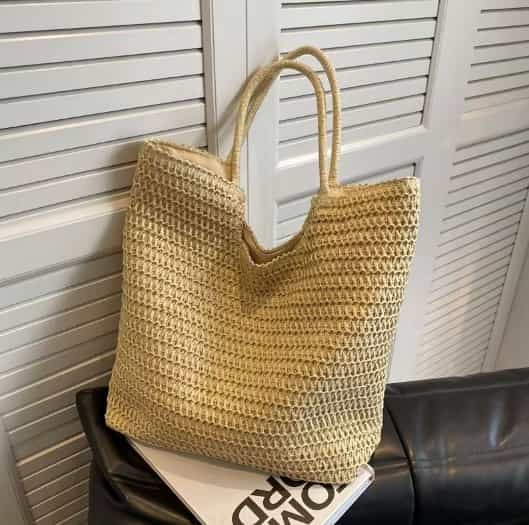
4. Pricing & Cost Structure
Madagascar:
- Raw material cost: low
- Labor cost: low to medium (handweaving)
- Shipping cost: higher
- Tariffs: may get preferential EU access
- Best for: small orders
China:
- Raw material cost: low to medium (imported or synthetic)
- Labor cost: low for machine work
- Shipping cost: lower
- Tariffs: standard duties, sometimes eco-tariffs or anti-dumping
- Best for: large volumes and fast shipping
What this means for you: Small order? Madagascar might surprise you. Big volume? China is the clear winner.
A Detailed Cost Comparison – Madagascar vs. China
Understanding the full cost picture helps you make an informed decision.
| Cost Factor | Madagascar | China | Difference |
|---|---|---|---|
| Wholesale cost (basic tote) | $8–15 | $4–8 | Madagascar costs 2x more |
| Wholesale cost (crochet/premium) | $15–30+ | $8–15 | Madagascar costs 2x more |
| Labor cost | High – artisan wages | Lower – factory production | Madagascar labor is the main cost driver |
| Material cost | Lower – local raffia | Higher – imported raffia | Madagascar has material advantage |
| Shipping cost | Higher – remote location | Lower – major ports | China shipping is cheaper and faster |
| Duty/tariff | Varies by destination | Varies by destination | Both subject to same import duties |
| Sample cost | $30–80 | $20–50 | China samples are cheaper |
| MOQ | 300–500+ pieces | 100–500+ pieces | China offers lower MOQs |
The bottom line: Madagascar costs more because of artisan labor and shipping. China costs less because of scale and logistics. The price difference is real – but so is the quality and story difference. Only you can decide if the premium is worth it for your brand and target market.
How to Calculate Landed Cost for Each Region
Unit price is only part of the story. Here’s how to calculate your true landed cost.
Landed cost components:
| Cost Component | What It Includes | Madagascar | China |
|---|---|---|---|
| Unit price | Bag wholesale cost | $8–15 | $4–8 |
| Shipping | Freight to your country | Higher | Lower |
| Import duties | Taxes and tariffs (5–15%) | Varies | Varies |
| Insurance | Shipping insurance | Optional | Optional |
| Sample fees | Sample costs | $30–80 | $20–50 |
| Customs fees | Brokerage, documentation | Varies | Varies |
| Total landed cost | All costs combined | Higher | Lower |
How to calculate:
| Step | Action |
|---|---|
| 1 | Add unit price + shipping + insurance |
| 2 | Add import duties (duty rate × (unit price + shipping)) |
| 3 | Add sample fees (amortized across order) |
| 4 | Add customs and brokerage fees |
| 5 | Divide by the number of units |
The bottom line: Don’t just compare unit prices. Compare landed cost – what you actually pay to get the bag to your door. Madagascar may have a higher unit price, but the higher perceived value often justifies the premium. China may have lower unit prices, but shipping and duties can add up. Always calculate your total landed cost before you decide.
5. Sustainability & Ethical Story
Madagascar:
- Wild-harvested, biodegradable, low carbon footprint
- Fair trade certifications possible
- Storytelling value: very high — supports local communities and unique craftsmanship
China:
- Mixed — PP raffia is plastic-based
- Some factories use recycled PP
- Certifications available: BSCI, ISO, recycled content
- Storytelling value: medium — “efficient” but not exactly romantic
My two cents: For green/ethical branding, go with Madagascar. For certified mass production, China works fine.
Pick a Madagascar raffia manufacturer if:
- You sell premium natural fiber bags (boutiques, resort wear, eco-brands)
- Your customers love the whole handmade authenticity and storytelling angle
- You need low MOQs (100–500 pieces)
- You’re okay with longer lead times and some natural variation in color or texture
Pick a China raffia manufacturer if:
- You need high volume (10,000+ pieces) with super consistent quality
- You want custom colors, logos, zippers, linings, or leather straps
- You’re selling PP raffia (synthetic) tote bags for beach or travel use
- You care most about cost efficiency and fast shipping
What Certifications to Look for in Each Region
Certifications prove your sustainability claims.
| Certification | What It Means | Madagascar | China |
|---|---|---|---|
| BSCI | Ethical labor standards | Harder to find | ✅ Common |
| SA8000 | Social accountability | Limited | ✅ Available |
| OEKO-TEX | No harmful chemicals | Available | ✅ Common |
| GOTS | Organic fibers | Limited | Available |
| ISO 14001 | Environmental management | Rare | ✅ Common |
| Fair Trade | Fair wages and conditions | ✅ Available | Limited |
| Local artisan certification | Authentic handmade | ✅ Common | Not applicable |
What to look for by region:
| Region | Priority Certifications | Why |
|---|---|---|
| Madagascar | Fair Trade, local artisan groups | Proves ethical artisan production |
| China | BSCI, SA8000, OEKO-TEX | Proves factory compliance |
| Both | ISO 14001 | Proves environmental management |
The bottom line: Certifications prove your claims. Madagascar requires certifications that focus on artisan welfare, while China requires factory compliance certifications. If a supplier can’t provide either, assume their sustainability claims are weak.
How to Vet a Supplier’s Sustainability Credentials
Before you commit, here’s how to verify a supplier’s sustainability credentials.
Vetting steps:
| Step | What to Do | Why It Matters |
|---|---|---|
| 1 | Request certifications | Verifies their claims |
| 2 | Check certification validity | Ensures certifications are current and legitimate |
| 3 | Ask for audit reports | Shows third-party verification |
| 4 | Request supply chain documentation | Proves traceability |
| 5 | Visit the facility (if possible) | Confirms claims in person |
| 6 | Ask for references | Verifies they’ve worked with other brands |
What to check on certifications:
| What to Check | Why It Matters |
|---|---|
| Issue date | Is it current? |
| Expiry date | Is it still valid? |
| Certification body | Is it a recognized organization? |
| Product name | Does it match your product? |
| Supplier name | Does it match your supplier? |
The bottom line: Vetting takes time, but it’s essential. Request certifications, check their validity, and verify claims. A supplier with nothing to hide will provide documentation gladly. Don’t accept vague sustainability claims – proof is what matters.
Final Verdict
Look, here’s the truth: neither one is universally “better.” It all comes down to your product and your market.
Going for luxury, natural, artisanal vibes? → Madagascar.
Need something scalable, durable, and customizable? → China.
And honestly? A lot of smart brands actually use both:
They source natural raffia from Madagascar for limited-edition collections.
They use Chinese PP raffia for their core, high-volume beach totes.
Madagascar or China – Which One Should You Choose?
The final answer depends on your business.
| If You Want… | Choose |
|---|---|
| Premium quality, artisan story, sustainability | Madagascar |
| Low cost, fast turnaround, volume, customization | China |
| Both – a hybrid approach | Both |
The short version:
- Choose Madagascar if: You’re selling premium bags, want a strong story, and can charge $150+ retail.
- Choose China if: You’re selling entry-level to mid-range bags, need volume, speed, or full customization.
- Choose both if: You want a premium line (Madagascar) and a volume line (China), or want to test designs before committing.
The bottom line: There’s no universally “better” choice – it’s about what fits your brand, your customers, and your margins.
How to Choose Based on Your Brand Positioning
Your brand positioning should guide your sourcing decision. Here’s how to match your brand to the right region.
Brand positioning guide:
| Brand Positioning | Recommended Region | Why |
|---|---|---|
| Premium/Luxury (retail $250+) | Madagascar | Artisan story, authenticity, premium materials |
| Mid-Range ($80–250) | Either – depends on design | Both can work with the right style and finishing |
| Entry-Level/Mass Market (under $80) | China | Lower cost, consistent quality, scale |
| Boutique/Limited Edition | Madagascar | Uniqueness, exclusivity, artisan story |
| Eco-Conscious/Sustainable | Madagascar | Stronger sustainability story, direct impact |
| High-Volume Retailer | China | Fast turnaround, reliable supply, competitive pricing |
How your brand positioning affects your sourcing:
| Brand Element | Madagascar | China |
|---|---|---|
| Story | Strong – artisan heritage | Weak – mass production |
| Price perception | Premium, worth the cost | Affordable, good value |
| Uniqueness | Each bag is unique | Consistent, identical copies |
| Quality | Premium, artisan-controlled | Consistent, machine-assisted |
| Lead time | Longer – plan ahead | Faster – more flexible |
The bottom line: Your brand positioning is the most important factor in your sourcing decision. A premium brand needs the story and quality that Madagascar offers. A volume brand needs the speed and cost that China provides. Choose the region that matches your brand’s identity and customer expectations.
Where Do You Find Reliable Manufacturers?
Madagascar: Try looking for cooperatives on LinkedIn. Or attend trade shows like Première Vision in Paris. Search for “Madagascar raffia cooperative” or “fair trade raffia bags.”
China: Hit up Alibaba, Global Sources, or the Canton Fair. Search for “PP raffia bag manufacturer” or “woven tote bag factory.”
How to Find Manufacturers in Madagascar
Finding reliable manufacturers in Madagascar requires a different approach than China.
Madagascar sourcing channels:
- Artisan cooperatives – Work directly with weaving communities
- Ethical fashion directories – Nova et Sentio, independent artisan networks
- Trade associations – Groupement des Artisans de Madagascar
- Local agents – Sourcing agents with on-the-ground relationships
- Direct visits – Building relationships in person
- Industry events – Trade shows focused on artisan products
What to look for in Madagascar:
| Factor | What to Check |
|---|---|
| Artisan group | Established, fair wages, good working conditions |
| Lead time | Realistic – 45–60 days for bulk |
| Sample policy | Can they make a sample? |
| Communication | Do they respond quickly? |
The bottom line: Madagascar sourcing is relationship-driven. You’ll need to invest time – and possibly travel – to find reliable partners. The payoff is a premium product with an authentic story.
How to Find Manufacturers in China
China sourcing is more structured and platform-driven.
China sourcing channels:
- B2B platforms – Alibaba, Global Sources, Made-in-China
- Trade shows – Canton Fair, Shanghai Textile Fair
- Industry clusters – Shandong (raffia), Guangdong (accessories)
- Sourcing agents – Local agents who vet factories
- Direct visits – Building long-term relationships
What to look for in China:
| Factor | What to Check |
|---|---|
| Verified status | Gold supplier or verified on B2B platforms |
| Rating | 4.5+ stars, high transaction volume |
| On-time delivery | ≥95% |
| Response time | ≤4 hours |
| Sample policy | Clear, reasonable |
| Certifications | ISO, BSCI, or similar |
Red flags in China sourcing:
| Red Flag | What It Means |
|---|---|
| Unrealistically low price | Likely synthetic blends or poor quality |
| No samples available | Can’t guarantee quality |
| Vague about MOQ | May switch suppliers mid-order |
| No workshop photos | May be a trading company |
The bottom line: China sourcing is faster and more scalable, but requires careful vetting. Use B2B platforms, check reviews, order samples, and start with small orders to test reliability.
Need a Hand with Sourcing?
We specialize in connecting buyers with vetted China raffia bag manufacturers. Whether you need custom PP raffia totes, OEM beach bags, or hybrid designs — we can help you scale.