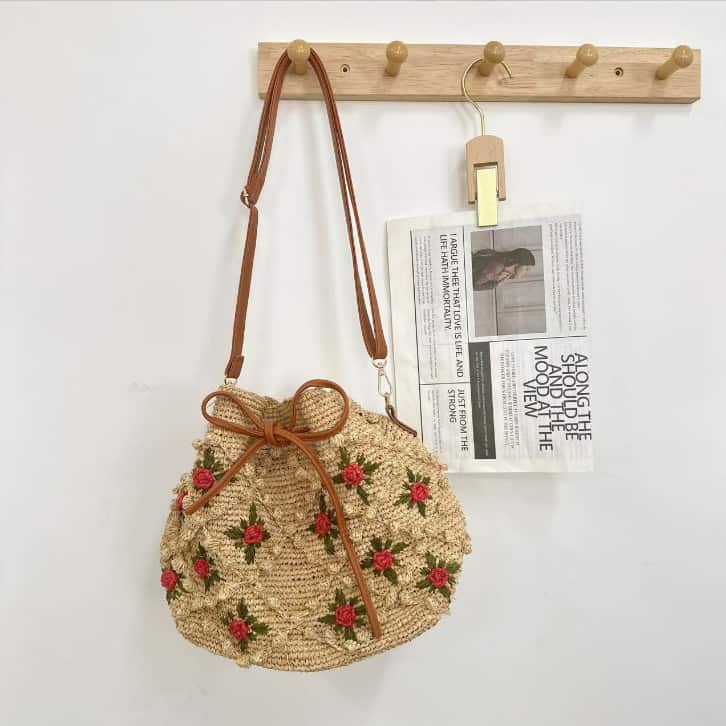
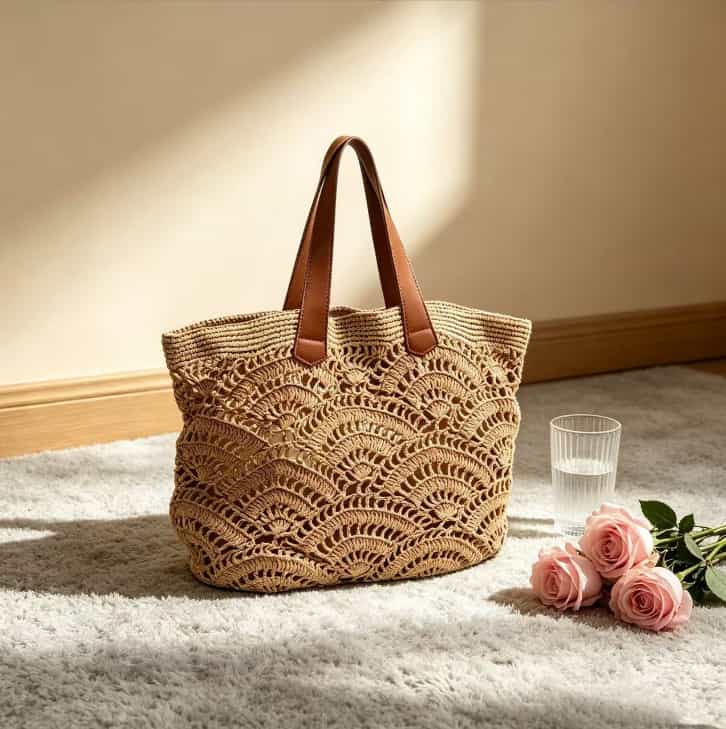
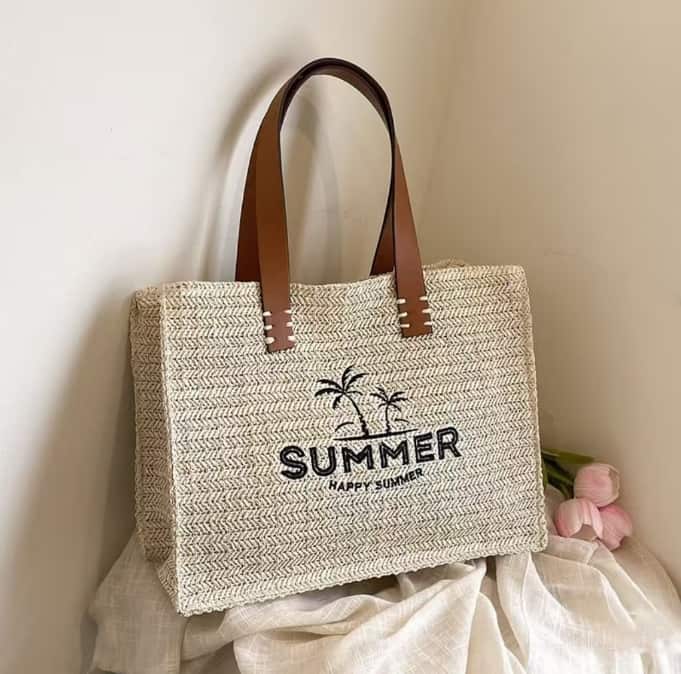
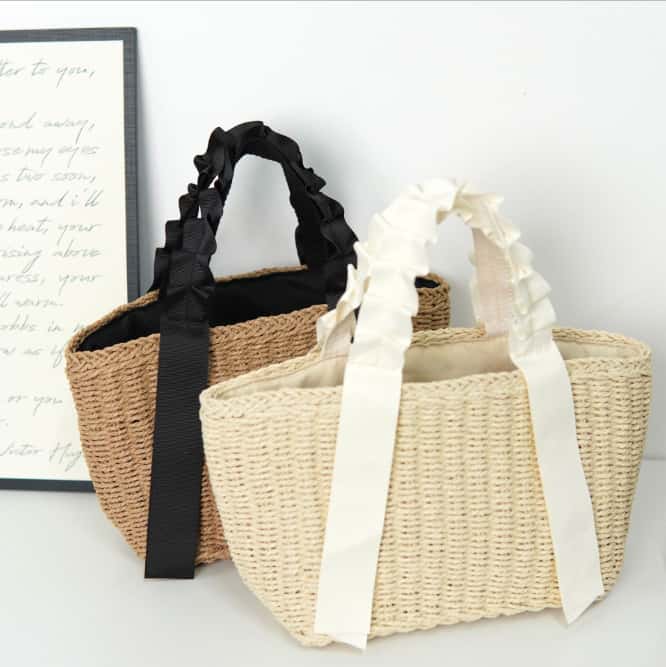
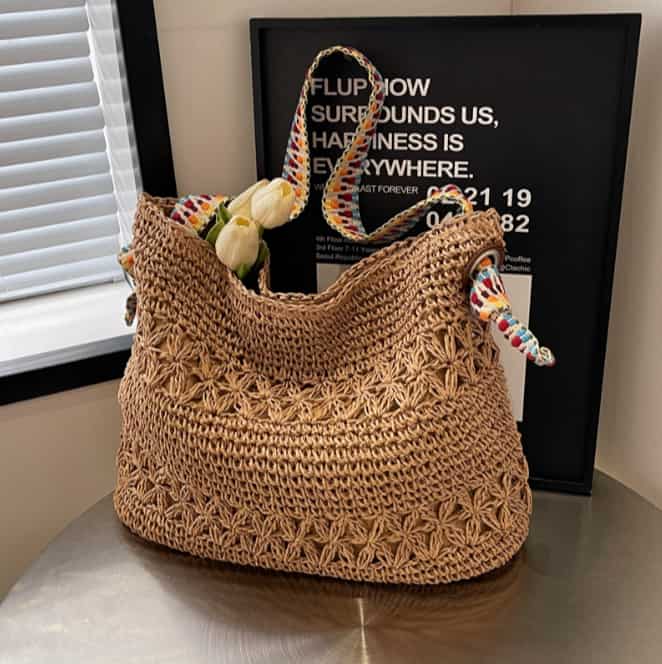
If you’ve ever carried a raffia bag on a sunny day, you might have asked yourself: Is raffia waterproof? And more specifically, Is a raffia bag waterproof? These are fair questions — especially when summer showers can appear out of nowhere. In this article, we’ll give you the honest answer and explain what you need to know.
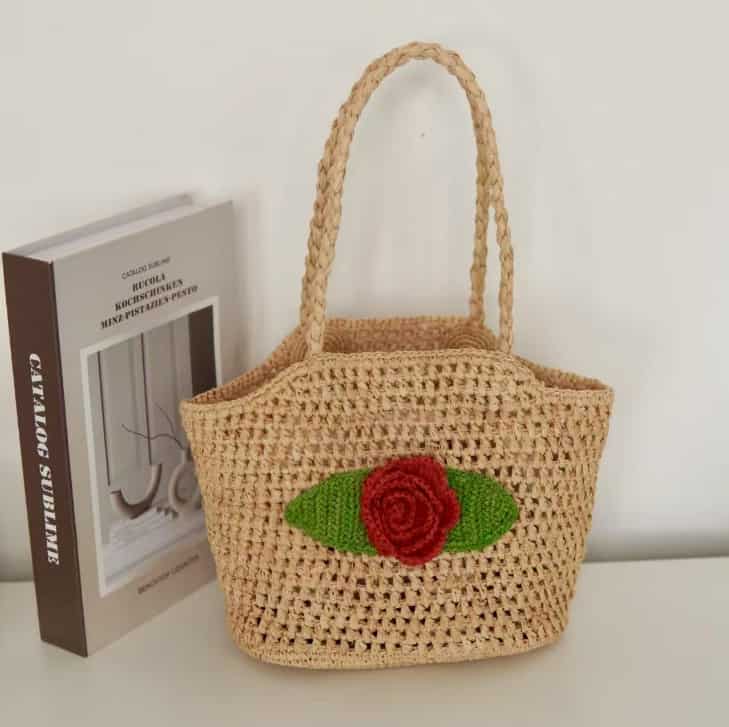
What is Raffia?
Introduction to Raffia
Raffia is a natural palm fiber harvested from the leaves of the raffia palm tree . This palm grows abundantly in tropical regions of Africa, especially Madagascar. The leaves of the raffia palm are the longest in the plant kingdom, reaching up to 25 meters in length.
To obtain the fiber, thin ribbon-like strips are peeled from the underside of young leaves. These strips are then sun-dried, producing the material known as raffia. It is a fully natural, biodegradable, and renewable resource.
Key Characteristics of Raffia
Soft & flexible – Much smoother and more pliable than jute or straw
Lightweight – Easy to wear and carry, ideal for summer accessories
Breathable – Allows air circulation, keeping hats and bags cool
Naturally absorbent – Readily soaks up water (not waterproof)
Biodegradable & renewable – Eco-friendly and compostable
Easy to dye – Can be colored naturally or synthetically
Moderate strength – Durable enough for daily use, but can tear if stressed
Common Uses of Raffia
| Category | Specific Items | Key Advantage | Water Sensitivity |
| Hats | Sun hats, fedoras, bucket hats | Lightweight, breathable | High – avoid rain |
| Bags | Totes, beach bags, clutches | Stylish, natural look | High – treat or keep dry |
| Home Décor | Baskets, placemats, rugs, lampshades | Warm texture, rustic charm | Moderate – indoor use is safe |
Is Raffia Waterproof?
Why It Is Not Truly Waterproof
Despite the waxy exterior, raffia is fundamentally a plant-based cellulose fiber. When exposed to heavy rain or submerged in water, the fibers will absorb moisture. When natural raffia gets wet, several things happen:
- Softening – The fibers become pliable and lose their structural integrity.
- Deformation – As the wet raffia dries, it tends to shrink, warp, or lose its original shape permanently.
- Mold Risk – Because it absorbs water, storing a damp raffia item can lead to mold or mildew growth.
Is natural raffia naturally water-repellent?
Overall, raw raffia fiber is a natural plant material with almost no inherent waterproof function, and its reaction to water varies in different scenarios.
- Will raffia soak up water quickly? Yes. Its porous fiber structure allows moisture to penetrate easily when it comes into contact with water.
- Can it stand up to light splashes? To a certain extent. Brief contact with small water droplets won’t cause immediate damage.
- What happens if it gets fully wet? It will turn soft, deform easily and even develop mildew if kept damp for a long time.
Does weaving change raffia’s water resistance?
Generally speaking, traditional weaving does not improve the waterproof performance of raffia, and may even make it easier for water to seep through.
- Are there gaps between woven raffia threads? Definitely. These gaps become channels for rain and spilled water.
- Will woven raffia dry faster after getting wet? No. The layered structure traps moisture and prolongs drying time.
- Does tight weaving help block water? Only a little. It can slow down water penetration but cannot achieve real waterproofing.
Can daily use affect its ability to resist water?
In daily use, the condition of raffia will gradually change, which also influences its tolerance to water.
- Will worn raffia absorb more water? Yes. Frayed and aged fibers become looser and more absorbent.
- Does dust and dirt impact water resistance? Absolutely. Grime stuck in fibers holds moisture and speeds up damage.
- Can regular cleaning keep its water tolerance stable? Proper cleaning helps, but it cannot restore waterproof ability fundamentally.
How to Boost Raffia’s Water Resistance With Simple Treatments
3 safe treatments to upgrade water repellency, with clear pros & limits.
| Treatment Type | Operation & Advantage | Key Limitation |
|---|---|---|
| Natural plant wax coating | Thin wax seals fiber pores; retains raffia’s rustic soft texture; suitable for bags & hats, reapply every 3 months | Cannot resist heavy rain soaking |
| Odorless food-grade silicone spray | Forms invisible protective film; blocks light splashes; no yellow stains on natural raffia | Loose-weave items need repeated spraying |
| Harsh chemical waterproof spray | Strong short-term water blocking effect | Makes raffia stiff, turns fibers yellow, ruins soft hand-feel (not recommended) |
Extra reminder: No treatment can turn raffia fully waterproof; treated products still cannot stay submerged in water.
Practical Daily Tips to Prevent Raffia Water Damage
Split into 3 usage scenarios to avoid permanent deformation & mold.
Outdoor outing preparation
- Keep a lightweight waterproof storage pouch or dust bag for rainy weather; put raffia hats/bags inside before heading out.
Emergency care for slightly damp raffia
- Shake off surface water droplets gently first
- Air-dry in cool, shaded, well-ventilated space
- Strictly avoid hair dryers, direct sunlight, heaters — high heat causes permanent shrinkage and cracking
Long-term storage moisture control
- Fully air-dry raffia goods before long-term storage
- Place desiccant packets inside storage boxes to cut mold risk
Seasonal usage suggestion
Raffia products fit dry, sunny spring & summer; switch to leather/nylon bags on humid, rainy days.
Consequences of Long-Term Damp Raffia
Light splashes are harmless, but prolonged wetness leads to permanent fiber damage.
- Brittle fibers: Repeated wet-dry cycles remove cellulose flexibility; woven joints fray and break easily
- Irreversible discoloration: Long damp creates uneven yellow/brown stains that cannot be washed off
- Pest breeding: Constant damp attracts moths & small insects that bite holes in the weave
- Loose weaving structure: Moisture loosens interlaced threads, making bags sag and straps snap
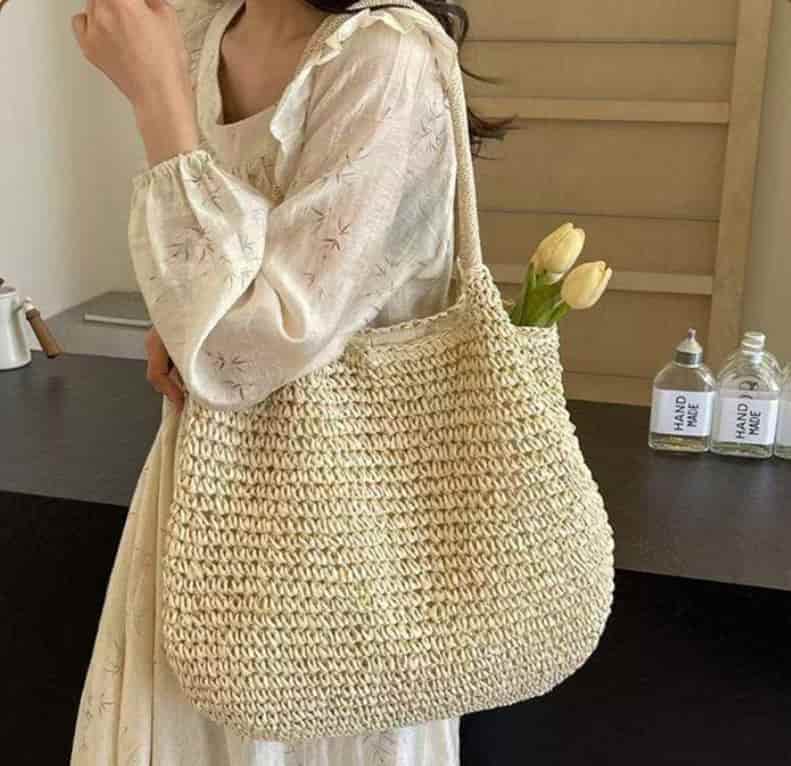
Are Raffia Bags waterproof?
What determines the water resistance of raffia bags?
Overall, the water resistance of raffia bags is governed by raw materials, production craftsmanship and design details, and it has inherent drawbacks.
- Natural raffia fiber is the core limiting factor. This plant-based material has porous structures and absorbs water rapidly.
- Weaving density makes a difference. Tight weaving slows down water penetration, while loose weaving lets water seep through easily.
- Metal hardware and accessories are vulnerable to moisture. They tend to rust after contact with water and may leave stains on the bag.
- Decorative ornaments such as tassels absorb extra moisture and greatly extend the drying time.
- Unsealed stitching and seams form tiny gaps, which become hidden channels for water leakage.
How do raffia bags perform in different wet scenarios?
Overall, raffia bags show varied performances when exposed to humidity, splashes, drizzle and heavy rain.
| Wet Scenarios | Performance of Raffia Bags |
| Long-term humid environments | Causes mildew, discoloration and fiber deterioration. |
| Short-time light drizzle | Causes little harm; prolonged exposure will dampen the whole bag. |
| Moderate rain | Quickly penetrates woven layers and wets the contents inside. |
| Fully soaked | Fibers turn limp, leading to permanent deformation and loose structure. |
| Accidental daily water splashes | No damage if the surface is dried in time. |
Can fully lined raffia bags improve water protection?
Overall, inner linings can only provide limited water resistance and cannot turn raffia bags into fully waterproof products.
- Ordinary fabric linings cannot block water thoroughly, for they will absorb moisture gradually.
- Waterproof linings can protect personal belongings inside, yet they fail to prevent the outer raffia from getting wet.
- Bags with linings take longer to dry, because moisture is trapped between the lining and woven surface.
- Seams on the lining still have small holes, so water can seep in under heavy wet conditions.
Can processed raffia bags achieve real waterproofing?
Overall, raffia bags with special treatments only gain enhanced water repellency, rather than complete waterproof capability.
- Surface waterproof coatings offer temporary protection, and the effect will fade due to friction and daily cleaning.
- Raffia bags blended with synthetic fibers absorb less water, but they still cannot resist continuous rain.
- Most waterproof treatments will alter the original soft texture, breathability and natural appearance of raffia.
- The protective effect of professional water-resistant treatments generally lasts for 2 to 3 months with regular use.
What actually happens when a raffia bag gets wet?
Overall, prolonged dampness and repeated soaking will bring multiple damages to raffia bags.
| Potential Damages | Specific Performance |
| Shape change | Wet fibers lose toughness, causing the bag to sag, wrinkle and deform. |
| Mold & odor | Long-term dampness leads to mildew growth and unpleasant smells. |
| Color issue | Low-quality dyes will fade or bleed after contact with water. |
| Fiber damage | Frequent wetting destroys fiber structure, making the bag fragile, frayed and easy to tear. |
How to enhance the water Resistance of Raffia Products?
Can inner linings upgrade water protection?
Overall, upgraded linings provide extra water resistance for raffia bags.
| Lining Type & Treatment | Effect |
| Waterproof inner lining | Protects internal items from getting wet |
| Reinforced seam stitching | Reduces water leakage through gaps |
| Limitation | Cannot prevent the outer raffia from being soaked |
Will mixed material weaving improve water resistance?
Overall, mixed material weaving optimizes the material properties fundamentally.
Material matching: Mix raffia with water-resistant synthetic fibers.
Product performance: Lower water absorption while maintaining natural style.
Scope of use: This technique only applies to newly manufactured products.
How should we maintain wet raffia products correctly?
Overall, proper after-care for wet raffia can prevent secondary damage and indirectly maintain its water resistance.
- Place wet raffia items in a cool and ventilated area for natural air drying, never expose them to direct sunlight.
- Do not squeeze or twist the fibers when wet, otherwise permanent deformation will occur.
- Fully dry the products before storage to avoid mildew caused by residual moisture.
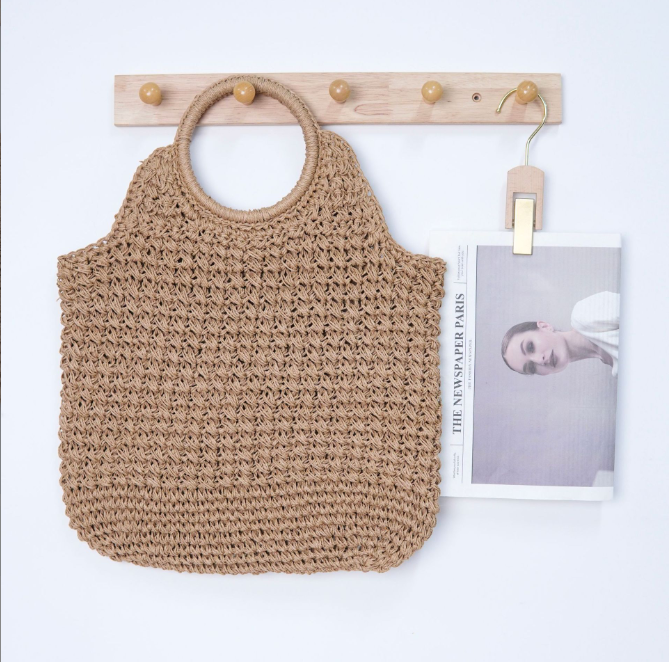
How to Choose the Right Raffia Bag for Different Weather Conditions
Not all raffia bags perform the same in different weather. Here’s how to choose the right bag for your climate and lifestyle.
Raffia bag selection by weather type:
| Weather Type | Recommended Bag Features | What to Avoid |
|---|---|---|
| Light rain / drizzle | Tight weave, cotton lining, water-resistant coating | Open weave, no lining |
| Heavy rain / storms | PVC or treated raffia, synthetic lining, sealed seams | Natural raffia, cotton lining |
| High humidity | Loose weave, breathable, mold-resistant treatment | Tight weave (traps moisture), no treatment |
| Hot sun / dry | Natural raffia, no coating, light colors | Dark colors (absorb heat), heavy coatings |
| Beach / sand | Loose weave (sand falls through), lightweight | Tight weave (traps sand), leather handles |
Geography-based recommendations:
| Region | Climate | Best Raffia Bag Type |
|---|---|---|
| Europe (UK, Northern Europe) | Frequent light rain, humidity | Tight weave, water-resistant coating, cotton lining |
| Mediterranean (Spain, Italy, Greece) | Hot, dry summers, occasional showers | Natural raffia, loose weave, breathable |
| North America (East Coast) | Four seasons, varied weather | Tight weave, coated, versatile for all seasons |
| North America (West Coast) | Mild, occasional rain | Natural raffia, light water resistance |
| Southeast Asia | High humidity, frequent rain | Synthetic blend, treated raffia, PVC coating |
| Australia | Hot, dry, occasional summer storms | Natural raffia, breathable, quick-drying |
The bottom line: Choosing the right raffia bag for your climate ensures longevity and customer satisfaction. Consider the typical weather conditions in your region and select bags with features that match.
Which Raffia Bag Features Are Best for Your Climate?
Choosing the right raffia bag depends on where you live. Different climates require different features to keep your bag looking its best.
Climate-based feature recommendations:
- Humid tropical – Choose a loose weave with no leather. It breathes better and resists mold. Quick-drying and breathable materials prevent moisture buildup and mildew.
- Dry desert – Go with natural raffia and no coating. Tight weave and light colors retain moisture, prevent brittleness, and don’t attract heat.
- Temperate four-season – Pick a versatile design with moderate weave and cotton lining. Works across seasons and adapts to varying weather conditions.
- Rainy coastal – Select water-resistant coating with tight weave and synthetic or protected lining. Protects from moisture, salt air, and humidity.
- Hot urban – Choose lightweight, breathable, light-colored raffia. Stays comfortable in heat and doesn’t absorb heat from the sun.
Simple guide by location:
| Climate Example | Best Bag Type |
|---|---|
| Singapore (humid) | Loose weave, no leather |
| Arizona (dry) | Natural raffia, no coating |
| London (rainy) | Tight weave, water-resistant coating |
| California (mild) | Natural raffia, light water resistance |
The bottom line: Matching raffia bag features to your climate ensures your bag lasts longer and looks better. Help your customers choose the right features for their environment – a bag that works in one climate may not work in another.
How to Choose the Right Bag for Your Own Climate
If you’re buying for yourself or your store, here’s a simple decision guide.
Simple climate-based selection:
| Your Climate | Best Bag Type | What to Look For |
|---|---|---|
| Lots of rain | Treated or coated raffia, tight weave, synthetic lining | Water-resistant treatment, sealed seams |
| High humidity | Loose weave, breathable, natural raffia | No leather, quick-drying materials |
| Hot and dry | Natural raffia, light colors, no coating | Lightweight, breathable, natural fibers |
| Mild weather | Natural raffia, any style | Choose based on style preference – weather isn’t a concern |
| Beach destination | Loose weave, lightweight, sand-friendly | Open weave, easy to clean, quick-drying |
The bottom line: Choose raffia bags that match your local weather conditions. A bag that works in a dry climate may not hold up in a humid one. Consider your environment before buying.
How to Care for Raffia Bags in Different Seasons
Proper care extends the life of a raffia bag and ensures it looks good season after season. Here’s a seasonal care guide.
Seasonal care guide:
| Season | Care Focus | What to Do |
|---|---|---|
| Spring | Refresh after winter storage | Air out the bag, brush off dust, check for moisture damage |
| Summer | Protect from sun and water | Avoid prolonged sun exposure, shake out sand and dirt |
| Fall | Prepare for rain and humidity | Apply water-resistant treatment, clean before storage |
| Winter | Store properly | Store in a cool, dry place, use a dust bag, don’t overstuff |
Year-round care practices:
| Practice | How to Do It | Why It Matters |
|---|---|---|
| Regular cleaning | Spot clean with a damp cloth, air dry completely | Prevents dirt buildup and damage |
| Storage | Store flat or upright, avoid overstuffing | Maintains shape and prevents stretching |
| Moisture prevention | Avoid getting the bag too wet, dry immediately if wet | Prevents mold and deformation |
| Sun protection | Avoid prolonged direct sunlight | Prevents fading and brittleness |
What to do if your bag gets wet:
| Situation | What to Do | What Not to Do |
|---|---|---|
| Light rain / drizzle | Shake off excess water, air dry in shade | Don’t use a hair dryer or heat source |
| Heavy rain / soaked | Blot with a towel, stuff with paper to maintain shape, air dry | Don’t wring or twist – it damages the weave |
| Mold or mildew | Wipe with vinegar solution (1:1 vinegar and water), air dry in sun | Don’t use bleach – it damages the fibers |
The bottom line: Seasonal care is simple but essential. A few minutes of care can extend the life of a raffia bag by years. Share these tips with your customers to help them keep their bags looking great.
how to Store Raffia Bags Between Seasons
Proper storage between seasons prevents damage and extends bag life. Here’s how to store them correctly.
Storage step-by-step:
| Step | What to Do | Why It Matters |
|---|---|---|
| 1 | Clean the bag thoroughly before storing | Removes dirt and oils that can attract pests or mold |
| 2 | Make sure the bag is completely dry | Prevents mold and mildew during storage |
| 3 | Store flat or upright, not folded | Prevents creases and maintains shape |
| 4 | Use a fabric dust bag, not plastic | Allows air circulation, prevents moisture buildup |
| 5 | Add silica gel packets to absorb moisture | Prevents mold and mildew |
| 6 | Store in a cool, dry place away from sunlight | Prevents fading, brittleness, and mold |
How to store raffia bags over winter:
- Clean the bag thoroughly
- Apply a protective spray (if needed)
- Stuff with tissue paper to maintain shape
- Place in a cotton dust bag
- Store in a dry, cool place away from heat sources
How to store raffia bags for summer travel:
- Choose a lightweight, breathable bag
- Store in a dust bag when not in use
- Avoid storing in hot cars or direct sunlight
The bottom line: Proper storage prevents damage and extends the life of your raffia bag. A few minutes of care before storage can save you from mold, fading, and shape loss.
How to Revive a Raffia Bag After Seasonal Storage
If your raffia bag has been stored for a while, here’s how to bring it back to life.
Revival steps:
| Step | What to Do | Why It Matters |
|---|---|---|
| 1 | Check for mold, dust, or damage | Identifies issues before you start |
| 2 | Gently brush off dust with a soft brush | Removes surface dust without damaging fibers |
| 3 | Spot clean any stains or discoloration | Restores appearance |
| 4 | Air out in a well-ventilated area | Removes any musty smell |
| 5 | Reshape if needed (light misting + air dry) | Restores the bag’s original shape |
How to remove musty smells:
- Air out in a well-ventilated area for 1–2 days
- Place a cotton bag of baking soda inside and leave for 24–48 hours
- Sprinkle with cornstarch, leave overnight, then brush off
The bottom line: Bags stored for long periods need some attention before use. Follow these steps to revive your raffia bag and make it look and feel like new again. A little care goes a long way.
Conclusion
the next time you reach for your favorite raffia bag under the bright sun, you already know the clear answer: natural raffia is not fully waterproof, and raffia bags can only handle light splashes and brief drizzles. While summer showers can be unexpected, a little care and awareness will keep your raffia bag looking beautiful and long-lasting. After all, the charm of raffia lies in its natural, breezy character — and with the right protection, you can enjoy it worry-free all season long. Feel free to contact us anytime if you have further questions or needs.