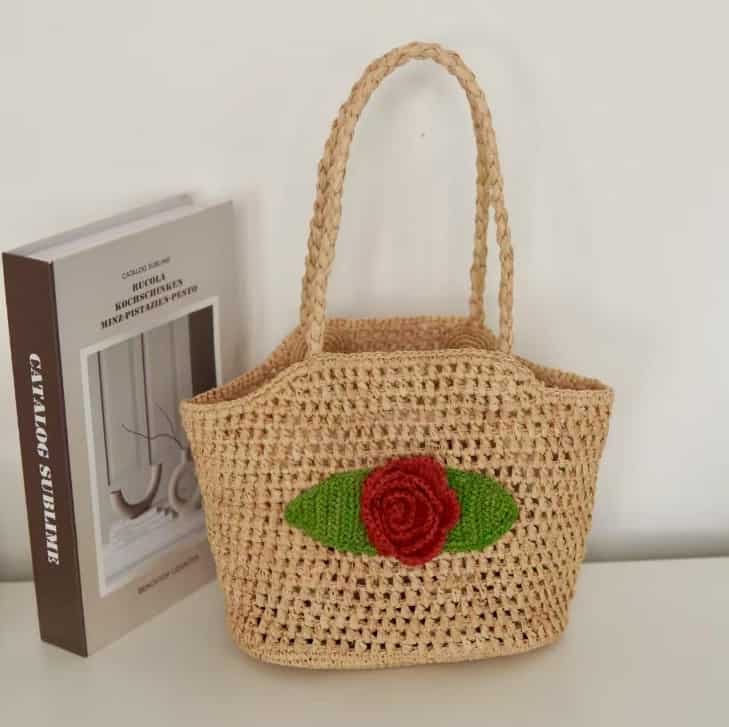
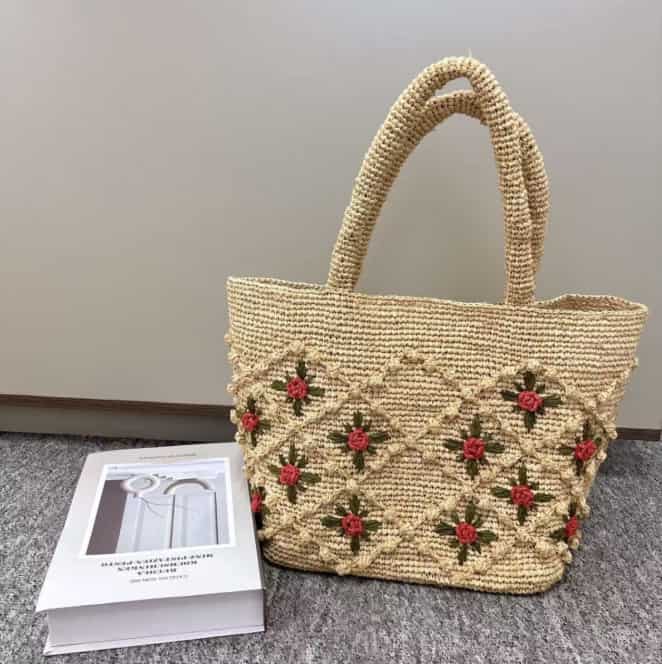
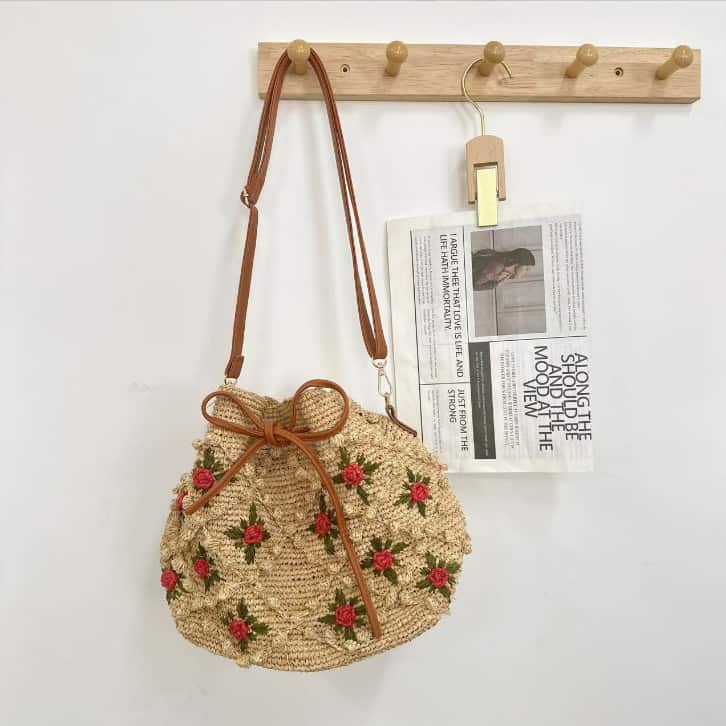
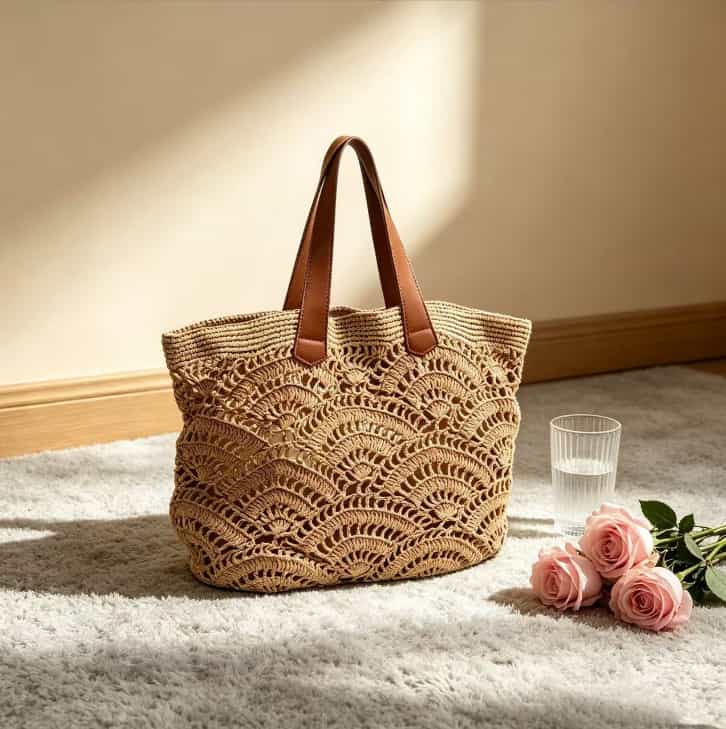
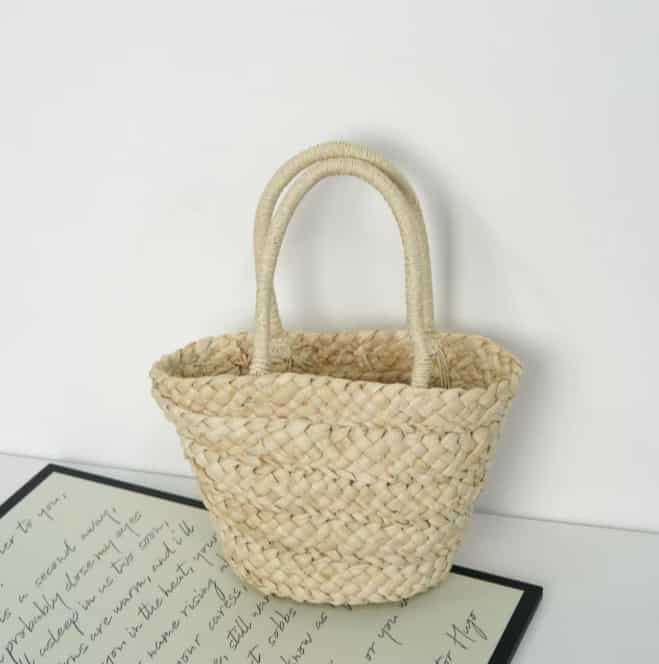
Let’s be honest — finding a good handwoven raffia tote bag factory isn’t like buying regular products off a shelf. You’re not just looking for a supplier. You’re looking for someone who actually understands craftsmanship, hits deadlines, and doesn’t cut corners.
And here’s the thing — the market for raffia bags is growing like crazy. Consumers love the natural look, the eco-friendly story, and that artisanal feel. But behind every beautiful bag? There’s a factory that either made it happen — or messed it up.
So how do you find the right one? Let’s walk through it.
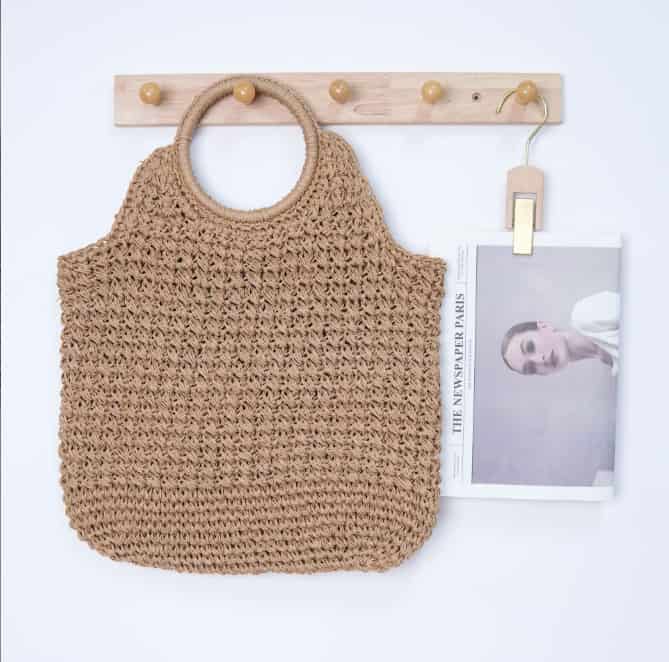
Where Are the Main Raffia Bag Manufacturing Hubs?
If you’re sourcing raffia bags for wholesale, you’ll come across suppliers from a few different places. Each one has its own pros and cons.
China – The Scaling Powerhouse
China is still the big player here, especially in Guangdong and Shandong. Why? Because factories there do everything in one place — from raw material to finished packaging. That means faster turnaround and smoother shipping. Plus, they’re good at mixing raffia with leather, metal hardware, and custom linings.
Vietnam – The Cost-Effective Alternative
Vietnam is becoming a real competitor, especially if you’re watching your budget. You can often get 10–15% lower prices compared to mid-tier Chinese suppliers. And more Vietnamese factories are starting to adopt international compliance standards, which is a plus if ethics matter to your brand.
India – The Artisanal Player
India has some solid raffia bags manufacturer exporters too, especially ones with ethical manufacturing credentials. They tend to focus on premium, handcrafted designs — think luxury boutiques and high-end export markets.
What to Look for in a Handwoven Raffia Tote Bag Factory
Not all factories are created equal. Here’s what actually matters when you’re evaluating them.
Production Capacity and Scalability
First question — can they handle your order size?
Some factories are built for big volumes. Others are great at custom work but can’t scale up. You need to match the factory to your needs, not the other way around.
Questions to ask:
- What’s your typical order size?
- Have you done orders like mine before — 100, 500, 1,000+ units?
- What if I suddenly need to double my order?
Quality Control Process
This is where the good ones separate themselves from the rest.
Look for factories that check quality at multiple stages — not just a quick look at the end. The best ones have a clear system.
What to ask for:
- A breakdown of their QC steps
- Physical samples before bulk production
- Close-up photos of handles, bottom, lining, and zipper attachments
Response Time and Communication
This might seem small, but trust me — it tells you a lot.
If a factory takes three days to reply to your first email, imagine what happens when there’s a problem during production. Good communication upfront usually means they’ll keep you in the loop later too.
Customization Capabilities
Need a custom raffia bag? Your logo, specific colors, unusual sizes?
Make sure they can actually do it. Some suppliers specialize in full OEM/ODM with design help. Others just stick to their catalog and call it a day.
Compliance and Ethical Standards
If you’re selling to eco-conscious consumers, this matters more every year.
Look for suppliers who can tell you where their raffia comes from and what’s in their dyes. Material traceability is becoming a standard ask in Europe and North America.
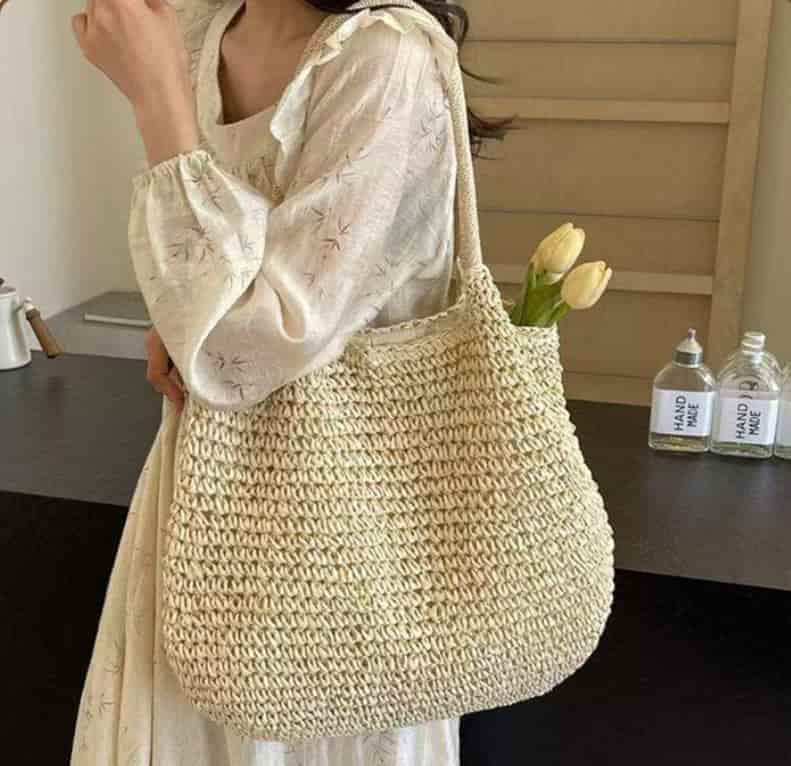
How to Start Your Factory Search – Step by Step
Step 1: Build Your Shortlist
Start with some basic research. B2B platforms like Alibaba are a decent place to begin — but don’t stop there. Trade shows, industry directories, even Instagram can turn up suppliers you’d never find otherwise.
Here’s a simple framework to help you sort through the noise:
| Factor | What to Check | Red Flag |
| Years in business | How long have they been making raffia bags? | Brand new, no track record |
| Review score | What are past buyers saying? | Below 4 stars or zero reviews |
| Response time | How fast do they reply? | Takes more than 24 hours |
| MOQ | Can they match your order size? | Too high or they won’t give a straight answer |
| Sample policy | Will they send a sample? | Flat-out refuses |
Here’s my advice: Shortlist 3–5 factories that look decent. Don’t just go with the first one you find. And definitely don’t pick the cheapest — pick the one that actually answers your questions clearly.
Step 2: Go Beyond the Website
This is where most buyers stop. And honestly? That’s a mistake.
A good-looking website doesn’t tell you much. Here’s what actually works:
- Ask for workshop photos. Not the showroom — the real production floor. See where the bags are actually made.
- Request a video call. Walk through the space with them. A legit factory won’t say no.
- Check their export experience. Ask about past shipments. Which countries do they export to? How long have they been handling export paperwork?
- Ask about their weavers. How many do they have? Are they full-time or on-call? This tells you if they can deliver consistent quality.
Step 3: Run a “Test Order” Before the Real One
Here’s something a lot of buyers skip — and regret later.
Before you commit to a big order, test them with a small one. Think of it as a dry run. You’re checking quality, packaging, delivery, communication — everything.
Here’s what to look for in your trial run:
| What to Check | What You Want to See |
| Quality | Matches your sample — same weave, same feel |
| Packaging | Arrives clean, no crushing, no musty smell |
| Timing | Ships on the date they promised |
| Communication | They keep you updated without you chasing them |
| Paperwork | All shipping documents are correct and complete |
If any of these fail, congratulations — you just saved yourself from a much bigger disaster. If everything passes, you might have found your guy.
Step 4: Lock in Your Partnership (Before You Need It)
Found a factory that works? Great. But don’t just place an order and disappear. Build the relationship now — before you’re in a rush and need a favor.
Here’s how to set yourself up for a smooth long-term partnership:
- Share your long-term plan. Let them know you’re in it for multiple seasons, not just one order. Factories treat repeat buyers better.
- Ask about their busy season. When do they get slammed? Plan your orders around their calendar and you’ll get better service.
- Request a dedicated contact. One person who knows your account, your specs, and your preferences. Saves you from repeating yourself every time.
- Keep batch samples. Save one bag from each production run. If there’s a dispute later, you have a physical reference.
- Pay on time. Simple but powerful. Suppliers remember who pays late. Don’t be that person.
One more thing: Good suppliers are busy. If you only reach out when you need something, you’re just another name in their inbox. A quick “how’s everything going” now and then can go a long way when you need a rush order or a favor.
How to Verify a Factory’s Claims Before You Visit
Not every factory is what they claim to be. Here’s how to verify their credentials without traveling.
What to verify before you commit:
| What to Verify | How to Check | Red Flag |
|---|---|---|
| Factory ownership | Check business registration documents | Can’t provide registration or vague about ownership |
| Employee count | Ask for photos of the workshop floor | Only show showroom photos, no workers visible |
| Production capacity | Ask about current order volume and availability | “We can do anything” with no specifics |
| Export experience | Request past shipping documents or references | Hasn’t exported before or can’t provide proof |
| Certifications | Request ISO, BSCI, or OEKO-TEX certificates | No certifications or expired ones |
| Client references | Ask to speak with past clients | Won’t share references |
Verification checklist:
- Do a video call – Walk through the production floor with them in real-time
- Ask for batch photos – Request photos of current production, not catalog shots
- Check their B2B platform rating – Alibaba, Global Sources, or other platform reviews
- Request a sample – Physical product tells you more than any claim
- Start with a small order – Test before you commit to volume
The bottom line: A legitimate factory will provide proof. Vague answers, no photos, no references — these are all red flags. Verify before you visit, and visit before you commit to large orders.
What to Verify Before You Commit – A Pre-Order Checklist
Before you place your first order, verify these key points to avoid costly mistakes.
Pre-order verification checklist:
| What to Verify | How to Check | Red Flag |
|---|---|---|
| Factory ownership | Check business registration documents | Can’t provide registration or vague about ownership |
| Employee count | Ask for photos of the workshop floor | Only show showroom photos, no workers visible |
| Production capacity | Ask about current order volume and availability | “We can do anything” with no specifics |
| Export experience | Request past shipping documents or references | Hasn’t exported before or can’t provide proof |
| Certifications | Request ISO, BSCI, or OEKO-TEX certificates | No certifications or expired ones |
| Client references | Ask to speak with past clients | Won’t share references |
Verification checklist:
- Do a video call – Walk through the production floor with them in real-time
- Ask for batch photos – Request photos of current production, not catalog shots
- Check their B2B platform rating – Alibaba, Global Sources, or other platform reviews
- Request a sample – Physical product tells you more than any claim
- Start with a small order – Test before you commit to volume
The bottom line: A legitimate factory will provide proof. Vague answers, no photos, no references — these are all red flags. Verify before you visit, and visit before you commit to large orders.
Red Flags That Should Make You Walk Away
Not every factory is worth working with. Here’s when to walk away.
Red flags to watch for:
| Red Flag | What It Looks Like | Why It’s a Problem |
|---|---|---|
| No samples available | “Trust us, the quality is good.” | You can’t verify quality before bulk |
| Vague pricing | Won’t give a clear breakdown | Hidden fees will appear later |
| Pushy sales tactics | “This deal is only available today” | They’re rushing you into a bad decision |
| No workshop photos | Can’t show you the production floor | They might be a trading company |
| Unrealistic promises | “100% perfect quality guaranteed” | No one can guarantee that |
| Avoids contracts | “We don’t need a contract” | Leaves you unprotected |
What to do when you see a red flag:
| Red Flag | Action |
|---|---|
| No samples | Walk away. Immediately. |
| Vague pricing | Ask for a detailed breakdown. If they refuse, walk away. |
| Pushy sales | Slow down. Don’t make rushed decisions. |
| No workshop photos | Request a video call. If they refuse, walk away. |
| Unrealistic promises | Ask for details. If they can’t explain, walk away. |
| Avoids contracts | Insist on a written agreement. If they refuse, walk away. |
The bottom line: Red flags are warnings. Don’t ignore them. If something feels off, trust your instincts — and walk away.
How to Use Video Calls to Verify Factory Credibility
A video call is one of the most effective ways to verify a factory’s credibility without visiting in person. Here’s how to do it right.
What to ask for during a video call:
- Walk through the production floor – See the actual workshop where bags are made, not just a showroom
- Show the raw materials – Ask to see the raffia fibers being stored and prepared
- See the artisans at work – Watch the weaving process in real-time
- Show the QC area – See where and how quality checks are performed
- Show finished goods – See completed bags waiting for shipment
What to look for during the call:
- Active production – Workers should be actively weaving, not standing around
- Clean, organized workspace – Indicates professionalism and care
- Raw materials visible – Shows they actually have materials on hand
- Finished goods ready to ship – Indicates they have real orders and capacity
- Natural lighting – Helps you see the true color and quality of materials
Red flags during a video call:
| Red Flag | What It Means |
|---|---|
| Refuses to show the workshop | They might be a trading company, not a factory |
| Only shows a showroom | They’re hiding the production process |
| Workers aren’t actually working | Might be staged for the call |
| Messy or disorganized space | Indicates poor management |
| Can’t show raw materials | They might not have materials in stock |
The bottom line: A video call is the next best thing to a factory visit. Use it to verify production capabilities, quality control, and professionalism. If a supplier refuses, it’s a red flag.
How to Check a Supplier’s Export Track Record
A supplier with a strong export track record is more likely to be reliable. Here’s what to check.
What to ask about export experience:
| Question | Why It Matters |
|---|---|
| “Which countries do you export to?” | Shows experience with international shipping and customs |
| “What’s your largest export order?” | Indicates production capacity and capability |
| “Can you share shipping documents from past orders?” | Provides proof of actual export experience |
| “How long have you been exporting?” | Longer experience usually means more reliable processes |
| “Can you provide references from past clients?” | Shows they have satisfied customers |
How to verify export claims:
- Ask for a sample commercial invoice or bill of lading (with sensitive info removed)
- Check the supplier’s B2B platform profile for export history
- Look for shipping marks or labels on product photos
- Ask about their freight forwarder – a specific answer indicates real experience
- Request client testimonials or references
Red flags in export claims:
| Red Flag | What It Means |
|---|---|
| “We can export anywhere” without specifics | Probably haven’t exported much |
| Can’t provide any shipping documents | May not have actual export experience |
| No clear answer about freight forwarder | Unfamiliar with the shipping process |
| Vague about past clients | May not have satisfied customers |
The bottom line: A supplier with a strong export track record is more likely to be reliable. Ask specific questions, request documentation, and verify their claims. Real experience shows in the details.
How to Build a Long-Term Factory Partnership
The best supplier relationships are built over time. Here’s how to create a partnership that lasts.
What a long-term partnership gives you:
| Benefit | Why It Matters |
|---|---|
| Priority production | Your orders get done faster |
| Better pricing | Loyalty earns discounts |
| Flexibility | They’ll work with you on deadlines |
| Quality consistency | They know your standards |
| Early access to new styles | You get first pick |
| Problem-solving support | They’ll work with you on issues |
How to build a long-term partnership:
| Action | Why It Works |
|---|---|
| Pay on time | Builds trust and priority service |
| Communicate clearly | Prevents misunderstandings |
| Share your long-term plans | Suppliers treat committed buyers better |
| Visit the factory | Builds personal connection |
| Give feedback | Helps them improve and grow together |
| Be fair with pricing | Don’t squeeze for every penny |
The golden rules of supplier relationships:
- Respect their time – Don’t ask for unrealistic deadlines
- Be honest – Share your challenges and expectations
- Give notice – Let them know about upcoming orders in advance
- Pay fairly – A reliable supplier is worth more than a cheap one
- Stay in touch – Regular communication builds trust
The bottom line: A good supplier is a partner, not just a vendor. Invest in the relationship — pay on time, communicate clearly, and treat them fairly. It pays off in better service, better pricing, and fewer problems over the long term.
How to Build a Partnership That Lasts – The Golden Rules
The best supplier relationships are built over time. Here’s how to create a partnership that lasts.
What a long-term partnership gives you:
| Benefit | Why It Matters |
|---|---|
| Priority production | Your orders get done faster |
| Better pricing | Loyalty earns discounts |
| Flexibility | They’ll work with you on deadlines |
| Quality consistency | They know your standards |
| Early access to new styles | You get first pick |
| Problem-solving support | They’ll work with you on issues |
How to build a long-term partnership:
| Action | Why It Works |
|---|---|
| Pay on time | Builds trust and priority service |
| Communicate clearly | Prevents misunderstandings |
| Share your long-term plans | Suppliers treat committed buyers better |
| Visit the factory | Builds personal connection |
| Give feedback | Helps them improve and grow together |
| Be fair with pricing | Don’t squeeze for every penny |
The golden rules of supplier relationships:
- Respect their time – Don’t ask for unrealistic deadlines
- Be honest – Share your challenges and expectations
- Give notice – Let them know about upcoming orders in advance
- Pay fairly – A reliable supplier is worth more than a cheap one
- Stay in touch – Regular communication builds trust
The bottom line: A good supplier is a partner, not just a vendor. Invest in the relationship — pay on time, communicate clearly, and treat them fairly.
How to Keep Your Supplier Relationship Strong Over Time
Once you have a good supplier, don’t take them for granted. Here’s how to maintain a strong partnership.
How to keep the relationship healthy:
| Action | Why It Works |
|---|---|
| Regular check-ins | Monthly calls or emails show you care |
| Give credit when it’s due | Public recognition builds loyalty |
| Visit when possible | In-person connection builds trust |
| Introduce them to new opportunities | Share leads or referrals |
| Be patient during challenges | Every supplier has bad days |
| Celebrate milestones | Acknowledge anniversaries or big orders |
What to avoid:
| What to Avoid | Why It Hurts |
|---|---|
| Only contacting when you need something | Makes you feel transactional |
| Negotiating aggressively every time | Damages goodwill |
| Complaining without offering solutions | Creates tension |
| Delaying payments | Breaks trust and priority |
The bottom line: A strong supplier relationship is a two-way street. Don’t just take — give back. Regular check-ins, fair treatment, and genuine appreciation go a long way. The best suppliers are not just vendors — they’re partners who help you grow your business.
How to Handle Problems Without Damaging the Relationship
Issues will arise. How you handle them determines whether your partnership survives and grows stronger or falls apart.
How to handle problems constructively:
| Do | Don’t |
|---|---|
| Address issues early – Don’t wait until it’s too late | Ignore problems hoping they’ll fix themselves |
| Be specific – “The handle stitching on batch #5 is loose” | “The quality is bad” |
| Ask for their perspective – “What happened here?” | Blame them without understanding the cause |
| Propose solutions together – “How can we fix this?” | Dictate the solution without discussion |
| Focus on the issue, not the person – “The bag has a defect” | “Your factory can’t make good products” |
| Acknowledge good work – Balance feedback with praise | Only point out problems |
What to say when issues arise:
| Scenario | What to Say |
|---|---|
| Quality issue | “We noticed this issue in the last batch. Could we work together to prevent it next time?” |
| Late delivery | “We missed the delivery date. What happened on your end, and how can we avoid this in the future?” |
| Miscommunication | “We seem to have misunderstood each other. Let’s clarify the specs again.” |
| Cost increase | “We understand costs change. Could you explain what’s driving the increase?” |
The bottom line: Problems are inevitable. How you handle them defines your partnership. Address issues early, be specific, and work together to find solutions. A supplier who trusts you will go the extra mile when things go wrong.
Wrapping it up
Finding the right handwoven raffia tote bag factory isn’t about luck. It’s about asking the right questions, checking samples, running trial orders, and building real relationships.
Shortlist carefully. Test with a sample. Do a small order first. And don’t be afraid to walk away from a factory that can’t answer your questions.
Ready to find a reliable raffia bag partner?
Contact Rafico Accessories for a custom raffia bag quote or wholesale pricing. We’ll show you how real craftsmanship works.