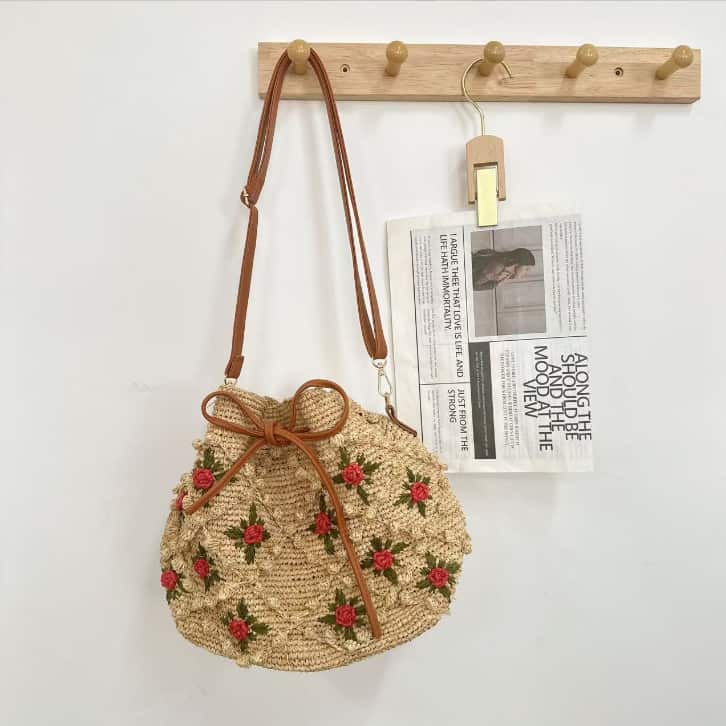
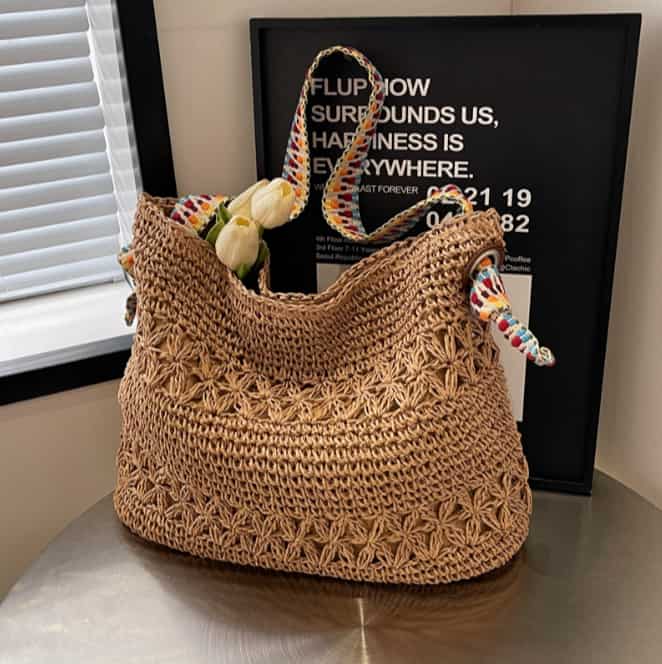
Here’s something I hear from buyers all the time: “I love the look of handwoven raffia purses, but can I get them at a price that actually makes sense for my store?”
The short answer? Yes.
Handwoven raffia purses sit in a sweet spot. They look premium. They feel artisanal. They tell a sustainability story that customers love. But they don’t have to cost a fortune — especially when you’re buying wholesale from the right suppliers.
Let me walk you through why raffia purses are having a moment, what styles are selling, and how to source them without blowing your budget.
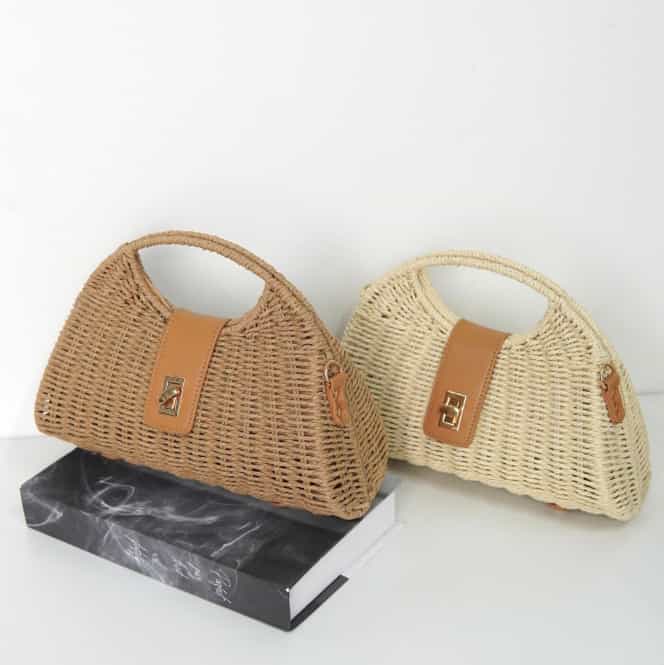
Why Shoppers Love Handwoven Raffia Purses
Raffia purses aren’t just for the beach anymore — they’ve become everyday essentials. Lightweight, breathable, and fully biodegradable, they’re made from natural palm fibers with no synthetics.
But the real appeal isn’t just the material. It’s the story. Each purse is handcrafted by skilled artisans using techniques passed down through generations — in Madagascar, Morocco, India, and beyond.
When you sell a handwoven raffia purse, you’re selling craftsmanship, sustainability, and a connection to the maker. And shoppers are willing to pay $60–400+ for that story.
Why Handwoven Raffia Purses Appeal to Different Types of Shoppers
Not everyone buys a handwoven raffia purse for the same reason. Here’s how different customer segments connect with them.
Different shopper motivations:
| Customer Type | Why They Buy Handwoven Raffia Purses | What They Look For |
|---|---|---|
| Eco-conscious shoppers | Sustainable, biodegradable, plastic-free | Natural fibers, ethical production, minimal packaging |
| Trend followers | A summer staple worn by celebrities | Celebrity-inspired styles, photo-worthy designs |
| Minimalist shoppers | Clean, timeless aesthetic | Neutral colors, simple shapes, quality materials |
| Value-seekers | Versatile purse that works for multiple occasions | Durability, all-season wear, cost-per-wear value |
| Artisan-appreciators | Handcrafted, unique, one-of-a-kind | Handwoven construction, artisan stories, authenticity |
The handwoven raffia purse market spans all these segments, with designers applying different approaches to the trend.
Is Raffia Still Just a Beach Bag?
Here’s a shift I’ve noticed in the last couple of years. Raffia purses used to be strictly seasonal — you’d see them at the beach and nowhere else. But that’s changed.
Today, women are carrying raffia purses:
- To the office – Structured totes with leather handles look professional
- On city commutes – Lightweight enough for walking, spacious enough for daily essentials
- To weekend brunch – Crochet styles add texture to casual outfits
- To evening events – Clutches and mini bags work for weddings and dinner dates
- On vacation – Obviously — but now they’re part of the outfit, not just a “beach bag”
What’s driving this change?
- Designers are elevating raffia — leather trims, structured shapes, metallic finishes
- Shoppers are more conscious about materials and want natural alternatives to plastic and polyester
- The “quiet luxury” trend favors understated, natural textures over loud logos
One more thing: Gen Z shoppers especially are drawn to raffia because it’s photogenic, sustainable, and feels authentic — three things they care about.
What “Affordable Luxury” Really Means for Wholesale Buyers
Shoppers search for “affordable bags” and “wholesale designer handbags.” They want premium looks without premium prices. Raffia purses deliver that.
What “affordable luxury” means in practice:
- Designer look, wholesale price – Raffia purses look like they cost $200–400, but wholesale buyers can get them for $4–15 per unit.
- Artisan feel, not artisan price – Handwoven raffia looks premium and tells a story, but doesn’t carry the same price tag as luxury leather.
- Versatile enough to justify the purchase – Customers buy raffia purses because they work with everything. They feel like they’re getting value.
The bottom line: “Affordable luxury” is what happens when you take a premium-looking product, source it at wholesale rates, and sell it at a price that feels like a deal.
Why “Affordable” Doesn’t Mean “Cheap”
Here’s a trap a lot of retailers fall into. They think “affordable” means “low price.” But that’s not what customers mean when they search for “affordable bags.”
What customers actually want:
- Value for money – Not the cheapest option, but the one that feels worth the price
- Quality materials – They want natural fibers, not synthetic knock-offs
- Durability – A bag that lasts more than one season
- Timeless style – Something that doesn’t look dated next year
What they don’t want:
- The cheapest possible bag that falls apart after a month
- A bag that looks like a bargain bin find
- Something that screams “I bought this on sale”
How to position your raffia purses:
- Don’t compete on price alone. Compete on value. A $120 raffia tote that lasts two years is a better deal than a $40 one that lasts three months.
- Use the word “investment” instead of “budget.” “An investment piece” sounds premium. “A budget option” sounds cheap.
- Highlight the craftsmanship. Customers pay more when they understand the work behind the product.
The bottom line: Affordable doesn’t mean cheap. It means “worth what I paid for it.” If your raffia purses are well-made, you can charge a fair price and still call them affordable. If they’re poorly made, no price is low enough.
The Wholesale Margins That Make It Work
“Affordable luxury” isn’t just good for customers — it’s good for your business. Here’s why the margins work.
The margin math:
| Bag Type | Wholesale Cost | Retail Price | Markup | Profit per Bag |
|---|---|---|---|---|
| Entry-level raffia tote | $4–7 | $30–50 | 5–8x | $25–45 |
| Mid-range raffia tote | $7–12 | $50–100 | 5–8x | $40–90 |
| Premium raffia tote | $12–20 | $100–200 | 5–10x | $80–180 |
| Leather tote (comparison) | $80–150 | $200–400 | 2.5–4x | $100–250 |
Why raffia margins are higher:
| Reason | Why It Matters |
|---|---|
| Low material cost | Raffia costs less than leather or synthetics |
| High perceived value | Customers associate handwoven with premium quality |
| Sustainability story | Shoppers pay more for eco-friendly products |
| Unique product | No two handcrafted bags are exactly alike |
| Versatility | Works for multiple occasions — customers see value |
What this means for your business:
| Benefit | How It Helps |
|---|---|
| Higher margins | You make more profit per bag |
| More flexibility | Room to discount without losing margin |
| Better cash flow | Higher margins mean better cash flow |
| Investment capacity | More profit to reinvest in your business |
| Competitive pricing | You can offer fair prices and still make money |
The bottom line: The math works. Raffia bags offer higher margins than many other accessory categories. You can offer customers a luxury look at an affordable price — and still make healthy profits. That’s the real value of affordable luxury.
How to Position Raffia Purses as “Affordable Luxury” in Your Store
Positioning is everything. Here’s how to present your raffia purses as affordable luxury in your store.
Positioning strategies:
| Strategy | How to Do It | Why It Works |
|---|---|---|
| Show the craftsmanship | Close-up photos of the weave and finishing | Customers see the quality |
| Tell the material story | “100% natural raffia – handwoven by artisans” | Sounds premium |
| Use lifestyle photography | Show the bag with linen trousers, silk dresses, and tailored pieces | Elevates the product in customers’ minds |
| Price strategically | $60–120 feels like “affordable luxury” | Not too cheap, not too expensive |
| Limit discounts | Don’t put it on sale immediately | Maintains perceived value |
| Premium packaging | Branded dust bags, gift boxes, or tissue paper | Adds to the luxury feel |
What to avoid:
| What to Avoid | Why It Hurts |
|---|---|
| Cheap packaging | Undermines the premium feel |
| Vague descriptions | Customers don’t know why it’s different |
| Discounting too early | Customers assume it wasn’t worth the price |
| Poor photography | Makes a beautiful bag look ordinary |
| Inconsistent branding | Confuses customers about your positioning |
How to communicate “affordable luxury” to your customers:
| Message | Why It Works |
|---|---|
| “Handwoven by artisans” | Adds human connection and perceived value |
| “100% natural raffia” | Clear, specific, believable |
| “Sustainable and biodegradable” | Speaks to eco-conscious values |
| “Unique — no two bags are exactly alike” | Creates exclusivity |
| “Made to last” | Customers feel they’re making an investment |
The bottom line: Positioning matters as much as the product itself. Sell the story, the craftsmanship, and the versatility — not just the bag. When you present raffia purses as affordable luxury, customers will pay more and come back for more.
How to Find Designer-Looking Raffia Purses at Wholesale Prices
The best “affordable luxury” bags look expensive but cost less. Here’s how to find them.
What to look for in a designer-looking raffia bag:
| What to Check | What Good Looks Like | What to Avoid |
|---|---|---|
| Weave | Tight, even, no gaps | Loose weave, visible holes |
| Finishing | Clean edges, straight stitching | Fraying, skipped stitches |
| Handles | Leather, PU, or reinforced raffia | Flimsy, single-stitched handles |
| Lining | Cotton lining — feels premium | Polyester lining — feels cheap |
| Hardware | YKK zippers, quality clasps | Plastic, flimsy, or rusted |
| Color | Even, consistent, rich | Uneven, faded, or blotchy |
| Shape | Holds its shape, reinforced bottom | Floppy, sagging bottom |
Where to find designer-looking raffia bags at wholesale prices:
| Source | What to Look For | Why It Works |
|---|---|---|
| Direct manufacturers | Factories that specialize in raffia | Lower prices, no middleman |
| B2B platforms | Alibaba, Global Sources — check reviews and ratings | Wide selection, easy comparison |
| Trade shows | Canton Fair, Magic — see products in person | Quality inspection before buying |
| Artisan cooperatives | Direct artisan relationships | Authentic story, fair prices |
| Referrals | Ask other buyers for recommendations | Trusted suppliers |
Red flags to avoid:
| Red Flag | What It Means |
|---|---|
| Price under $3 wholesale | Likely synthetic or poor quality |
| No samples available | They can’t guarantee quality |
| Vague about materials | They’re hiding something |
| No workshop photos | They may be a trading company |
| Pushy sales tactics | They’re rushing you into a decision |
The bottom line: Designer-looking raffia bags at wholesale prices are out there — you just need to know where to look. Work with direct manufacturers, check quality carefully, and always order a sample before committing to bulk. Your customers will love the premium look, and you’ll love the wholesale margins.
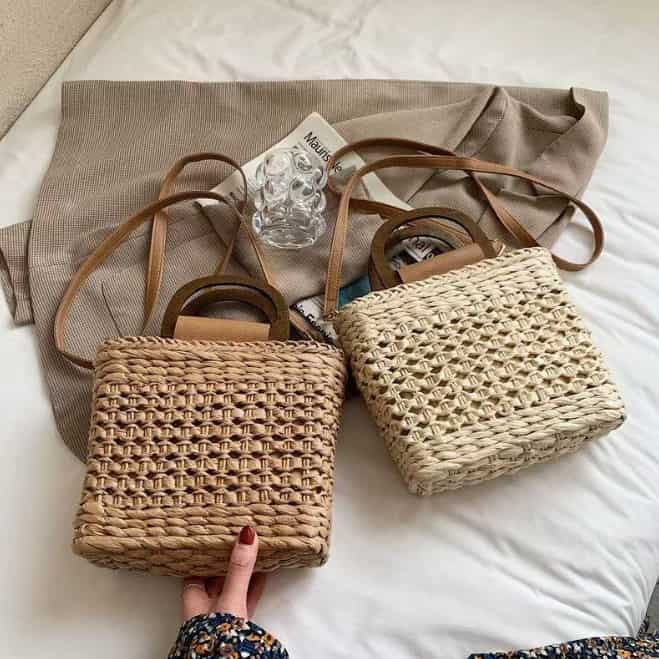
Top Styles of Handwoven Raffia Purses for Wholesale
Not all raffia purses are the same. Here’s a breakdown of the styles that are moving right now.
| Style | Description | Best For | Typical Retail Price |
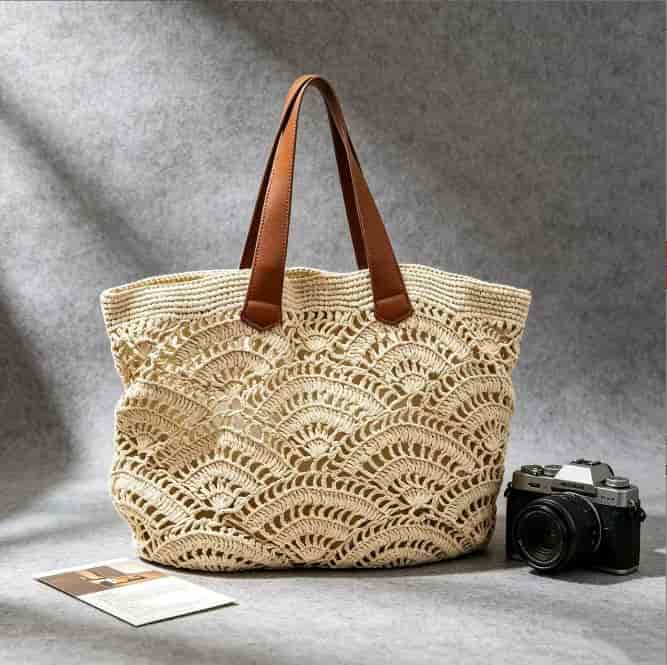
| Raffia Tote | Large, open-top, two handles | Beach, market, everyday | $40–300 |
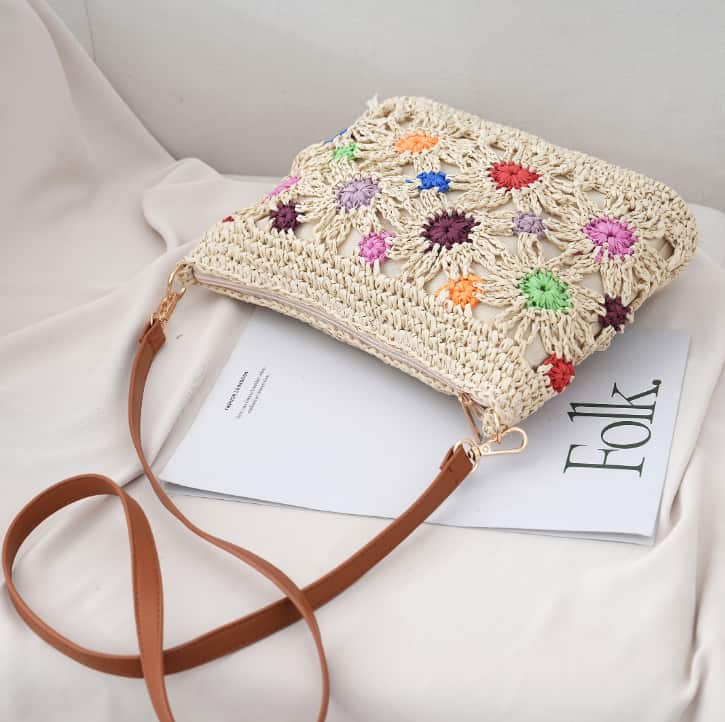
| Raffia Crochet Bag | Hand-crocheted with intricate patterns | Resort, brunch, day-to-evening | $60–500+ |
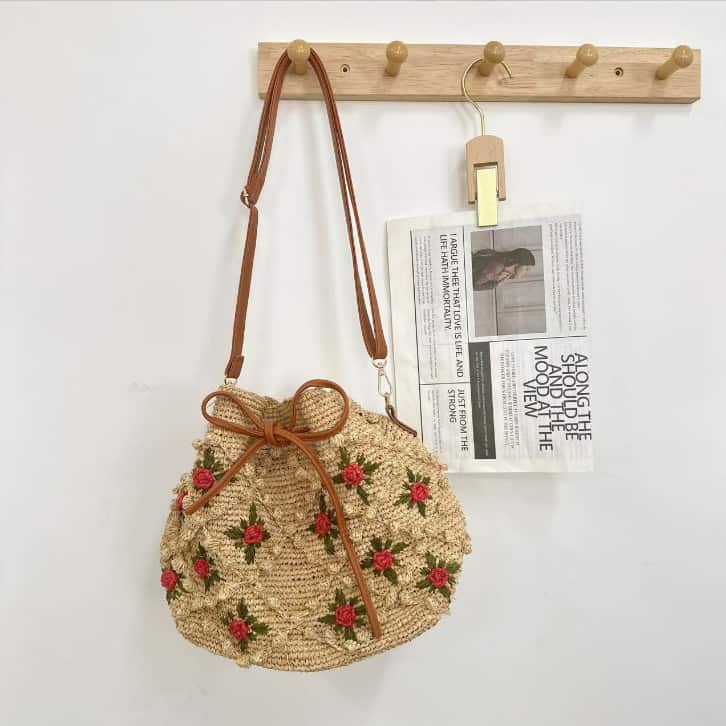
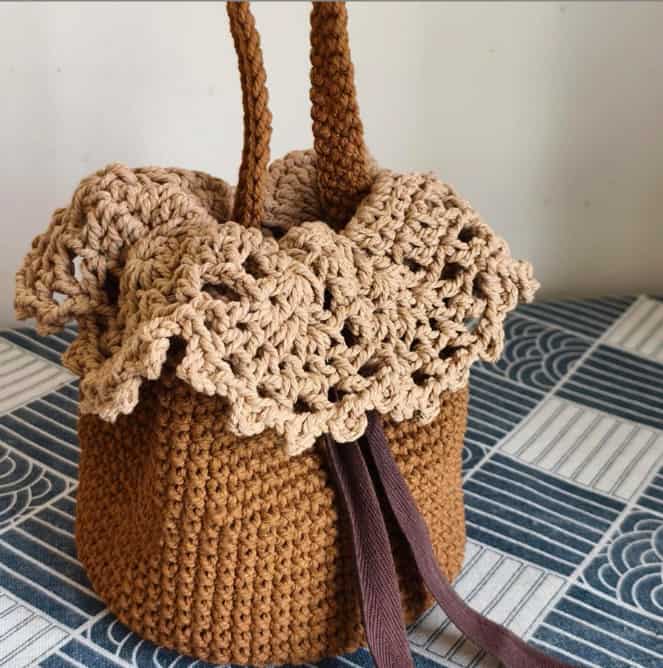
| Raffia Bucket Bag | Cylindrical body with drawstring closure | City commute, casual | $80–400 |
| Raffia Shoulder Bag | Compact with chain or leather strap | Day-to-evening versatility | $90–600+ |
| Raffia Clutch | Flat, handheld envelope or pouch | Weddings, evenings | $50–350 |
| Raffia Cross-body | Small to mid-sized with adjustable strap | Travel, hands-free everyday | $80–400 |
What’s selling best right now: The raffia tote is the safest bet for wholesale buyers entering the category. But crochet bags and bucket bags are growing fast — especially in the lifestyle segment ($80–200 retail).
One more thing: Mini bags and cross-bodies are great for attracting younger shoppers who want an affordable entry
How to Evaluate a Raffia Purse Supplier
Finding the right supplier is one of the most important decisions you’ll make for your raffia bag business. A good supplier delivers consistent quality, reliable service, and honest communication. A bad supplier costs you time, money, and customers.
Here’s how to evaluate a raffia purse supplier — from understanding who you’re dealing with to spotting fake “handmade” claims and knowing why real craftsmanship deserves a higher price.
Know Who You’re Dealing With — Supplier Tiers
Not all suppliers are the same. Understanding the different types of suppliers helps you choose the right partner for your business.
Supplier tiers explained:
| Supplier Type | What They Do | Best For | Risk Level |
|---|---|---|---|
| Direct Factory | Make the bags themselves, control production | Volume orders, custom designs, quality control | Low |
| Trading Company | Middlemen who source from factories | Small orders, easier communication | Medium |
| Agent/Broker | Connect you with factories for a fee | Hard-to-find products, local market knowledge | Medium-High |
| Wholesale Distributor | Buy bulk from factories and resell | Ready-made stock, fast delivery | Low |
| Artisan Cooperative | Groups of artisans working together | Ethical sourcing, unique designs, direct impact | Low-Medium |
How to identify which type you’re dealing with:
| Clue | Direct Factory | Trading Company |
|---|---|---|
| Workshop photos | Can show you the production floor | Only show product photos |
| Production knowledge | Knows every detail of the process | Vague about how things are made |
| Pricing | Competitive, no middleman markup | 20–30% higher |
| Customization | Can handle custom requests | Limited — they pass on your requests |
| Communication | Direct, no delays | Slower — they have to check with the factory |
| Company profile | Clearly states “Manufacturer” | Often says “Trading Company” or “Supplier” |
The bottom line: If you’re ordering in volume, work directly with a factory. No middleman means better prices, faster problem-solving, and more control over quality. If you’re ordering small quantities or need help navigating a new market, a trading company or agent might make sense — but you’ll pay more for the convenience.
How to Tell Real Handwoven from “Fake Handmade”
“Handwoven” is a powerful selling point. But not every supplier who says “handwoven” actually delivers. Here’s how to tell the difference.
Real handwoven vs. “fake handmade”:
| Factor | Real Handwoven | Fake Handmade |
|---|---|---|
| Weave consistency | Slight variations — proof of human hands | Perfectly uniform — machine-made |
| Edge finishing | Slight irregularities, natural feel | Clean, precise, machine-perfect |
| Fiber feel | Soft, flexible, natural | Stiffer, sometimes synthetic |
| Price | $6–15+ per bag | $3–6 per bag |
| Production time | Hours to days per bag | Minutes per bag |
| Unique character | Each bag is slightly different | Identical copies |
| Artisan story | Can tell you who made it and where | No story, or a generic one |
| Smell | Earthy, herbal scent | Chemical or plasticky smell |
How to verify “handwoven” claims:
| Verification Method | What to Look For |
|---|---|
| Ask for workshop photos | See artisans actually weaving — not just a showroom |
| Request a video | Watch the weaving process in real time |
| Ask about the weavers | How many? Where are they? What’s their story? |
| Check the price | If it’s under $6, it’s likely not fully handwoven |
| Order a sample | Feel the weave — real handwoven has slight variations |
| Check for irregularities | A perfectly uniform weave is machine-made |
The bottom line: Real handwoven has character. Slight variations in the weave are not flaws — they’re proof that something real made it. If the bag looks too perfect, it’s probably machine-made. And if it’s machine-made, it should cost less.
Spotting the Difference — Real vs. Fake Handwoven
Here’s a quick reference guide to spot the difference between real and fake handwoven raffia bags.
Real vs. fake handwoven — side by side:
| What to Check | Real Handwoven | Fake Handmade |
|---|---|---|
| Weave pattern | Slight irregularities, natural variations | Perfectly uniform, no variation |
| Stitch consistency | Stitches vary slightly in tightness and angle | Perfectly identical |
| Shape | Slight asymmetry — normal for handmade | Perfectly symmetrical |
| Edge finishing | Organic, not perfectly straight | Crisp, machine-perfect |
| Fiber surface | Slightly uneven, organic | Smooth, uniform |
| Color | Slight variations (natural fiber) | Too uniform |
| Weight | Often slightly heavier (denser weave) | Lighter (processed fibers) |
| Price point | $6–15+ | $3–6 |
| Label | “100% handwoven by artisans” | “Handcrafted” or “artisan-inspired” |
| Story | Can tell you who made it | Vague or no answer |
Quick tests you can do:
| Test | How to Do It | Pass | Fail |
|---|---|---|---|
| Feel test | Rub the bag between your fingers | Soft, slightly rough, natural | Smooth, uniform, synthetic |
| Burn test | Burn a loose thread | Burns like paper, smells like leaves | Melts, smells like plastic |
| Visual inspection | Look closely at the weave | Tiny variations in tension | Perfectly identical |
The bottom line: If a supplier is vague about how the bag is made, or if the price is too good to be true, be suspicious. Real handwoven requires skill, time, and care — and it costs more. But it’s worth it.
Why “Handmade” Deserves a Higher Price
Real handwoven bags cost more because they take more time, skill, and care to produce. Here’s why the higher price is justified.
What you’re paying for:
| Cost Component | What It Includes | Why It’s Worth It |
|---|---|---|
| Artisan skill | Years of training and experience | You’re paying for expertise |
| Labor time | Hours to days per bag | You’re paying for time, not speed |
| Quality materials | 100% natural raffia, quality finishes | You’re paying for quality that lasts |
| Artisan story | A connection to the maker | Customers pay more for authenticity |
| Traditional techniques | Skills passed down through generations | You’re preserving cultural heritage |
| Ethical production | Fair wages and dignified work | You’re supporting communities, not machines |
| Unique product | No two bags are exactly alike | Customers value exclusivity |
The value comparison:
| Factor | Handwoven Raffia | Machine-Made Raffia |
|---|---|---|
| Production time | Hours to days per bag | Minutes per bag |
| Artisan skill | Years of training | Basic machine operation |
| Uniqueness | Every bag is different | Identical copies |
| Quality | Often higher — individual attention | Consistent but not special |
| Story | A story to tell your customers | No story |
| Price | $6–15+ | $3–6 |
| Customer perception | Premium, authentic, valuable | Ordinary, generic |
| Longevity | Often lasts longer | Varies |
What your customers are actually buying:
| What They Buy | Why It Matters |
|---|---|
| A story | “Made by hand” justifies a higher price |
| Authenticity | Customers can feel the difference |
| Sustainability | Handmade production is often more sustainable |
| Quality | Handwoven bags often last longer |
| Uniqueness | No one else has the exact same bag |
| A connection | Customers feel connected to the maker |
The bottom line: Handmade costs more — but it’s worth it. Customers are willing to pay more for authenticity, quality, and a story they can connect with. A handwoven raffia bag isn’t just a bag — it’s a piece of craftsmanship, a connection to the maker, and a sustainable choice. That’s something customers will pay a premium for.
Sourcing Strategy – Build Relationships, Not Just Orders
Why Supplier Relationships Matter More Than Price
Lead-in: The best wholesale price means nothing if your supplier disappears when you need them most.
| Benefit of a Strong Relationship | What It Gives You |
|---|---|
| Priority during peak season | Your order gets made before others |
| Flexible MOQ | Easier to test new styles |
| Better quality control | They care more about your brand’s reputation |
| Early access to new styles | First look at upcoming designs |
| Honest communication | They tell you about problems before they become crises |
Key takeaway: Price is what you pay once. A relationship pays you back every order. Invest in people, not just products.
How to Start Small and Grow – A Practical Roadmap
Lead-in: Every big wholesale account started with a single small order. Here’s how to grow smart.
| Phase | What to Do | Why It Matters |
|---|---|---|
| Test | Order 20–50 units from 2–3 suppliers | Compare quality, communication, and reliability |
| Choose | Pick the best one and place a second, slightly larger order | Build consistency and trust with one partner |
| Grow | Gradually increase order size – share your sales data with them | Better forecasting = better pricing and service |
| Commit | Sign a seasonal or annual agreement | Lock in pricing, priority access, and dedicated support |
Key takeaway: Don’t rush to lock in a long-term supplier on your first order. Use small tests to find the right partner – then grow together.
Quick Comparison — Good Supplier vs. Bad Supplier
| What to Watch | Green Light (Good) | Red Flag (Bad) |
| Sample policy | Paid sample, deductible | No samples available |
| Payment terms | 30% deposit, 70% before shipping | 100% upfront |
| Communication | Responds within 24 hours | Takes 3+ days to reply |
| Pricing | Within market range | Unrealistically low |
| Sourcing | Can tell you exactly where raffia comes from | Vague answers |
| Lead time | Realistic and honest | Overpromises, underdelivers |
Wrapping it Up
Affordable luxury isn’t a contradiction. It’s exactly what handwoven raffia purses offer.
Shoppers are searching for affordable bags and wholesale designer handbags because they want the look without the luxury price tag. Raffia purses deliver that — premium look, artisan feel, sustainability story, and wholesale prices that actually make sense.
Position them right. Source them smart. And sell them with confidence.
Ready to source affordable luxury handwoven raffia purses for your store?
Contact Rafico Accessories for wholesale pricing and custom options.