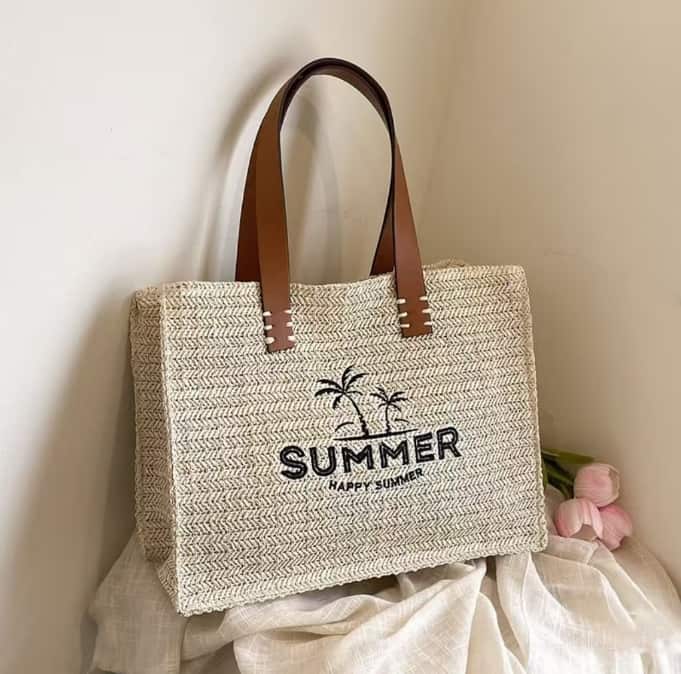
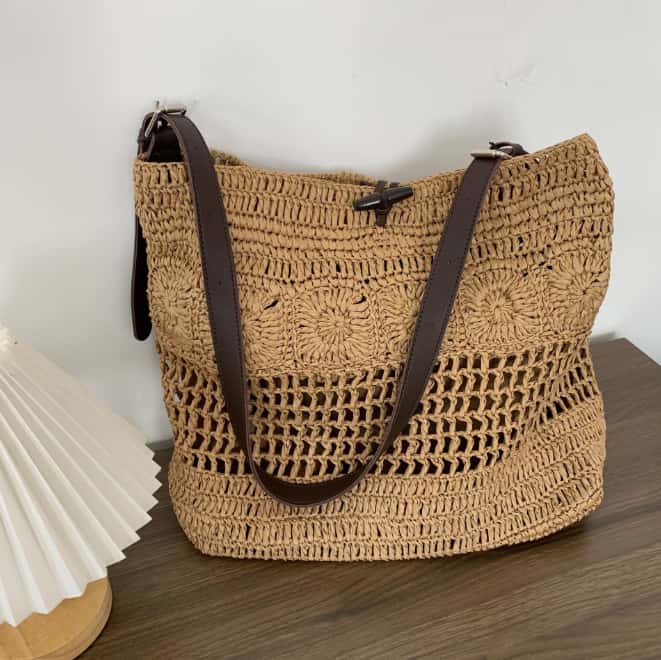
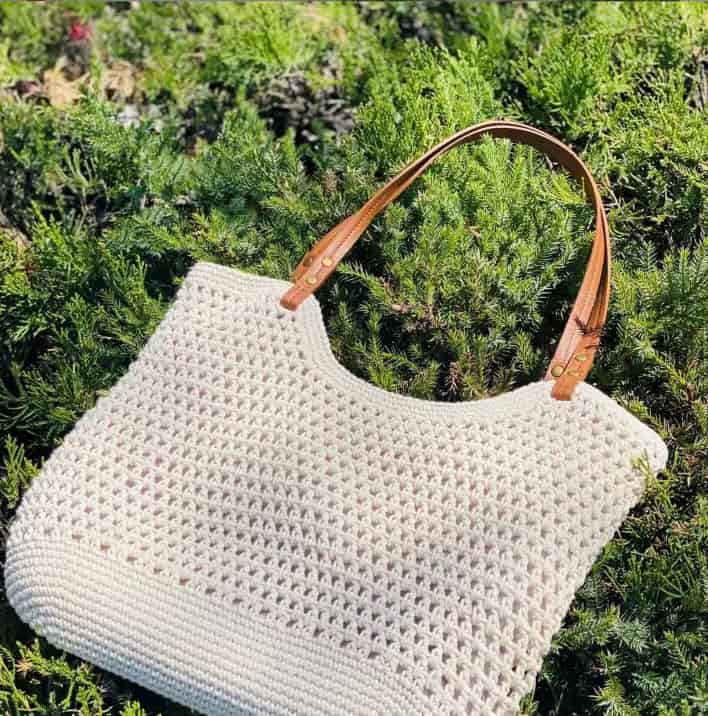
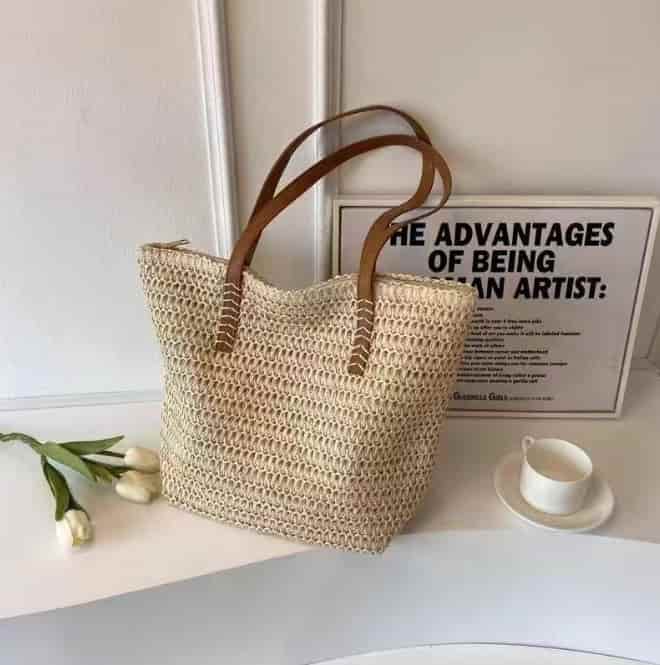
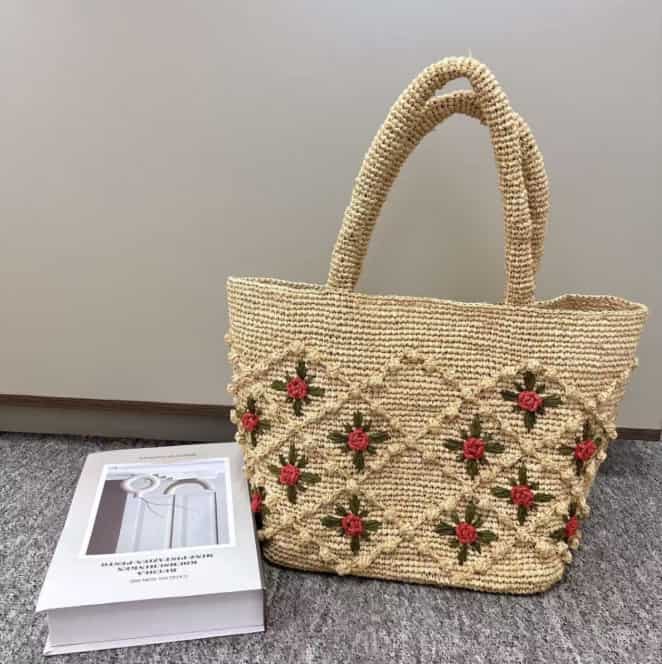
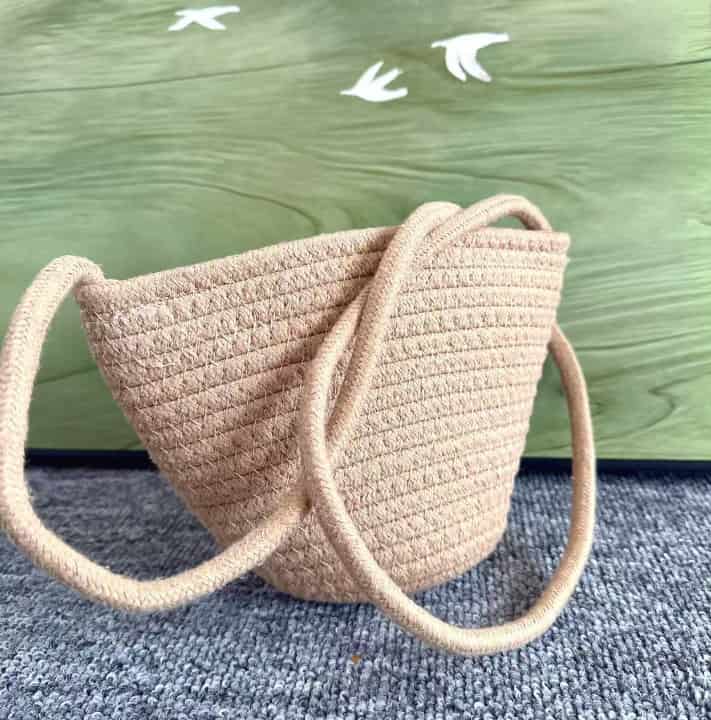
Let’s be honest — summer is the season for natural materials. And nothing says “warm weather” quite like a natural palm fiber bag.
These bags are everywhere right now. Resorts. Beaches. Farmers markets. City streets. People love them because they look good, feel light, and don’t trash the planet.
If you’re a retailer or brand looking for an eco friendly summer line, palm fiber bags are a no-brainer. Here’s why — and what to look for when you’re sourcing them.
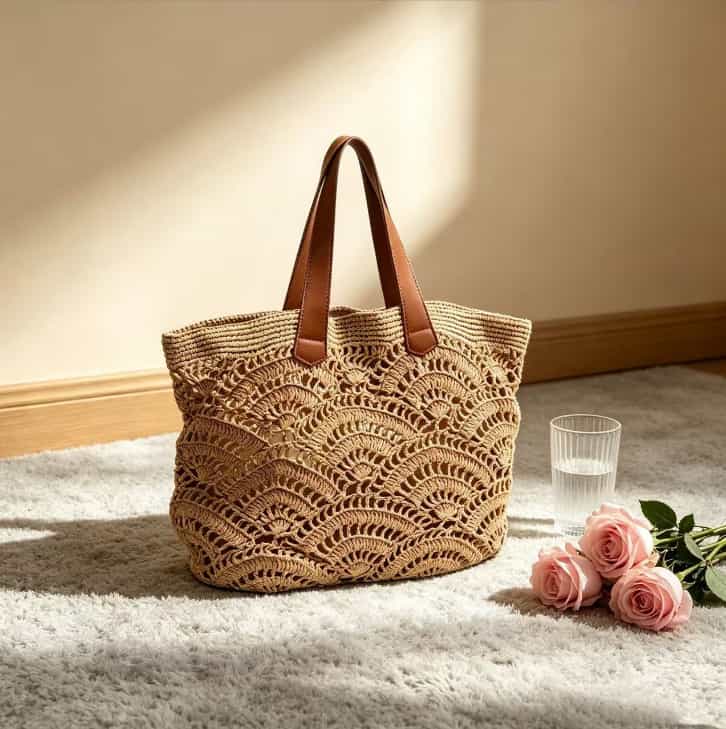
What Are Natural Palm Fiber Bags?
Let’s start with the basics.
Natural palm fiber bags are made from the leaves of palm trees — usually raffia, but sometimes other palm varieties. The leaves are harvested, stripped, dried, and woven into bags by hand or machine.
The result? A bag that’s lightweight, breathable, and naturally textured. No two are exactly alike, which is part of the appeal.
Here’s the thing — people love them because they feel authentic. Not like something that came off a factory line. And that’s exactly what summer fashion is all about right now.
How Natural Palm Fiber Gets from Tree to Bag
So how does a palm leaf actually become a bag? Here’s the short version.
The process starts with harvesting. Workers climb the palm trees or use long poles to cut the leaves. Then they strip the outer layer to get the long, flexible fibers underneath.
A quick look at the journey:
| Stage | What Happens |
| Harvesting | Leaves are cut from the palm tree (tree stays standing) |
| Stripping | Outer layer is removed to reveal the fibers |
| Drying | Fibers are laid out in the sun for 1–3 days |
| Sorting | Fibers are graded by color, thickness, and strength |
| Dyeing (optional) | Natural or chemical dyes are applied |
| Weaving | Fibers are woven into bags — by hand or machine |
| Finishing | Handles, linings, and hardware are added |
| Packing | Bags are folded, packed, and shipped |
One thing to remember: Good drying is non-negotiable. If the fibers aren’t dried properly, they’ll mold or rot during shipping. A solid supplier will tell you exactly how they handle this.
What Makes Natural Palm Fiber Different from Other Natural Materials?
Palm fiber gets grouped with a lot of other natural materials — but it’s not the same as any of them.
Here’s how it compares:
| Material | Source | Feel | Durability | Best For |
| Palm fiber (raffia) | Palm leaves | Soft, flexible | Good — lasts 1–3 years with care | Bags, hats, home decor |
| Jute | Jute plant stems | Rough, stiff | Strong, but prone to fray | Totes, rugs, packaging |
| Cotton | Cotton plant | Soft, smooth | Good, but absorbs water | Everyday bags, linings |
| Seagrass | Saltwater grass | Stiff, coarse | Very durable, heavy | Rugs, baskets, home decor |
| Bamboo | Bamboo stalks | Smooth, hard | Very strong, heavy | Furniture, accessories |
The biggest difference? Palm fiber is lighter and more flexible than jute or seagrass.
Here’s the bottom line: If you want a bag that’s light, flexible, and comes in fun colors — palm fiber is your material. If you want something stiff and industrial — go with jute or seagrass.
Is Palm Fiber Really More Sustainable Than Plastic?
Yes — and here’s why.
Palm trees aren’t cut down to make these bags. The leaves are pruned, and the tree keeps growing. That’s it. No deforestation, no heavy machinery, no chemical processing.
Compare that to synthetic bags made from plastic or nylon. Those take hundreds of years to break down. A natural palm fiber bag? It goes back to the earth when it’s done.
Here’s a quick comparison:
| Palm Fiber Bag | Plastic/Synthetic Bag | |
| Made from | Renewable palm leaves | Petroleum-based plastic |
| Breaks down? | Yes, naturally | No — lasts hundreds of years |
| Tree cut down? | No — just pruned | N/A |
| Chemicals used? | Minimal | Heavy chemical processing |
| End of life | Returns to earth | Landfill or ocean |
If sustainability matters to your brand, palm fiber wins. No contest.
Do Customers Actually Care About Eco-Friendly Materials?
Short answer? Yes. More than ever.
Here’s what’s happening right now in retail:
- More than 60% of consumers say they’re willing to pay more for sustainable products
- “Eco-friendly” and “natural materials” are among the top searched terms in fashion
- Younger buyers especially — they check labels and ask questions
An eco friendly summer line isn’t just good marketing — it’s what people actually want.
The best part? Palm fiber bags tell the sustainability story without you having to over-explain it. The material does the talking. You don’t need fancy packaging or long product descriptions. Just show the bag and say “natural palm fiber.” Customers get it.
Can a Palm Fiber Bag Really Handle Daily Use?
You’d be surprised.
A lot of people assume natural materials are fragile. They’re not. A well-made natural palm fiber bag can handle:
- Groceries and farmers market hauls
- Beach trips with towels and sunscreen
- Laptops and daily work essentials
- Travel — they’re light enough to pack, strong enough to carry
Here’s the thing: It all comes down to construction. A poorly made bag with loose weaving and weak handles? That won’t last. But a properly woven palm fiber bag with reinforced stress points? It’ll go years.
Look for:
- Tight, even weave
- Handles that are woven-in or double-stitched
- A reinforced bottom
- Quality stitching throughout
What Occasions Work Best with Palm Fiber Bags?
Everyday Uses – From Markets to Office Commutes
Palm fiber bags have moved beyond the beach. Here’s where customers use them every day.
Everyday uses for palm fiber bags:
- Grocery shopping – Sturdy enough for produce, bread, and heavy items; breathable weave keeps produce fresh
- Work commute – Structured totes hold laptops and notebooks; professional enough for the office
- Weekend errands – Lightweight and easy to carry; spacious enough for everything on your list
- Travel – Lightweight and packable; perfect for carry-on or day trips
- Beach trips – Open weave lets sand fall through; dries fast after a swim
- Evening events – Clutches and mini bags add natural texture to formal outfits
Why customers choose palm fiber for everyday use:
- Lightweight – doesn’t weigh them down
- Durable – handles daily essentials with ease
- Versatile – works for multiple occasions
- Comfortable – easy to carry all day
The bottom line: Palm fiber bags are practical, versatile, and stylish enough for any occasion — from grocery runs to office meetings to evening events.
How to Style Palm Fiber Bags for Different Occasions
Help your customers see the versatility of palm fiber bags. Here’s a quick styling guide.
Styling guide by occasion:
| Occasion | Bag Style | What to Pair It With |
|---|---|---|
| Beach day | Large open-weave tote | Swimsuit, cover-up, sunglasses, sunscreen |
| Farmers market | Sturdy shoulder bag | Casual dress, comfortable shoes, reusable produce bags |
| Weekend brunch | Crochet bag | Linen pants, light blouse, sandals |
| Office commute | Structured tote with lining | Tailored trousers, blazer, silk blouse |
| Evening event | Small clutch or mini bag | Maxi dress, heels, gold jewelry |
| Travel | Medium crossbody | Denim, simple tee, comfortable sneakers |
Styling tips for your customers:
- Keep it simple – Palm fiber’s natural texture adds interest; no need for loud prints
- Mix textures – Pair with linen, cotton, or denim for a natural look
- Choose neutral colors – Beige, sand, and natural tones go with everything
- Dress it up or down – The same bag works for casual and formal settings
The bottom line: Show your customers how versatile palm fiber bags are — and they’ll buy more than one. One bag can work for beach, market, office, and evening. That’s value they’ll appreciate.
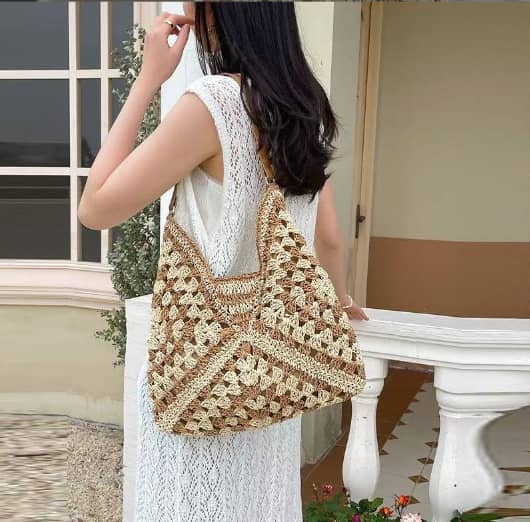
What to Look for in a Natural Palm Fiber Bag
Not all palm fiber bags are made the same. Here’s what to check before you commit to an order.
How to Check Weave Density and Strength
The weave determines how long a palm fiber bag lasts. Here’s how to check it properly.
How to check weave density:
- Hold it up to light – A good weave should look dense and uniform. If you see obvious gaps or holes, the weave is too loose and the bag won’t hold its shape.
- Run your hand across the surface – It should feel smooth and even. Loose spots or uneven areas are weak points that will stretch or tear over time.
- Pinch the weave – Pinch a small section of the bag between your fingers. A tight weave feels firm and doesn’t compress easily. A loose weave feels soft and gives way easily.
- Check the corners – Corners take the most wear. They should be tightly woven with no fraying or loose threads.
What to avoid:
| Red Flag | Why It’s a Problem |
|---|---|
| Visible gaps when held to light | Items will fall through; weave will stretch |
| Uneven tension | Weak spots that will fail first |
| Loose or fraying corners | Will unravel quickly with use |
| Weave compresses easily | Won’t hold its shape |
The bottom line: A tight, even weave is the foundation of a durable bag. Always check weave density before buying.
What to Look for in Handles and Finishing
Handles are the most common failure point. Here’s what to check.
Handle attachment methods:
| Attachment Method | How Strong Is It? | What to Look For |
|---|---|---|
| Woven-in | Strongest – handles are part of the weave | Handles flow seamlessly from the bag body |
| Double-stitched | Strong – securely attached with two rows of stitching | Two rows of stitching at attachment point |
| Single-stitched | Weak – prone to tearing | Only one row of stitching; visible gap |
| Glued | Weakest – will fail quickly | Glue visible; no stitching |
Finishing details to check:
- Edges – Should be clean and neat. Frayed or rough edges indicate poor quality.
- Stitching – Should be even, tight, and consistent. Loose or skipped stitches will unravel.
- Lining – If the bag has a lining, it should be cleanly attached with no sagging or bunching.
- Bottom – Should feel reinforced. A flimsy bottom will sag and fail under weight.
The bottom line: Strong handles and clean finishing are signs of quality. Don’t settle for single-stitched handles or frayed edges — they’ll fail and lead to returns.
How to Check Dye Quality and Colorfastness
If the bag is dyed, color quality matters. Here’s how to check it.
Dye quality checks:
| What to Check | How to Check It | What Good Looks Like |
|---|---|---|
| Even coverage | Inspect the bag under natural light | Consistent color across the entire bag |
| No bleeding | Rub a damp cloth on a small section | No color transfers to the cloth |
| No fading | Compare colors in different areas | Same color intensity everywhere |
| Natural look | Check against the color reference | Matches your color reference |
What to look for in dyes:
| What to Avoid | Why It’s a Problem |
|---|---|
| Uneven color or blotchiness | Rushed or poor-quality dye job |
| Color rubs off on hands or clothing | Dye wasn’t properly set – will fade and stain |
| Faded patches | Low-quality dye that won’t last |
| Chemical smell | Cheap dyes may contain harsh chemicals |
Certifications to look for:
- OEKO-TEX certification – no harmful chemicals in dyes
- Natural dyes – plant-based, eco-friendly
- No heavy metals – safe for customers and the environment
The bottom line: Dye quality affects both the look and the longevity of the bag. Check for even color, no bleeding, and proper setting. If the dye rubs off, the bag will fade and disappoint customers. Always request dye testing or certification.
Why Buyers Choose Our Eco Friendly Summer Line
At Rafico Accessories, we’ve been working with natural palm fiber bags for years. Here’s what sets us apart.
We Know the Material
Palm fiber isn’t like cotton or leather. It has its own quirks. We know how to work with it — from sourcing good fiber to weaving tight, durable bags.
We Do Custom Work
Need a custom raffia bag with your logo? Specific colors? Different sizes? We handle OEM and ODM orders. Just tell us what you need.
We Stand Behind Quality
We check every bag before it leaves our workshop. Handles, weave, dye, packaging — we don’t ship anything we wouldn’t sell ourselves.
We Ship Worldwide
Whether you’re in the US, Europe, Australia, or anywhere else, we get your bags to you safely and on time.
How to Get Started with Your Summer Line
Ready to add natural palm fiber bags to your collection? Here’s how.
- Reach out — Send us a message with what you’re looking for.
- Request samples — We’ll send you a few styles to check quality in person.
- Place your order — Custom or standard. Small or large. We’ll work with your timeline.
- Receive your shipment — Packed properly, delivered on time.
A Simple Timeline – From Order to Arrival
Getting your summer line ready doesn’t have to be complicated. Here’s a clear timeline to follow.
Summer line timeline at a glance:
| Stage | When to Start | What to Do |
|---|---|---|
| Research and planning | November–December | Define styles, colors, and quantities |
| Sample orders | January | Order samples from 2–3 suppliers |
| Sample review and approval | February | Review samples, approve final designs |
| Bulk order placement | February–March | Place your bulk order |
| Production | March–April | Monitor production, request in-process photos |
| Quality control and packing | April | Do final inspection, confirm packaging |
| Shipping | April–May | Arrange shipping, track delivery |
| Stock arrival and launch | May | Receive stock, launch marketing, start selling |
Key deadlines:
| Deadline | Why It Matters |
|---|---|
| Order samples by December | Gives you time to review and revise |
| Place bulk orders by February | Ensures delivery before summer peak |
| Receive stock by May | Captures the early summer shopping window |
| Launch marketing by mid-May | Builds awareness before peak season |
The bottom line: Order early, plan ahead, and give yourself buffer time. A clear timeline from order to arrival helps you avoid stress and ensures you have stock when customers are ready to buy.
What to Prepare Before You Order
Being prepared saves time, money, and frustration. Here’s what you need before placing your order.
What to prepare before you order:
| What to Prepare | Why It Matters | How to Do It |
|---|---|---|
| Design specifications | Supplier needs to know exactly what to make | Provide sketches, dimensions, and material preferences |
| Color references | Ensures accurate color matching | Provide Pantone numbers or physical swatches |
| Size requirements | Prevents sizing errors | Provide exact measurements (width, height, depth) |
| Quantity | Determines pricing and production timeline | Decide on initial order size (100–300 pieces for testing) |
| Budget | Guides your decisions on materials and customization | Set your max price per unit |
| Timeline | Sets realistic delivery expectations | Know when you need the bags by |
The bottom line: Preparation is the difference between a smooth order and a stressful one. Gather your specs, know your budget, and set clear timelines before you contact any supplier. The more you prepare upfront, the smoother the process will be.
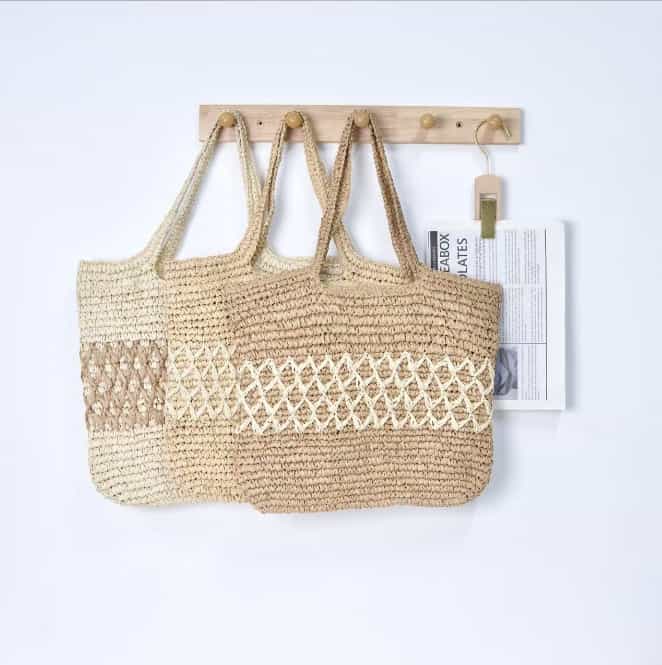
How to Care for Natural Palm Fiber Bags
Your customers will want to know how to keep their bags looking good. Here’s a simple care guide you can share.
How to clean natural palm fiber bags:
| Cleaning Method | How to Do It | Best For |
|---|---|---|
| Spot clean | Damp cloth, gentle dabbing | Small stains, dirt spots |
| Dry brush | Soft brush, gentle strokes | Dust, loose dirt |
| Vinegar solution | 1:1 vinegar and water, dab gently | Mold or mildew |
| Air dry | Lay flat in shade, not direct sun | After any wet cleaning |
What to avoid:
| What Not to Do | Why It Hurts |
|---|---|
| Soaking | Palm fiber absorbs water and loses shape |
| Machine washing | Ruins the weave permanently |
| Bleach or harsh chemicals | Damages natural fibers |
| Scrubbing hard | Causes fraying and weakens the weave |
| Drying in direct sun | Causes fading and brittleness |
How to store palm fiber bags:
- Store in a cool, dry place – prevents mold and mildew
- Avoid direct sunlight – prevents fading and drying out
- Store flat or with support – prevents creasing and losing shape
- Use a fabric dust bag – protects from dust without trapping moisture
- Don’t overstuff while storing – prevents stretch and deformation
The bottom line: Natural palm fiber is low-maintenance. A damp cloth, a soft brush, and proper storage are all it takes to keep it looking good for years.
How to Remove Common Stains from Palm Fiber Bags
Accidents happen. Here’s how to handle the most common stains on natural palm fiber bags.
How to remove common stains:
| Stain Type | How to Remove It | What to Avoid |
|---|---|---|
| Food or drink spills | Dab with a damp cloth immediately. Let air dry. | Don’t rub — it spreads the stain |
| Oil or grease | Sprinkle cornstarch or baking soda, let sit for 2–3 hours, brush off gently | Don’t use water — it spreads oil stains |
| Mold or mildew | Wipe with 1:1 vinegar and water solution. Air dry in shade. | Don’t use bleach — it damages fibers |
| Ink or pen marks | Dab lightly with rubbing alcohol on a cotton swab. Air dry. | Don’t scrub — it spreads the ink |
| Dirt or dust | Brush gently with a soft brush | Don’t use water for dry dirt — it creates mud |
The quick clean rule:
- Act fast – The longer a stain sits, the harder it is to remove
- Blot, don’t rub – Rubbing spreads stains and damages fibers
- Test first – Try cleaning method on a small, hidden area first
- Air dry completely – Never put a damp bag away — it can cause mold
The bottom line: Most stains can be removed with simple household items — vinegar, cornstarch, and gentle blotting. Act quickly, blot gently, and always air dry.
How to Extend the Life of Your Palm Fiber Bag
A well-maintained palm fiber bag can last for years. Here’s how to help your customers get the most out of theirs.
How to extend the life of a palm fiber bag:
- Rotate use – Don’t use the same bag every day; give it time to rest and regain shape
- Don’t overfill – Overstuffing stretches the weave permanently
- Avoid extreme heat – Keep away from radiators, hot cars, and direct sunlight for extended periods
- Keep dry – If it gets wet, air dry immediately — don’t use heat
- Store properly – When not in use, store flat with a dust bag
- Handle with clean hands – Oils from your hands can transfer to the fiber
When to replace vs. repair:
| Issue | Can You Fix It? | How |
|---|---|---|
| Loose thread | Yes — tuck it back in or trim carefully | Use small scissors, don’t pull |
| Small frayed edge | Yes — gently trim loose fibers | Trim carefully, don’t pull |
| Mild stretching | Sometimes — lightly mist with water, reshape, air dry | Only works for minor stretching |
| Broken weave | Maybe — professional repair may work | Seek a specialist or contact the maker |
| Severe mold | Usually not — bag may be beyond repair | If mold penetrates, replace |
The bottom line: With proper care, a natural palm fiber bag can last 2–5 years. Encourage your customers to treat it well — and they’ll come back for more. A bag that lasts builds trust and loyalty.
Wrapping it up
A natural palm fiber bag is more than just a summer accessory. It’s sustainable. It’s versatile. And it tells a story that customers care about.
Whether you’re a boutique owner, an online retailer, or a brand looking to build an eco friendly summer line, these bags are a smart move.
Ready to explore natural palm fiber bags for your brand?
Contact Rafico Accessories today. We’ll show you what’s possible.