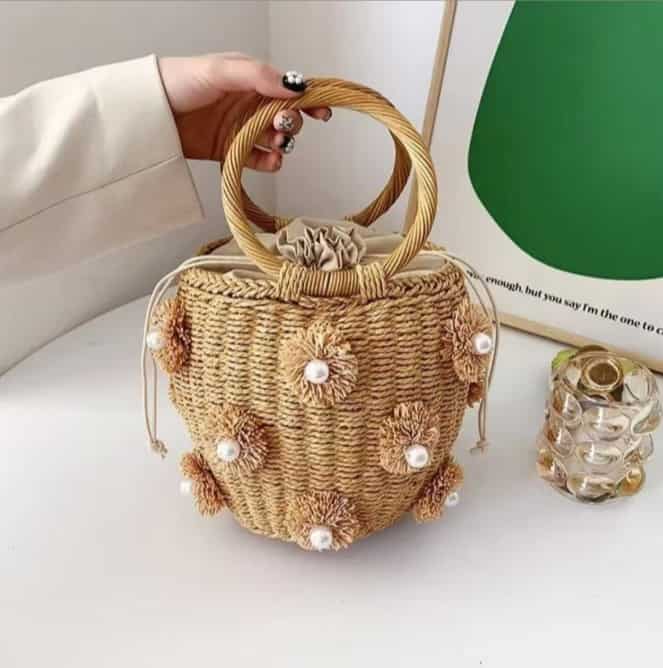
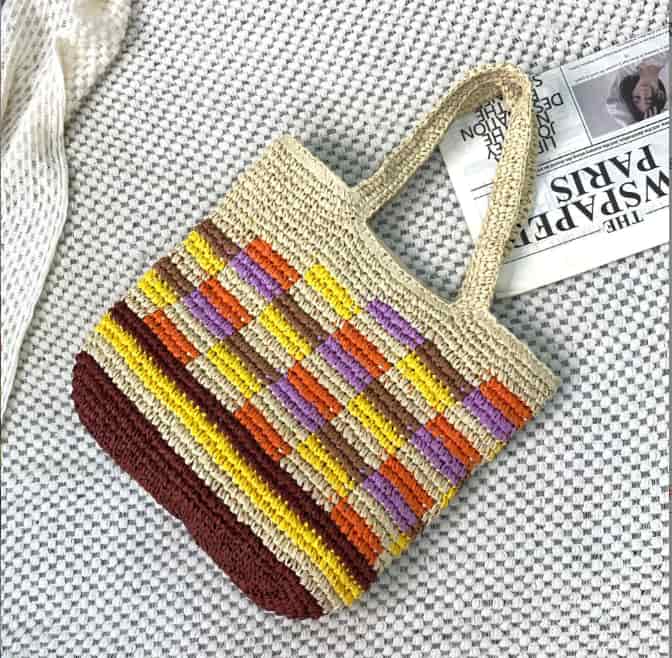
Let‘s be honest — if you’re importing raffia bags, price matters. A lot.
But here‘s the thing — “competitive pricing” isn’t just about finding the lowest number on a quote. It‘s about understanding what drives the cost, where the best factory regions are, and how to negotiate without sacrificing quality.
I’ve been sourcing factory direct raffia bags for years, and I can tell you — the difference between a good deal and a bad one often comes down to knowing where to look and what to ask.
Let‘s break it down.
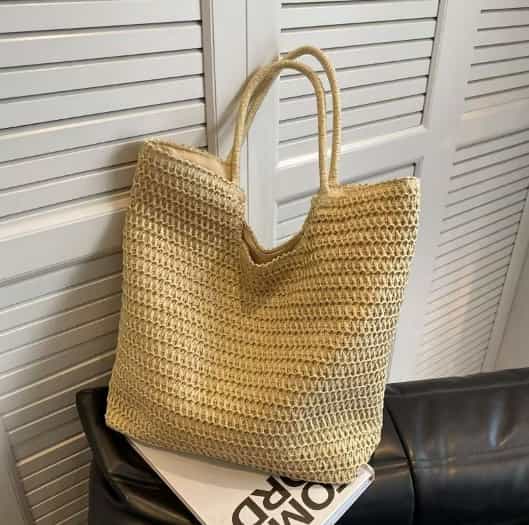
Why Buy Factory Direct — and What Does “Competitive” Really Mean?
Buying directly from the factory cuts out the middleman. No trading companies. No agents adding their 20–30% markup. Just you and the people who actually make the bags.
But “competitive” doesn’t mean “cheapest.” A truly competitive price reflects:
- Material quality – Good raffia fibers cost more. Cheap fibers break and look rough.
- Labor – Handwoven bags take time. Fair wages cost money.
- Scale – The more you order, the lower your per-unit cost. That‘s just how manufacturing works.
- Location – Factories in different regions have different cost structures.
Here’s the thing: The lowest price might save you money upfront. But if the quality is bad, you‘ll lose it all back in returns and unhappy customers.
So what actually makes a good factory-direct price? Let’s look at the numbers.
What‘s the Real Cost of Cutting Out the Middleman?
This seems obvious, but let me spell it out.
When you buy from a trading company, you’re paying for:
- Their office rent
- Their staff salaries
- Their marketing costs
- Their profit margin (usually 20–30%)
None of that goes into your bag. It‘s just overhead.
When you buy factory direct:
| Trading Company | Direct Factory | |
| Price | Higher (+20–30%) | Lower |
| Communication | One extra layer | Direct |
| Problem-solving | Slower (they ask the factory) | Faster (they make decisions) |
| Quality control | They rely on the factory | They control it |
| Customization | Limited | Full control |
Here’s the catch: Trading companies aren‘t useless. They can be helpful for:
- Small orders (factories often have high MOQs)
- Language barriers (traders usually speak better English)
- Finding factories (they’ve already done the vetting)
But once you‘re ordering in volume, go direct. No middleman means better prices and faster problem-solving.
Example: A factory might sell a raffia tote for $4.50. The same bag through a trading company? $5.40–$5.85. On 500 bags, that’s $450–$675 saved. Enough to cover your shipping.
What Does “Competitive Pricing” Actually Look Like?
“Competitive” depends on context. Here‘s a rough guide.
First, know what’s normal:
| Category | Typical FOB Price Range | What You Get |
| Entry-level | $2.50–3.50 | Basic tote, simple weave, no lining, no leather |
| Mid-range | $3.50–5.00 | Tight weave, simple lining, good handles |
| Premium | $5.00–8.00+ | Dense weave, cotton lining, leather handles, reinforced bottom |
Second, compare like for like.
A $3.50 bag from Vietnam might look cheaper than a $4.50 bag from China. But:
- Vietnam: handwoven, no lining, basic handles
- China: machine-assisted, cotton lining, leather handles
They‘re not the same bag. The $4.50 one costs more because it costs more to make.
Third, calculate landed cost, not just unit price.
| Cost Component | Supplier A | Supplier B |
| Unit price | $3.50 | $4.00 |
| Shipping (500 bags) | $300 | $200 |
| Duties | $175 | $200 |
| Packaging | $50 | $30 |
| Landed cost per bag | $4.55 | $4.86 |
In this example, Supplier B has a higher unit price but cheaper shipping and packaging — so the difference is smaller than it looks.
Here’s the rule: Never compare unit prices alone. Always factor in shipping, duties, packaging, and lead time.
The “Too Good to Be True” Price — Why It Usually Is
Here‘s something I’ve learned the hard way.
When a price is way below market, there‘s almost always a catch. Here are the most common ones:
- Mixed materials – They’re adding polyester or nylon threads. The bag won‘t biodegrade and won’t feel authentic.
- Machine weaving – It‘s not handwoven, even if the description says it is. The weave might be weaker.
- Inconsistent QC – The sample looks great. Bulk shipments get mixed quality because inspection is sloppy.
- Hidden fees – They add costs for sampling, tooling, or inspection after you’ve committed.
What to do if you see a surprisingly low price:
Ask your supplier these questions:
- “Is the bag 100% raffia? No synthetic fibers?”
- “Is it handwoven or machine-made?”
- “Can I see photos of the actual production process?”
- “Does this price include all costs — materials, labor, packaging?”
If the answers are vague, that‘s a red flag.
Bottom line: The cheapest option is often the most expensive in the long run. You’ll spend more on returns, refunds, and replacing unhappy customers than you saved upfront.
Where Are the Best Factory Direct Raffia Bag Suppliers?
The global supply chain for raffia bags is concentrated in two main regions — China and Vietnam. Each has its strengths, and each offers different pricing levels.
China – Scale, Speed, and Integration
Chinese factories, especially in Shandong and Guangdong provinces, offer vertically integrated operations. They control everything — from raw fiber processing to weaving, dyeing, finishing, and packaging — all under one roof.
What that means for you:
- Faster turnaround times
- Strong export logistics (major ports)
- Full customization options
- Lower per-unit cost at high volumes
Vietnam – Artisan Appeal and Cost Advantage
Northern Vietnam, particularly around Hanoi, has become a hub for hand-crocheted raffia bags. The labor is skilled, the craftsmanship is strong, and the prices are often 10–15% lower than mid-tier Chinese suppliers.
What that means for you:
- Lower unit costs for smaller MOQs
- Artisanal, handcrafted appeal
- Growing compliance with Western standards
- Longer lead times, but authentic craftsmanship
Example: BAO MINH MANUFACTURER JOINT STOCK COMPANY, a Vietnamese supplier, offers competitive pricing at $2.80–$3.50 per unit with MOQs as low as 300 pieces.
Where to Choose
| Factor | China | Vietnam |
| Unit cost | $3.20–4.50 | $2.80–3.50 |
| MOQ | 2,000–5,000+ | 300–1,000 |
| Lead time | Faster | Slower |
| Customization | Extensive | Limited |
| Quality control | Advanced | Growing |
| Best for | Large-scale, fast-turnaround | Boutique, artisan-focused |
Pick China if you need scale, speed, and full customization. Pick Vietnam if you‘re cost-sensitive and want authentichandcrafted appeal.
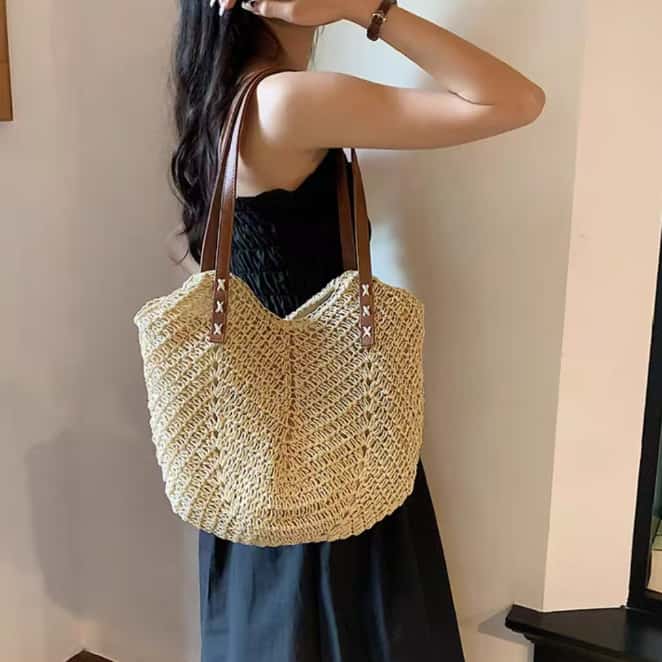
What Drives the Cost of Factory Direct Raffia Bags?
Understanding cost drivers helps you negotiate better. Here’s what actually impacts the price.
Material Grade
Not all raffia is the same. Higher-grade fibers are:
- Consistent in thickness and color
- Stronger and less brittle
- More flexible and easier to weave
Cheap fibers break during weaving and produce a rough, uneven finish. You get what you pay for.
Handmade vs. Machine-Assisted
This is the biggest cost driver.
| Handwoven | Machine-Made | |
| Labor time | Hours to days per bag | Minutes per bag |
| Cost | Higher (+20–40%) | Lower |
| Quality | Unique, artisan finish | Uniform, consistent |
| Best for | Premium brands | Mass market |
If you‘re selling to eco-conscious shoppers, handwoven is worth the premium. It tells a story that machine-made can’t.
Customization Level
The more you customize, the higher the cost.
- Logo printing: Adds screen setup fees
- Leather trims: Genuine leather costs more than PU
- Linings: Cotton is more expensive than polyester
- Unique shapes: Requires new patterns and training
- Special dyes: Custom colors add labor and material costs
Pro tip: If you‘re on a budget, pick from existing colors and standard sizes. Customization adds 15–30% to your unit cost.
Order Volume (MOQ)
This one’s simple: the more you order, the less you pay per bag.
| MOQ | Typical Per-Unit Discount |
| 100–500 | Full price |
| 500–2,000 | 10–15% off |
| 2,000–5,000 | 15–25% off |
| 5,000+ | 25–35% off |
Economies of scale apply. If you can combine multiple SKUs into one order, you‘ll get better pricing.
How to Compare Supplier Quotes and Spot the Red Flags
Not all quotes are equal. Here’s what to look for.
Ask for a Full Breakdown
Don‘t accept a single number. Ask for:
- Material cost
- Labor cost
- Hardware cost (zippers, magnets, handles)
- Packaging cost
- Shipping cost (FOB vs. EXW)
Red flag: The supplier won’t break down the price. That usually means they‘re hiding something.
Check Hidden Costs
Some suppliers give you a low base price, then add fees later.
- Sampling fee — Paid samples that are deductible on bulk are standard. Free samples with high shipping costs? Not always a deal.
- Tooling fee — Custom shapes or embossing may require a one-time mold fee.
- Inspection fee — Third-party QC costs are sometimes passed to you.
- Documentation fee — Export paperwork shouldn’t cost extra. If it does, ask why.
Pro tip: Get everything in writing before you pay the deposit. And make sure you understand the Incoterms — FOB, EXW, CIF — and what‘s included.

Decoding Vague Terms on a Quote Sheet
Lead-in: Every word on a quote sheet could hide cost differences – learn to read between the lines.
| Quote Term | What It Really Means | What You Need to Ask |
|---|---|---|
| “Natural raffia” | May mean 100% natural, or may mean blended. Origin and purity not specified. | Where exactly is it from? What is the natural fiber percentage? |
| “Handmade” | Could be fully handmade, or just “final finishing done by hand.” | Which parts are handmade? Which are machine-assisted? What’s the ratio? |
| “Standard packaging” | Usually just a clear poly bag. Dust bags and tags are extra. | What exactly is included? Is a dust bag included? |
| “Sample fee refundable” | Sounds good – but usually only refundable after you place an order of X times the MOQ. | What are the refund conditions? What order size qualifies? |
| “Flexible MOQ” | May accept small orders, but unit price will increase significantly. | Can you provide a tiered pricing table by quantity? |
| “Lead time: 20–30 days” | Usually counted from deposit receipt + sample approval, excluding weekends and holidays. | When does the clock start? Are holidays included? |
Key takeaway: Never assume you and your supplier share the same understanding of a term. When you see something vague, ask “what exactly does that mean?” – turning vague into specific is the first step to avoiding disputes.
How to Evaluate a Factory Direct Quote
| What to Check | What to Look For | Red Flag |
| Unit price | Within market range ($3–5 for basic totes) | Below $2.50 (quality risk) |
| MOQ | Matches your order size | Too high or refuses to negotiate |
| Lead time | 25–35 days for bulk | Under 15 days (rushed = poor quality) |
| Sample policy | Paid sample, deductible on order | Free sample with high shipping |
| Payment terms | 30% deposit, 70% before shipping | 100% upfront |
| QC process | Multi-stage inspection | “Trust us, quality is good” |
| Certifications | ISO, BSCI, or similar | No certifications, no standards |
If a supplier passes all these checks, you‘re in good hands.
What‘s the Real Cost of Your Raffia Bag?
A low unit price doesn’t always mean a low total cost. Here’s what to watch for.
Hidden costs that can surprise you:
| Hidden Cost | What It Means | How to Spot It |
|---|---|---|
| Sampling fee | Not all suppliers deduct sample fees | Ask: “Is the sample fee deducted from my bulk order?” |
| Tooling fee | Custom shapes or embossing may have a one-time setup fee | Ask: “Are there any setup or tooling fees?” |
| Inspection fee | Third-party QC costs | Ask: “Who pays for inspection?” |
| Documentation fee | Some suppliers charge for export paperwork | Ask: “Are there any documentation fees?” |
| Shipping surcharges | Fuel, port, or handling fees | Ask: “What additional shipping charges apply?” |
| Duties and taxes | Import duties add 5–15% to landed cost | Check your local tariff rates for HS code 4602.11 |
What to ask before you commit:
- “Is there anything not included in the price I should know about?”
- “Can you provide a full cost breakdown — materials, labor, hardware, packaging, shipping?”
- “What’s the total landed cost to my warehouse?”
The bottom line: Don’t just look at the unit price. Factor in all the hidden costs — sample fees, tooling, inspections, shipping surcharges, and
What Can You Actually Negotiate in a Factory Quote?
Lead-in: A quote isn’t carved in stone. Know which parts have room to move, and you’ll save real money.
Different cost components have very different negotiation flexibility:
- Raw material costs – Room: small to moderate (5–10%). Ask for bulk discounts if your order is large. Switching to alternative origins or lower grades can save 15–25%.
- Labor costs – Room: very limited (≤5%). Wages are hard costs. Only leverage if your order fills their off-season capacity.
- Overhead and profit margin – Room: moderate (10–20%). The “softest” part. Offer annual volume commitment for price concessions. Healthy factory profit is 10–25% – above 30% may be inflated.
- Packaging and accessories – Room: significant (15–30%). Accept standard sizes, reduce layers, or supply your own materials to cut costs.
- Sample and setup fees – Room: moderate (often waivable). For orders ≥500 units, most factories waive or deduct sample fees from the bulk order.
Key takeaway: Focus negotiation efforts where they count (packaging, overhead, sampling) while respecting hard costs (materials, labor). Factories appreciate fair players and offer better long-term terms.
From Quote to Contract – The Confirmation Process
Lead-in: Email isn’t a contract, and verbal agreements don’t count – every milestone needs a written record.
| Checkpoint | What to Do | Written Proof |
|---|---|---|
| 1. Initial quote confirmation | Confirm pricing, MOQ, and lead time via email | Email: “We accept your quote at USD XX/unit, FOB Shanghai, MOQ 200, lead time 25 days.” |
| 2. Sample approval | Confirm spec sheet before shipping. Upon receiving sample, reply “approved” or “needs revision” | Email approval/revision decision |
| 3. Formal contract signing | Include: specs, price, MOQ, lead time, payment, AQL, inspection, penalties, dispute terms | Signed + stamped copies from both parties |
| 4. Deposit payment confirmation | Email payment proof and request production start confirmation | Payment receipt + factory’s written start-date confirmation |
| 5. Final pre-shipment confirmation | Request photos/videos, packing list, departure date. Reply “Approved for shipment” | Email approval + balance payment record |
Key takeaway: Keep all 5 records in one folder. Most disputes start with “both parties remember differently” – written proof is your only credible evidence.
Strategies for Building Long-Term Partnerships with Factories
6.1. From Trial Order to Long-Term Partner – A Phased Cooperation Roadmap
Lead-in: Your first order is just a “date” – a long-term partnership is a “marriage.” Each phase has different goals.
| Cooperation Phase | Order Size | Core Objective | Actions for the Brand |
|---|---|---|---|
| Trial Phase (Batches 1–2) | 1× MOQ (approx. 50–200 units) | Verify quality consistency, communication, and on-time delivery | Inspect in person or hire a third-party inspector. Document all issues. |
| Ramping Phase (Batches 3–5) | 1.5–2× MOQ | Optimize processes, shorten lead times, reduce defects | Share sales data with the factory so they understand your rhythm. |
| Stable Phase (6+ batches) | 2–3× MOQ | Secure capacity, priority scheduling, price discounts | Sign an annual framework agreement with quarterly rebate terms. |
| Strategic Partnership Phase | Flexible volume | Co-develop new styles, exclusive supply, co-branding | Involve the factory in early-stage design discussions to build deep trust. |
Key takeaway: Conduct a formal review at the end of each phase to confirm both parties are ready to move to the next stage. Do not skip any step.
Five Daily Habits for Maintaining Factory Relationships
Lead-in: Your best negotiation leverage isn’t pushing prices down – it’s making the factory feel you’re a client worth prioritizing.
Make these five practices part of your routine:
- Share your brand content – Send the factory your social media posts, reviews, and unboxing videos. Let them see their work being loved – it builds pride and ownership.
- Communicate early – Give 4–6 weeks’ notice on upcoming colors, quantities, and special needs. This gives them time to prepare – and rush-order premiums drop naturally.
- Pay on time, or early – This builds trust faster than anything. If possible, increase deposits or settle balances before delivery. Factories prioritize prompt payers.
- Offer improvement feedback – After each inspection, share a brief report with photos. Example: “Handle stitching is 2mm off – please adjust the jig.” Help them improve, and they’ll return the favor.
- Keep it personal – Remember names, birthdays, family details. A WeChat holiday greeting often works better than a formal complaint email.
Key takeaway: Factories are run by people. Treat them as partners, not just suppliers – and your priority access and bargaining power will grow naturally.
Logistics, Customs Clearance, and Arrival Inspection
7.1. International Shipping Method Comparison and Selection Guide (Don’t Just Look at Freight Quotes)
Lead-in: The cheapest shipping option is often not the lowest total cost – factor in time and risk as well.
| Shipping Method | Suitable Volume | Transit Time | Advantages | Disadvantages | Recommended Use |
|---|---|---|---|---|---|
| FCL (Full Container) | ≥ 1 x 20ft (500–1,000 bags) | 20–35 days | Lowest unit cost | High capital tie-up, complex clearance | Mature brands doing quarterly restocking |
| LCL (Less than Container) | 1–5 CBM (50–200 bags) | 25–40 days | Low minimum, moderate cost | Unstable timing, possible inspection delays | Trial orders or mid-size restocking |
| Express (DHL/FedEx/UPS) | ≤ 50 bags | 3–7 days | Fastest, door-to-door | Highest cost, volumetric pricing | Emergency restocking, samples, limited editions |
Key takeaway: When requesting quotes, ask for fuel surcharges, destination port charges (THC), and delivery fees. Many beginners compare only ocean freight and end up paying 30–50% in extra fees upon arrival.
Customs Clearance Document Checklist and Tax Budgeting
Lead-in: Goods being loaded is only the first half – customs clearance determines whether you launch on time.
Prepare these six core documents in advance:
- Commercial Invoice – Must include buyer/seller info, product description, quantity, unit price, total value, and incoterms. Invoice value must match payment records – customs will cross-check.
- Packing List – Lists quantity, gross/net weight, and carton dimensions per box. Number each box and mark style/color on the outside.
- Bill of Lading (B/L) – Proof of ownership. Use Telex Release instead of original documents to avoid loss in transit.
- Certificate of Origin – Required for tariff preferences in some markets. Apply through your local Chamber of Commerce – low cost, worth doing.
- Power of Attorney (POA) – Authorizes your customs broker. Sign this well in advance.
- Compliance Certificates (if needed) – Some countries require fumigation/heat treatment or phytosanitary certificates for plant fibers. Confirm with your factory early.
Key takeaway: Estimate duties using your destination country’s customs website or broker before shipping. Factor these into your total cost – unexpected duties can wipe out your profit margin.
Wrapping it Up
Finding factory direct raffia bags at competitive prices isn’t complicated — but it takes homework.
Know your sourcing regions. Understand cost drivers. Compare quotes with a full breakdown. Watch for hidden fees. And always, always order a sample first.
The best price isn‘t always the lowest. It’s the one that gives you good quality, reliable delivery, and a supplier you can trust for the long haul.
Ready to source factory direct raffia bags?
Contact Rafico Accessories for a custom raffia bag quote or wholesale pricing. We‘ll help you find the right price — without compromising quality.