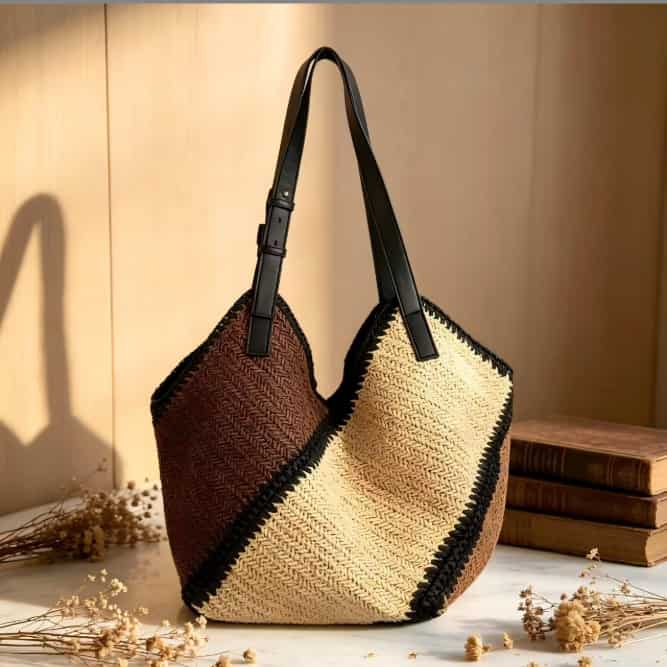
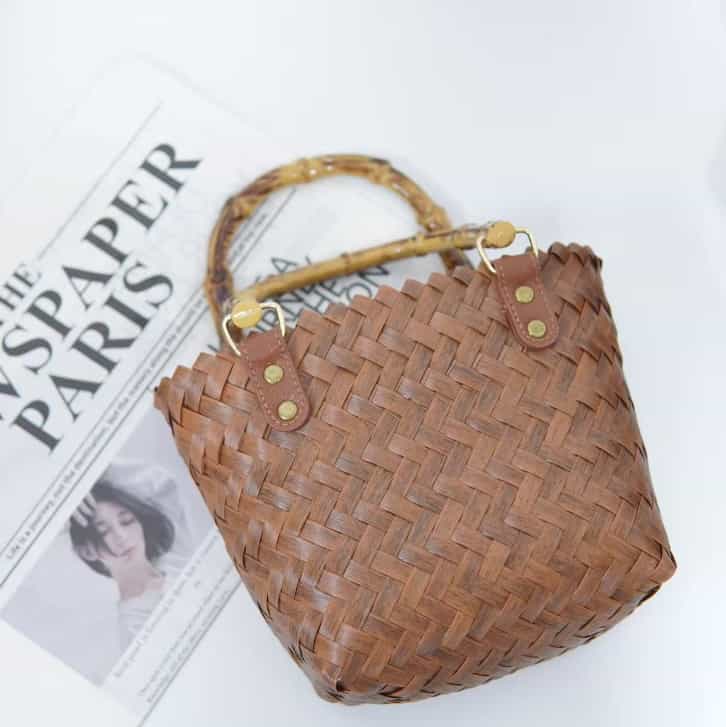
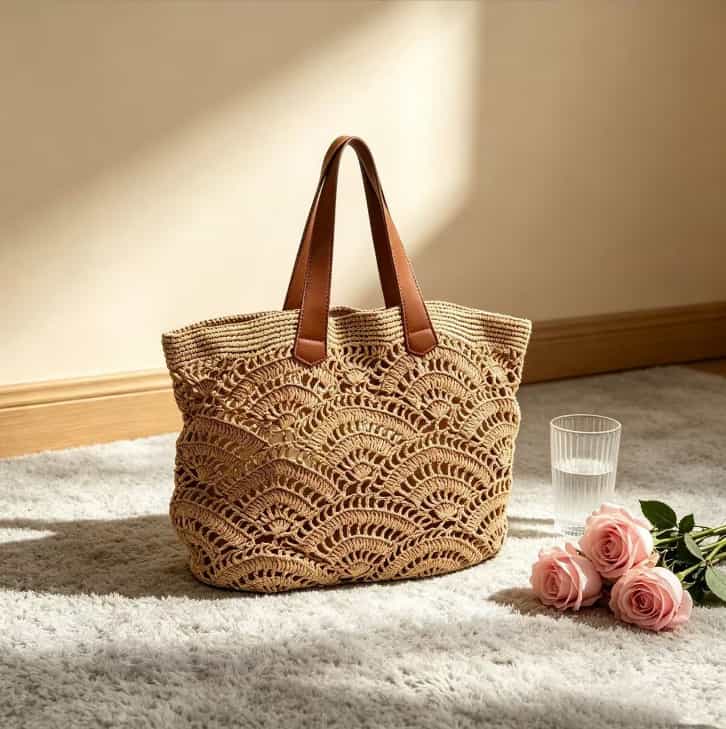
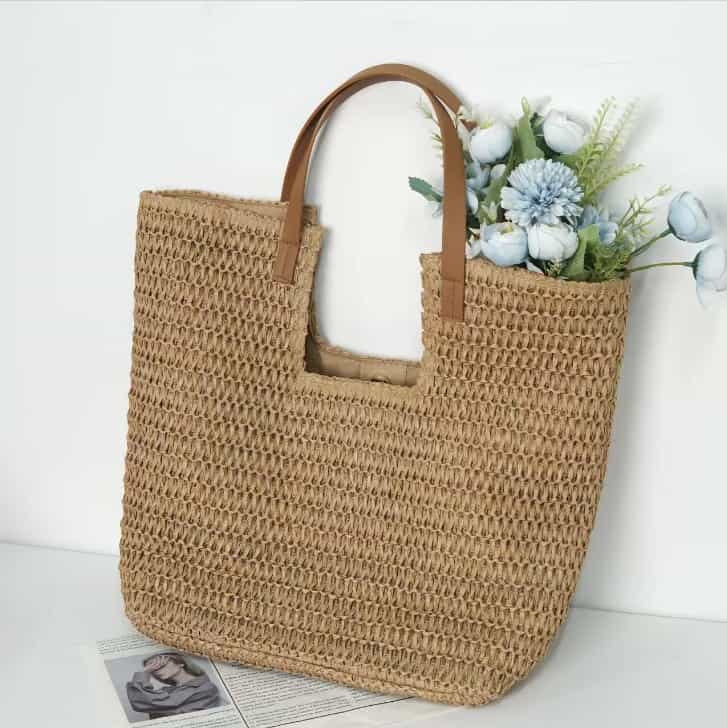
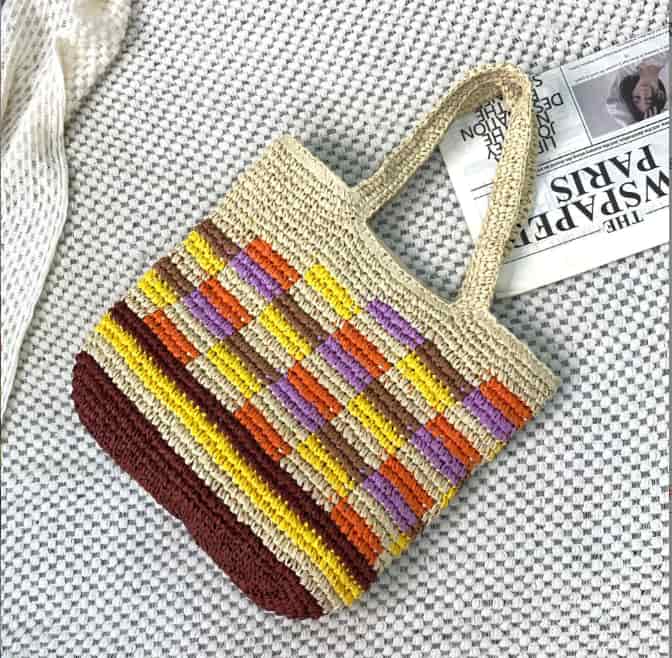
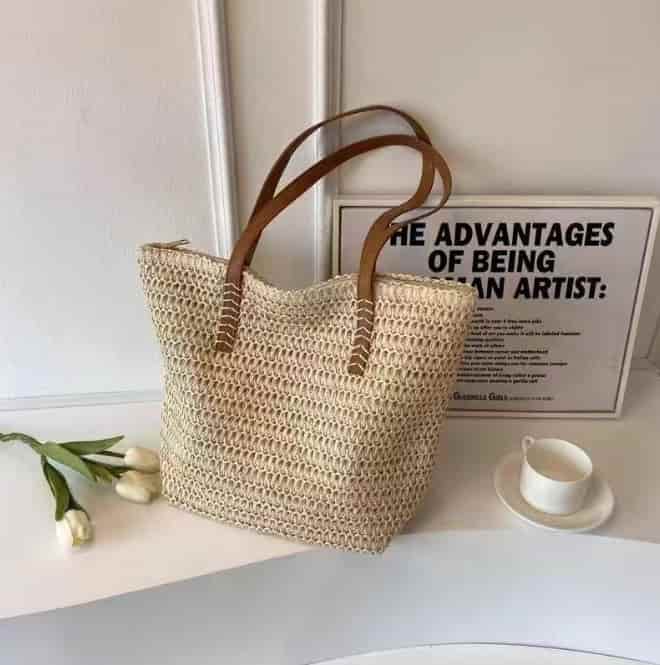
Let’s be honest — if you’re sourcing natural fiber bags, you’ve probably wondered: what’s the actual difference between raffia, seagrass, and jute?
They all look natural. They’re all eco-friendly. They’re all woven into bags. But they’re not the same.
Each material has its own personality — different feel, different durability, different look. Choose the wrong one for your product, and you’ll end up with unhappy customers wondering why their “straw bag” doesn’t feel right.
This guide covers everything you need to know about raffia, seagrass, and jute — where they come from, how they feel, how durable they are, what they’re best for, and how to tell good quality from bad — so you can choose the right fiber for your bags.
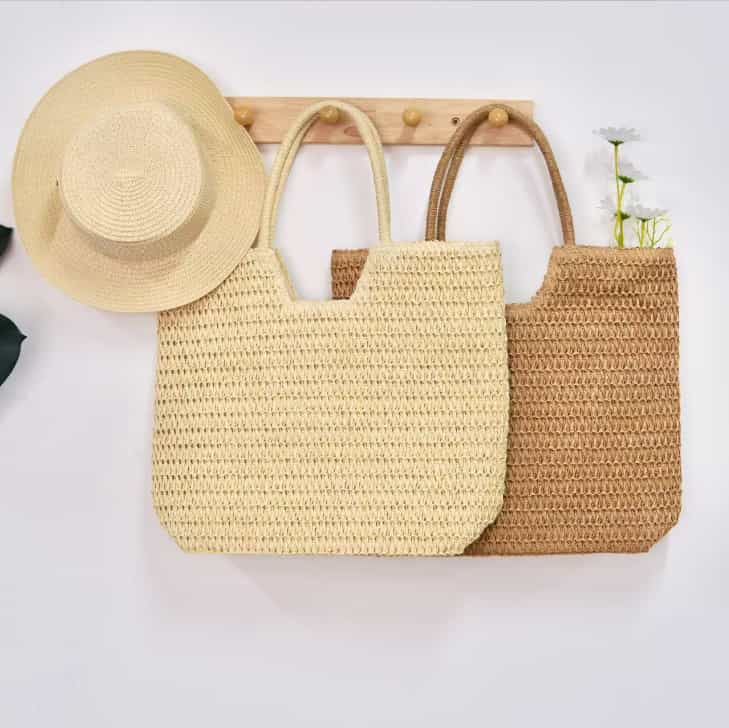
Raffia – The Soft, Flexible Favorite
Raffia comes from the leaves of the raffia palm tree, which is native to Madagascar and now grows in many tropical countries. It’s a natural straw-like material obtained by peeling the outer layer of palm leaves to reveal the fibers underneath.
Where Does Raffia Come From?
The world’s best raffia comes from Madagascar — approximately 80% of the global supply originates there. Other sources include East Africa (Tanzania, Kenya) and Southeast Asia (Indonesia, Philippines), though quality from these regions varies and is sometimes blended with synthetics.
Raffia quality by region:
| Region | Quality Level | Characteristics |
| Madagascar | Premium | Long, consistent fibers; resilient; natural sheen |
| East Africa | Good | Decent quality, less consistent |
| Southeast Asia | Variable | Shorter fibers, sometimes blended |
How raffia is harvested:
| Stage | What Happens | Why It’s Sustainable |
| Pruning | Leaves are cut from the palm | The tree isn’t cut down – it keeps growing |
| Stripping | Outer layer removed to reveal fibers | Every part of the leaf is used – zero waste |
| Drying | Fibers sun-dried for 24 hours | No energy needed – just sunlight |
| Sorting | Fibers graded by quality and color | Only the best fibers are used |
The bottom line: Raffia comes from a tree that isn’t cut down – just pruned. This makes it one of the most sustainable materials in fashion. The tree continues producing leaves year after year, making it a truly renewable resource.
What Makes Raffia Special?
Raffia is the softest and most flexible of the natural fibers. It feels smooth against the skin, drapes naturally, and is comfortable to carry.
Key characteristics of raffia:
- Soft and pliable – Raffia is one of the softest natural fibers. It bends easily, drapes naturally, and feels comfortable against the skin.
- Lightweight – Raffia bags are incredibly light. You barely notice you’re carrying one — perfect for everyday use and travel.
- Takes dye well – Raffia absorbs color beautifully, which is why you see it in so many colors — from natural beige to bright summer shades.
- Surprisingly durable – Despite its softness, raffia is tough. The fibers are long and continuous, which means fewer weak points.
- Breathable – The woven structure allows air circulation, preventing musty smells.
- Biodegradable – Like all natural fibers, raffia breaks down naturally at the end of its life.
What Bags Is Raffia Best For?
Raffia’s softness and flexibility make it ideal for fashion-forward, everyday bags.
Best bag styles for raffia:
| Bag Style | Why It Works |
| Tote | Lightweight, roomy, everyday essential |
| Crossbody | Comfortable, hands-free, easy to carry |
| Clutch | Soft, elegant, perfect for evenings |
| Bucket bag | Soft structure, stylish and practical |
| Crochet bag | Raffia’s softness is ideal for hand-crocheted designs |
Bag styles to avoid with raffia:
| Bag Style | Why It Doesn’t Work |
| Highly structured bags | Raffia is too soft to hold rigid shapes |
| Bags exposed to heavy rain | Raffia is not waterproof – water can deform it |
| Bags carrying very heavy loads | While durable, raffia is not designed for extreme weight |
What Do Customers Love About Raffia?
Based on actual sales data and customer feedback, here’s what buyers appreciate most about raffia bags:
What customers love:
- Soft, comfortable feel – Smooth, pleasant to touch, doesn’t scratch skin
- Incredibly lightweight – Comfortable for all-day carry
- Premium look at affordable prices – Raffia looks expensive but wholesales for just a few dollars
- Wide color range – From natural tones to vibrant summer shades
- Unique character – Each handwoven raffia bag has slight variations, unlike mass-produced bags
- Eco-friendly – Customers feel good about buying natural, biodegradable materials
How Does Raffia Compare to Other Natural Fibers?
Raffia sits at the “soft and flexible” end of the natural fiber spectrum.
Raffia vs. other natural fibers:
| Factor | Raffia | Jute | Seagrass | Cotton |
| Softness | Highest | Low | Low | High |
| Flexibility | High | Low | Low | High |
| Strength | Good | Very high | High | Medium |
| Weight | Very light | Medium | Medium | Light |
| Water resistance | Low | Low | High | Low |
| Color options | Many | Limited | Limited | Many |
Why raffia wins for fashion bags:
| Advantage | Why It Matters |
| Softest natural fiber | Comfortable to carry |
| Most flexible | Drapes naturally, molds to body |
| Lightest weight | Easy to carry all day |
| Best color options | Fashion-forward, versatile styling |
The bottom line: Raffia is the softest, lightest, and most flexible natural fiber – making it the best choice for fashion bags. For everyday use, errands, and stylish accessories, raffia is the clear winner.
How to Spot Good Quality Raffia
Not all raffia is the same. Here’s how to tell good quality from poor quality.
Simple quality tests:
| Test | Good Raffia | Poor Raffia |
| Feel | Smooth, consistent, not scratchy | Rough, uneven, scratchy |
| Bend | Bends without breaking | Snaps or cracks when bent |
| Look | Even color, natural sheen | Uneven color, dull or blotchy |
| Smell | Light, earthy scent | Musty or chemical smell |
What to avoid:
| Issue | Why It’s a Problem |
| Brittle fibers | Will break during weaving – weak bag |
| Rough, scratchy feel | Uncomfortable to carry – unhappy customers |
| Uneven color | Poor dye quality – may fade or bleed |
| Chemical smell | May contain harmful dyes |
| Musty smell | Poor storage – possible mold |
How to Care for Raffia Bags
Raffia bags are durable, but proper care extends their lifespan. Here’s what your customers need to know.
Care tips:
| Care Item | How to Do It | Why |
| Cleaning | Wipe gently with a damp cloth – never soak | Raffia absorbs water and loses shape |
| Drying | Air dry in the shade – never in direct sun | Sunlight makes fibers brittle and fades color |
| Storage | Store flat or hanging – don’t crush | Prevents deformation |
| Moisture | Keep in dry, ventilated areas | Damp environments cause mold |
| Weight | Don’t overload regularly | Prevents fiber stretching |
What shortens the life of a raffia bag:
| Mistake | Consequence |
| Machine washing | Weave loosens or falls apart |
| Sun drying | Fibers become brittle and break |
| Overloading | Bag deforms, handles stretch |
| Storing damp | Mold growth, odors |
| Crushing | Bag loses shape permanently |
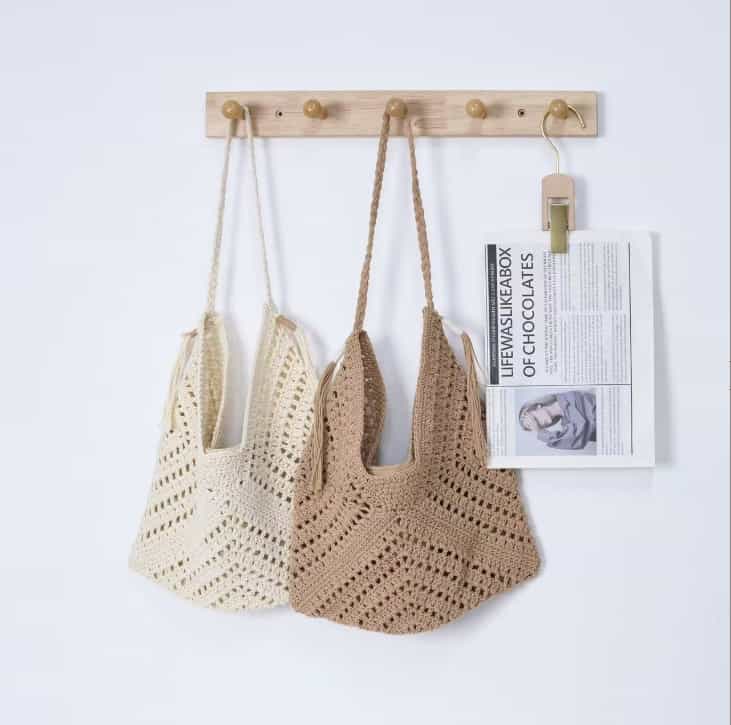
Seagrass – The Sturdy, Structured Option
Seagrass grows in coastal waters in Indonesia, Thailand, and the Philippines. It’s a fibrous, durable material commonly used by artisans and brands looking for eco-friendly, biodegradable, sustainable materials. Bags made from seagrass have a distinct “structure” – they hold their shape and stand up on their own.
What Makes Seagrass Special?
Seagrass and raffia are completely different in character. Seagrass is stiffer, more rigid, and has more “skeleton” – bags made from it have a strong sense of structure.
Key characteristics of seagrass:
- More rigid – Seagrass is stiffer than raffia. It holds its shape well and doesn’t flop around.
- Water-resistant – Seagrass naturally resists water better than raffia or jute, making it ideal for beach and outdoor use.
- Textured surface – The fibers are coarser and more textured, giving bags a distinct, natural look.
- Durable – Seagrass is tough and stands up to heavy use.
- Biodegradable – Like raffia and jute, seagrass breaks down naturally at the end of its life.
What Bags Is Seagrass Best For?
Seagrass is ideal for bags that need to hold their shape and handle the elements.
Best bag styles for seagrass:
| Bag Style | Why It Works |
| Beach bags | Water-resistant, sand falls through, easy to clean |
| Market totes | Sturdy, holds shape when full |
| Storage baskets | Stands up on its own, natural look |
| Structured totes | Holds its shape even when empty |
| Travel bags | Lightweight but durable, easy to pack |
Bag styles to avoid with seagrass:
| Bag Style | Why It Doesn’t Work |
| Soft, slouchy bags | Seagrass is too stiff for slouchy styles |
| Formal or dressy bags | Too rustic and coarse for formal occasions |
| Bags worn close to the body | Stiff fibers can be uncomfortable against the skin |
What Do Customers Love About Seagrass?
Customers who buy seagrass bags are usually drawn to its practicality and unique personality.
What customers love:
- Holds its shape – Never flops or collapses, looks great even when empty
- Water-resistant – Perfect for beach, pool, and outdoor use
- Durable – Withstands heavy use and rough handling
- Natural, textured look – Distinct, rustic appearance that stands out
- Unique – Different from common canvas or leather bags
Seagrass Bag Care Tips
Seagrass is more water-resistant than raffia, but proper care is still important.
Seagrass care tips:
| Care Item | How to Do It | Why |
| Cleaning | Wipe with a dry or slightly damp cloth | Water softens seagrass and affects its rigidity |
| Drying | Air dry in the shade | Sun exposure makes it brittle and can cause cracking |
| Storage | Stand upright to maintain shape | Once crushed, seagrass is hard to reshape |
| Moisture | Avoid prolonged soaking | Extended soaking damages the fiber structure |
Seagrass pros and cons:
| Pros | Cons |
| Holds shape well, doesn’t sag | Stiff hand feel, not soft |
| Water-resistant, great for outdoor use | Coarse texture, not refined |
| Very durable | Limited color options |
| Strong natural look, distinct | Not suitable for formal occasions |
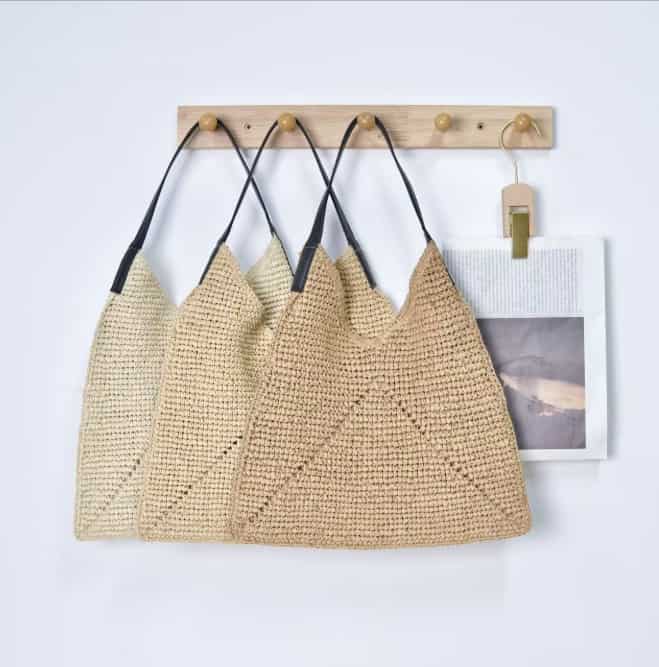
Jute – The Strong, Rustic Workhorse
Jute is a long, soft, and shiny fiber extracted from the bark of the jute plant. It’s one of the strongest natural fibers in the world and the second most produced natural fiber after cotton. One hectare of jute can absorb approximately 15 tons of carbon dioxide and release 11 tons of oxygen per year – making jute one of the most carbon-positive crops in the textile industry.
What Makes Jute Special?
Jute is the “durable and functional” option. It’s not as refined as raffia, but when it comes to strength, raffia and seagrass simply can’t compete.
Key characteristics of jute:
- Extremely strong – Jute is one of the strongest natural fibers available. It can handle heavy loads without breaking.
- Rustic look – Jute has a coarse, textured appearance that gives bags a natural, earthy feel.
- Affordable – Jute is cheaper than most other natural fibers, making it a cost-effective option.
- Biodegradable – Like raffia and seagrass, jute is 100% biodegradable.
What Bags Is Jute Best For?
Jute is ideal for bags that need to carry heavy loads.
Best bag styles for jute:
| Bag Style | Why It Works |
| Shopping bags | Holds heavy items without stretching or breaking |
| Backpacks | Durable, strong, holds its shape |
| Heavy-duty totes | Can handle maximum weight and wear |
| Market bags | Keeps its shape even when full |
| Promotional bags | Affordable, eco-friendly, good for branding |
Bag styles to avoid with jute:
| Bag Style | Why It Doesn’t Work |
| Waterproof bags | Jute absorbs water – not suitable for rain |
| Formal or dressy bags | Too rustic and coarse for formal occasions |
| Bags for delicate items | Rough texture may snag soft fabrics |
What Do Customers Love – and Dislike – About Jute?
Customers who buy jute bags are typically drawn to its practicality and sustainability.
What customers love:
- Very strong – Handles heavy loads without breaking
- Affordable – The most budget-friendly natural fiber
- Eco-friendly – Biodegradable, customers feel good about buying it
- Simple and natural – Not flashy, but timeless and classic
- Durable – Lasts a long time with proper care
What customers dislike:
| Dislike | Why |
| Rough texture | Not soft – can feel scratchy |
| Not waterproof | Can’t be used in the rain |
| Limited color options | Mostly natural earthy tones |
Jute Bag Care Tips
Jute’s biggest weakness is water. Proper care is essential for longevity.
Jute care tips:
| Care Item | How to Do It | Why |
| Cleaning | Wipe with a dry cloth – don’t wash with water | Jute weakens when wet |
| Drying | If damp, air dry in the shade | Prevents mold |
| Waterproofing | Avoid rain and wet conditions | Jute loses strength when wet |
| Storage | Keep in dry, ventilated areas | Prevents dampness and mold |
Jute pros and cons:
| Pros | Cons |
| Very strong and durable | Rough texture, not soft |
| Affordable | Not waterproof |
| Eco-friendly and biodegradable | Limited color options |
| Simple, natural look | Not suitable for formal occasions |
Eco-Friendliness Comparison – Raffia, Seagrass, and Jute
All three materials are natural fibers and 100% biodegradable, but each has different eco-credentials:
| Eco-Factor | Raffia | Seagrass | Jute |
| Renewability | High (tree keeps growing) | High (self-renewing) | High (annual plant) |
| Biodegradability | 100% | 100% | 100% |
| Water usage | Very low (rain-fed) | None (natural growth) | Low (much lower than cotton) |
| Chemical usage | Minimal | Minimal | Minimal |
| Carbon absorption | Moderate | Moderate | High (15 tons CO₂/ha/year) |
| Processing energy | Very low (sun-dried + handwoven) | Very low | Low |
Side-by-Side Comparison – Raffia, Seagrass, and Jute
| Factor | Raffia | Seagrass | Jute |
| Feel | Soft, smooth, flexible | Stiff, rigid, coarse | Rough, textured |
| Softness | Highest | Low | Low |
| Flexibility | High | Low | Low |
| Strength | Good | High | Very high |
| Weight | Very light | Medium | Medium |
| Water resistance | Low | High | Low |
| Color options | Many | Limited | Limited |
| Price | Moderate | Moderate | Low |
| Best for | Fashion bags, daily totes, clutches | Beach bags, baskets, storage | Shopping bags, backpacks, heavy-duty use |
| Eco-friendliness | Excellent | Excellent | Excellent |
| Care difficulty | Moderate | Low | Moderate |
How to Choose – A Simple Decision Guide
| Your Situation | Choose | Why |
| Making fashion handbags, want soft feel, want color variety | Raffia | Softest, lightest, most color options |
| Making beach bags, baskets, want structured shape | Seagrass | Stiff, water-resistant, holds shape |
| Making shopping bags, backpacks, need durability | Jute | Strongest, most affordable, most durable |
| Customers value style and versatility | Raffia | Most fashionable and versatile |
| Customers value practicality and durability | Jute | Most functional and rugged |
| Making outdoor/beach bags | Seagrass | Water-resistant and durable |
| Making photo-worthy, social media-friendly bags | Raffia | Great colors, beautiful texture, photographs well |
| Making promotional gifts or giveaways | Jute | Cheapest, printable with logos |
| Making home storage/organization items | Seagrass | Holds shape, stands up, looks great |
How to Match Fiber to Your Customer’s Lifestyle
Your customers’ daily habits should guide your fiber choice. Here’s a quick guide.
What customers value:
| Customer Priority | Best Fiber | Why |
| Style and comfort | Raffia | Soft, stylish, lightweight |
| Durability and structure | Seagrass | Sturdy, holds shape, water-resistant |
| Strength and affordability | Jute | Strong, affordable, practical |
| Eco-friendliness | All three | All natural and biodegradable |
| Versatility | Raffia | Works for multiple occasions |
Quick decision guide:
| Your Customer Type | Recommended Fiber | Why |
| Fashion-conscious shoppers | Raffia | Soft, stylish, available in many colors |
| Beach-goers | Seagrass | Water-resistant, structured, durable |
| Everyday commuters | Raffia | Lightweight, comfortable, versatile |
| Market shoppers | Jute or Seagrass | Strong, holds weight, sturdy |
| Eco-conscious shoppers | Any | All are natural and biodegradable |
| Business/gift buyers | Jute | Affordable, customizable with logos |
| Home organizers | Seagrass | Holds shape, stands up on its own |
The bottom line: Match the fiber to your customer’s lifestyle. Fashion shoppers want raffia’s softness and style. Beach-goers need seagrass’s water resistance. Heavy-duty users need jute’s strength. Know your customer, and you’ll know which fiber to choose.
How to Test Fiber Quality Before Buying
Before you commit to a bulk order, test the fiber quality. Here’s how.
Simple fiber quality tests:
| Test | How to Do It | What to Look For |
| Feel test | Rub the fiber between your fingers | Smooth, consistent feel – not rough or brittle |
| Flex test | Bend the fiber gently | Bends without breaking – not stiff or brittle |
| Strength test | Pull the fiber gently | Strong, doesn’t snap easily |
| Color test | Check color consistency | Even color throughout – no blotchiness |
| Smell test | Smell the fiber | Natural, earthy smell – not chemical or musty |
What to avoid:
| What to Avoid | Why |
| Brittle fibers | Will break during weaving |
| Rough, scratchy texture | Uncomfortable to carry |
| Uneven color | Poor dye quality |
| Chemical smell | May contain harmful chemicals |
| Musty smell | Poor storage – may have mold |
The bottom line: Quality fiber feels smooth, bends without breaking, and has an even, natural appearance. Test fibers before you order – poor quality fibers make poor quality bags. A quick test can save you from a bad order.
How to choose the right Material and the right supplier
Choosing the right material is only half the battle. The same material can vary dramatically in quality between suppliers.
What to look for in a supplier:
| What to Check | What to Look For | Red Flag |
| Sample availability | Can they send a sample? | Refuses to send samples |
| Fiber quality | Smooth, even color, consistent thickness | Uneven, rough, discolored |
| Weave quality | Tight, even, no gaps | Loose, crooked, uneven |
| Pricing | Within reasonable market range | Suspiciously low price |
| Communication | Responsive, professional | Slow, vague, unprofessional |
Practical Advice for Buyers
Here are some practical tips for buyers choosing natural fiber materials:
1. Always order samples – don’t rely on photos alone
Photos and reality can be very different. Spending a few dozen dollars on a sample is far better than spending thousands on a batch of unsuitable bags.
2. Choose materials based on use case
- Daily commuting, fashion styling → Raffia
- Beach, outdoor, humid environments → Seagrass
- Shopping, heavy loads, promotional gifts → Jute
3. Don’t just look at price
A cheap material isn’t necessarily cost-effective. If the bags don’t sell well or have high return rates, you’ll end up losing more.
4. Choose the right supplier
A good supplier will help you control material quality. A bad supplier won’t even know the grade of fibers they’re using.
How to Build a Long-Term Supplier Relationship
Finding the right supplier is just the first step. Building a long-term relationship ensures consistent quality and better service.
Why a long-term relationship matters:
| Benefit | Why It Matters |
|---|---|
| Consistent quality | Suppliers who know your standards deliver the same quality every time |
| Priority service | Your orders get prioritized during busy seasons |
| Better pricing | Loyal customers often get better rates |
| Flexibility | Suppliers are more willing to accommodate special requests |
| Problem-solving | They’ll work with you to fix issues quickly |
| Early access | You get first pick of new materials and designs |
How to build a strong relationship:
- Pay on time – Builds trust and shows you’re reliable
- Communicate clearly – Share your expectations and feedback
- Visit the factory – Personal connection builds trust
- Share your plans – Let them know your future needs
- Be fair – Don’t squeeze for every penny; leave room for a healthy partnership
- Give feedback – Help them improve and grow with you
Wrapping it Up
Raffia, seagrass, and jute are all excellent natural fibers — but they’re not interchangeable.
Choose the right one, and your customers will love the quality and keep coming back. Choose the wrong one, and they’ll wonder why their “natural fiber bag” doesn’t feel right — and they won’t trust your brand again.
- Raffia – Soft, flexible, stylish. The top choice for fashion bags and everyday totes.
- Seagrass – Sturdy, water-resistant, structured. Ideal for beach bags and storage.
- Jute – Strong, rustic, affordable. The workhorse of natural fibers.
Ready to source the right natural fiber bags for your brand?
Contact Rafico Accessories for a custom raffia bag quote or wholesale pricing. We’ll help you choose the right material for your collection.