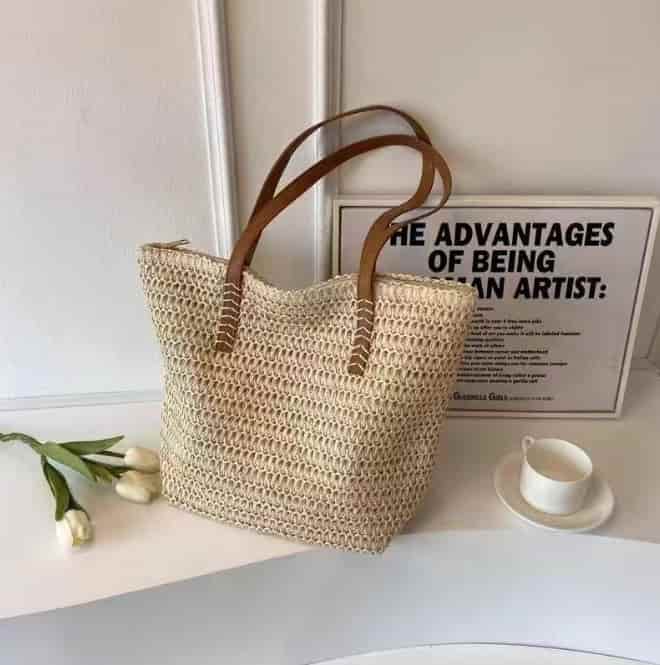
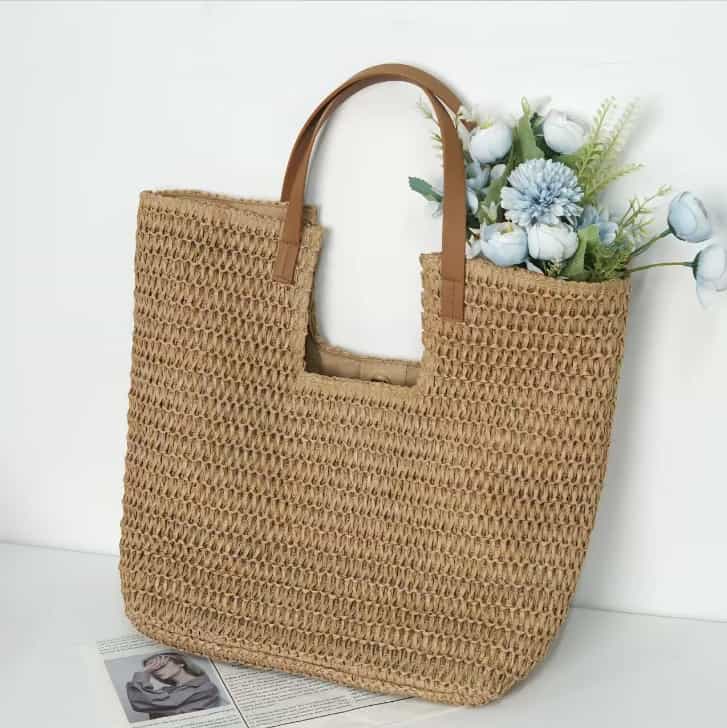
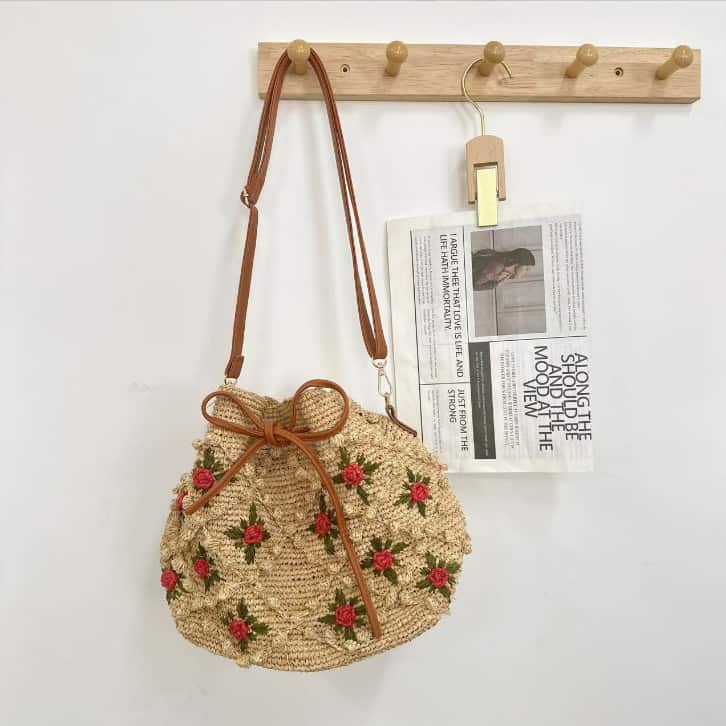
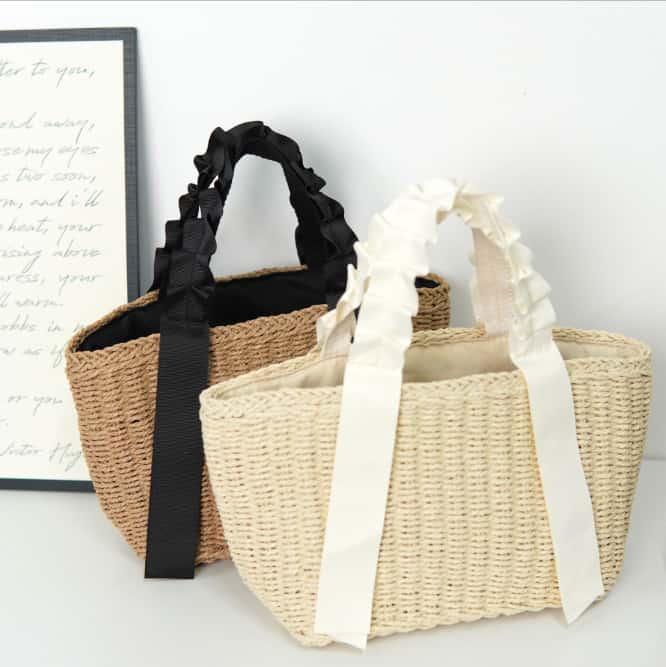
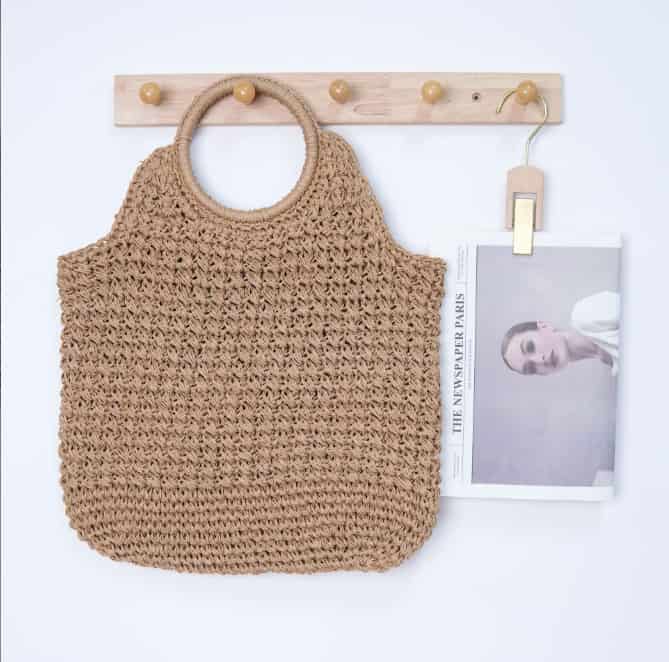
Here’s something I hear all the time from retailers: “My customers love raffia bags, but I wasn’t sure they’d hold up.”
And honestly? I get it. Raffia looks delicate. It has that natural, airy, summery vibe. A lot of people assume it’s fragile — something you’d only carry to the beach and nowhere else.
But here’s the thing — that assumption is wrong.
A well-made raffia bag is durable and lightweight at the same time. And that combination is exactly why shoppers can’t get enough of them.
Let’s break down why shoppers love raffia bags — and why you should stock them.
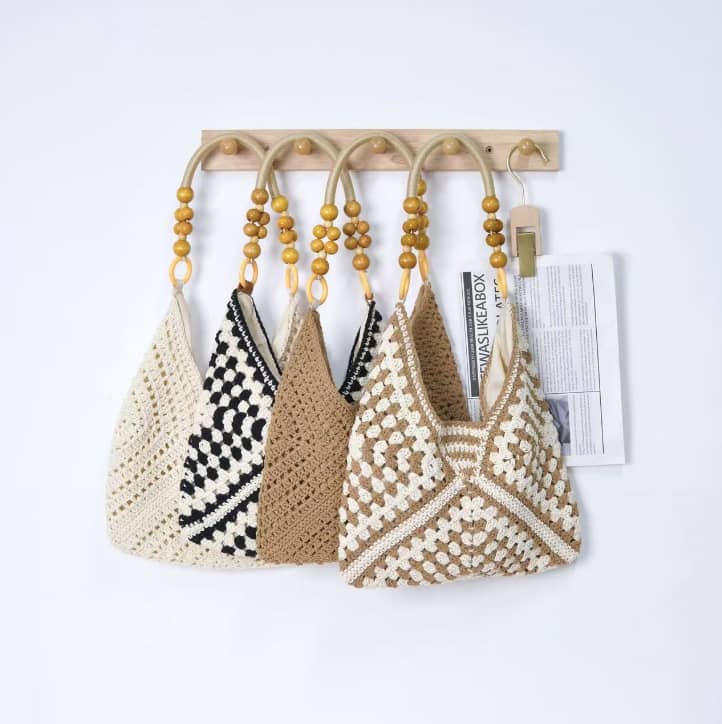
What Makes Raffia Both Durable and Lightweight?
Let’s start with the obvious question: How can something so light also be strong?
The answer is in the fiber itself.
Raffia comes from the leaves of the raffia palm. The fibers are naturally long, flexible, and surprisingly tough. When they’re woven tightly — by hand or machine — they create a fabric that’s:
- Strong enough to carry everyday items without stretching or tearing
- Flexible enough to bend and move with you
- Light enough that you barely notice you’re carrying it
Think of it like this: A steel cable is heavy and strong. A cotton rope is light but not that strong. Raffia sits in the middle — light and strong.
Here’s a quick comparison:
| Material | Weight | Durability | Best For |
| Raffia | Very light | High (with tight weave) | Everyday bags, totes |
| Cotton | Light | Medium | Casual bags, linings |
| Leather | Heavy | Very high | Premium bags, workwear |
| Jute | Medium | High (but stiff) | Totes, rugs |
| Polyester | Light | Medium (but not eco-friendly) | Synthetic bags |
The bottom line: Raffia gives you the best of both worlds — it’s light enough to carry all day, but strong enough to actually use.
What Makes Raffia So Strong?
Let’s get a little nerdy for a second.
Raffia fibers are made of cellulose — the same stuff that gives wood and cotton their strength. But here’s what makes raffia special: the fibers are long and continuous, unlike cotton or jute, which are made of shorter fibers spun together.
What that means in practice:
- Long fibers = fewer weak points. Short fibers have lots of places where they can break. Long fibers don’t.
- Natural flexibility. Raffia bends without breaking because the fibers are designed to move with the wind on the palm tree.
- Moisture resistance. Raffia naturally repels water better than cotton or jute, which means it doesn’t get heavy or weak when wet.
Another factor: The way raffia is harvested matters. The best raffia comes from leaves that are fully mature but not too old. Too young = weak. Too old = brittle. Good suppliers know exactly when to harvest.
Here’s what that means for your customers: A well-made raffia bag can handle daily use — and the natural fibers actually get a little softer and more flexible over time without losing strength. It’s not like synthetic materials that degrade and get brittle.
Why a Tight Weave Makes All the Difference
Here’s something a lot of people don’t realize: Raffia’s strength doesn’t just come from the fiber itself. It also comes from the way it’s woven.
Think of it like this: Individual raffia fibers are like threads. By themselves, they’re flexible and lightweight, but they can also be stretched or snapped with enough force.
The magic happens when you weave them together tightly. Each fiber supports its neighbors. The load gets distributed across hundreds of interlocking points rather than a single weak spot.
Here’s the difference it makes:
| Weave Type | Strength | Flexibility | Weight | Visual Quality |
| Tight weave | High – distributed load | Medium – holds its shape | Light but sturdy | Smooth, polished |
| Loose weave | Low – load on single fibers | High – floppy | Light but weak | Gappy, messy |
The takeaway for you: A loose weave is the enemy of durability. No matter how good the fiber is, if the weave is loose, the bag will stretch out, snag on things, and eventually fail. A tight weave is what transforms lightweight raffia into something genuinely strong.
One more thing: A tight weave also looks better. It gives the bag a smooth, polished finish that feels more premium to shoppers. Loose weaves look messy and cheap — even if the fiber itself is decent quality.
Why “Lightweight” Matters More Than You Think
Here’s the simple truth: People buy raffia bags because they’re light. But let me tell you why that matters more than you might realize.
A raffia tote can weigh under 300 grams — sometimes as little as 200g. Compare that to a leather tote that can weigh 800g+ even before you put anything inside. Customers feel the difference the moment they pick it up.
Why that matters for you as a retailer:
- Lower shipping costs – Lightweight construction means more units per carton and lower freight per bag
- Satisfied customers – Shoppers actually reach for the bag, not leave it in the closet
- Longer wear – Happy customers reach for a bag again and again, giving you organic word-of-mouth and repeat purchases
Here’s the thing: A heavy bag doesn’t get used. A light bag does. And when people use a bag every day, they notice its quality — the weave, the handles, the details. That’s what builds brand loyalty.
The bottom line: Lightweight isn’t just a feature. It’s the reason shoppers pick raffia over leather or canvas in the first place. And that’s exactly why you should be stocking it.
How to Test Raffia Bag Durability Yourself
You don’t need a lab to check if a raffia bag is durable. Here are simple tests you can do on a sample.
Three simple durability tests:
| Test | How to Do It | What to Look For |
|---|---|---|
| The stretch test | Gently pull the bag from both sides | Minimal stretch — bag returns to shape |
| The load test | Fill the bag with 5–8 lbs (books or water bottles) | No sagging, handles stay attached |
| The rub test | Rub the surface with your hand 10 times | No loose fibers or fraying |
What these tests tell you:
- Stretch test – A tight weave holds its shape. Loose weave stretches and won’t return.
- Load test – Handles should stay attached. The bottom shouldn’t sag or bulge.
- Rub test – Good raffia doesn’t shed fibers. If it frays easily, it’s low quality.
Pro tip: Test 3–5 bags from your sample batch, not just one. Variations between bags can indicate inconsistent quality.
The bottom line: These tests take five minutes and cost nothing. Use them to catch durability issues before you place a bulk order.
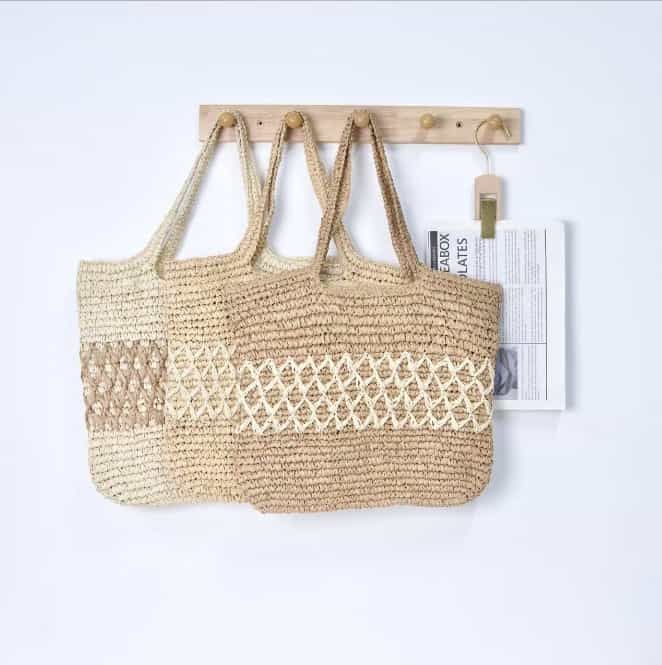
Real-World Durability — What Can a Raffia Bag Actually Handle?
So what does “durable” mean in real life? Here’s what a well-made raffia bag can handle.
What Shoppers Actually Carry in Raffia Bags
- Laptop (13–15 inch)
- Water bottle
- Wallet, keys, phone
- Makeup bag
- Groceries (produce, bread, small items)
- Beach towel and sunscreen
- Diapers and baby essentials
A tight weave with reinforced handles and a sturdy bottom can handle 10–15 pounds of everyday items without stretching or breaking. That’s more than enough for most shoppers’ daily needs.
What it can’t handle: Extreme weight (like textbooks or gym weights). But that’s not what raffia bags are for.
The key takeaway: For 90% of everyday use cases, raffia is strong enough. And because it’s lightweight, shoppers don’t feel weighed down like they do with leather or canvas bags.
Real shopper feedback patterns:
- “I carry my laptop in it every day”
- “Took it to the beach and it held everything”
- “Light enough for long shopping trips”
- “Much stronger than it looks”
Why Retailers Love Raffia — It’s Practical for Business
It’s not just shoppers who love raffia bags. Retailers do too. Here’s why.
Lower Shipping Costs
This one’s simple. Raffia bags weigh less than leather, canvas, or denim bags. That means:
- More bags per carton
- Lower freight costs per unit
- Higher margins for you
Example: A leather tote might weigh 800g. A raffia tote of the same size weighs around 300g. On a 500-unit order, that’s 250kg less weight — which can save you hundreds on shipping.
Fewer Returns
A well-made raffia bag with tight weave and reinforced handles lasts. Customers don’t return them because they fell apart. Fewer returns mean less headache and better cash flow.
Easy to Stock and Store
Raffia bags are flexible and fold flat. They take up less space in your warehouse and on your shelves. You can store more inventory in the same square footage.
Appeal to Eco-Conscious Shoppers
Raffia’s eco-friendly story sells itself. Customers love that it’s natural, biodegradable, and supports artisan communities. That’s a built-in marketing advantage you don’t get with synthetic materials.
What to Look for in a Durable, Lightweight Raffia Bag
Not all raffia bags are created equal. Here’s what to check before you order.
Weave Density
A tight, even weave is the 1 sign of durability. Loose spots or big gaps between fibers? That’s where the bag will fail.
Quick test: Hold the bag up to light. Can you see obvious holes? If yes, the bag won’t hold up.
Handle Attachment
Handles are the most common failure point. Look for woven-in or double-stitched handles — not just glued or loosely sewn.
Bottom Reinforcement
The bottom takes the most wear. A durable raffia bag has a reinforced bottom — either a second layer of raffia, a stiff insert, or a leather patch.
Fiber Quality
Good raffia fibers are smooth and consistent. Cheap fibers are thin, brittle, and rough. You can feel the difference immediately.
Hardware & Detail Finishing – The “Hidden Value” of a Raffia Bag
Lead-in: Weaving determines how the bag looks, but hardware and lining determine how long it lasts – don’t just look at the surface.
A raffia bag’s durability comes not only from the fiber itself, but also from these key details:
| Detail Area | Quality Standard | Low-Quality Signs | Impact |
|---|---|---|---|
| Metal Clasps / Magnetic Snaps | Smooth surface, even plating, smooth open/close with good magnetic feel | Scratches or bubbles on surface, too strong or too weak magnetism, sticky open/close | Every open/close is a “quality experience” – smooth = premium, sticky = cheap |
| Leather Handles / Edging | Vegetable-tanned or full-grain leather, smooth polished edges, even stitching | PU leather or split leather, rough/frayed edges, loose or skipped stitching | Hands touch the handles every day – poor feel drags down the entire bag’s impression |
| Lining Fabric | Cotton-linen or canvas, moderate thickness, smooth wrinkle-free stitching | Thin polyester, prone to pilling, loose fit against the bag body | The first thing customers see when they open the bag – it sets their “craftsmanship score” for your brand |
| Reinforced Stitching Points | Double stitching or bartacks at handle attachments and bottom corners | Single stitching with no reinforcement | 90% of damage happens at stress points – reinforcement determines whether a bag lasts “three years” or “three months” |
Key takeaway: The cost difference in hardware and trims seems small (maybe $2–5 per bag), but the customer experience difference is night and day. Write these details into your spec sheet during the design and material selection phase – don’t wait until bulk production to fix problems.
How to Spot a Quality Raffia Bag
| What to Check | What to Look For | Red Flag |
| Weave density | Tight, even, no gaps | Loose, holes visible |
| Handle attachment | Woven-in or double-stitched | Single stitch or glued |
| Bottom | Reinforced (extra layer or insert) | Thin, flimsy |
| Fiber feel | Smooth, consistent | Rough, brittle |
| Weight | Light (under 300g for a tote) | Heavy — may have synthetic fibers mixed in |
| Smell | Clean, earthy | Chemical or musty smell |
| Stitching | Even, tight, no loose threads | Skipped stitches, fraying |
How to Set Quality Standards for Your Raffia Bag Orders
The best way to avoid quality issues is to define what “good quality” means before production starts.
Your quality standard checklist:
| Quality Aspect | Your Standard | How to Check |
|---|---|---|
| Weave density | 6–8 stitches per inch | Count stitches visually |
| Handle attachment | Double-stitched or woven-in | Pull test |
| Bottom reinforcement | Extra layer or stiff insert | Hand pressure from inside |
| Stitching | No loose threads, even tension | Visual inspection |
| Color consistency | No variations between bags | Compare batch samples |
| Hardware | No rust, smooth operation | Function test |
| Lining | Cleanly attached, no sagging | Hand check inside |
How to communicate quality standards to your supplier:
- Write it down – Include quality specs in your purchase order
- Provide visual references – Photos of what “good” looks like
- Set inspection criteria – Define what’s acceptable and what isn’t
- Confirm in writing – Get them to acknowledge the standards
Pro tip: Don’t assume your supplier knows what you mean by “good quality.” Spell it out in your purchase order. Clear standards = fewer surprises.
The bottom line: Quality is not a mystery. It’s a set of standards that you define, communicate, and enforce. Set them upfront and your supplier will deliver what you expect.
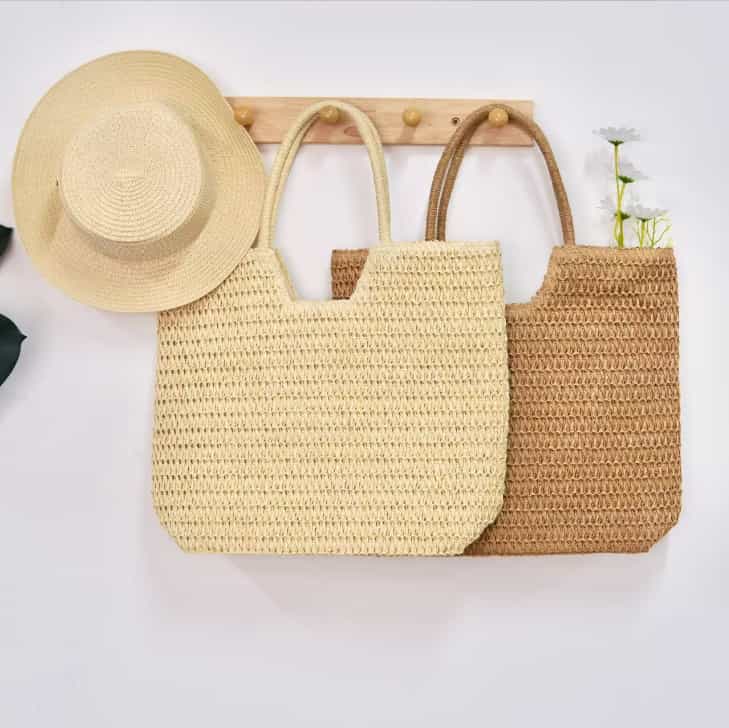
How Raffia Bags Behave in Different Climates
Humid vs. Dry Climates – How Raffia Bags Respond to Environmental Changes
Lead-in: The same bag can perform completely differently in California vs. Singapore – climate is a hidden variable that affects customer satisfaction.
| Climate Type | Raffia Fiber Reaction | Potential Issues | Brand Recommendations |
|---|---|---|---|
| Humid/Tropical (e.g., Southeast Asia, Florida, coastal cities) | Fibers absorb moisture, slightly expand and soften | Bag may loosen, handles may droop, weave gaps may widen | Choose high-density weaving and water-resistant linings. Include care note: “Air dry in ventilated area after use.” |
| Dry/Inland (e.g., California, Arizona, inland Australia) | Fibers lose moisture, shrink and stiffen | Bag may tighten, feel rough, develop frizzled edges | Choose natural raffia with higher oil content (Madagascar origin). Suggest: “Wipe gently with a slightly damp cloth occasionally to maintain flexibility.” |
| Four-Season/Temperate (e.g., Europe, Northern China) | Fibers expand and contract cyclically with humidity changes | Long-term cycle may cause fiber fatigue and increased breakage risk | Consider blended or stabilized raffia to reduce environmental sensitivity. |
Key takeaway: Educate your customers upfront – raffia is a natural material that “breathes” with its environment. Managing expectations early is far smarter than explaining after a bad review.
Seasonal Inventory Storage Guide
Lead-in: Your job doesn’t end when the container arrives – poor storage can devalue an entire batch before you even start selling.
Follow these 4 storage rules across different seasons:
- Rainy/High-Humidity Season – Place dehumidifiers in the warehouse to maintain 45–55% humidity. Store bags on pallets or shelves, not directly on the floor. Leave ventilation gaps in each carton – don’t seal too tightly.
- Dry/High-Temperature Season – Keep warehouse away from direct sunlight (prolonged exposure causes fading and brittleness). Maintain temperature between 15–30°C. Place unscented, oil-free desiccants inside cartons.
- Seasonal Transition Periods – Randomly inspect 1–2 bags every 2–4 weeks to check softness and color stability. Log results in an inventory quality tracker – adjust storage conditions early or plan promotional sales if abnormalities appear.
- Long-Term Storage (3+ months) – Use partial vacuum-sealed bags (leave some air, don’t fully compress) to prevent pests and moisture. Rotate stock periodically to avoid prolonged pressure that deforms bag shapes.
Key takeaway: Pay special attention to your first 3 batches – their quality data will tell you exactly “how long this raffia holds up in real-world conditions.” Treat storage quality as part of product quality.
Raffia Bag Care Guide
Simple Care Card for Customers
Lead-in: If customers don’t know how to care for your bags, they’ll assume “these bags don’t last” – teach them care, and you protect your brand reputation.
Include a care card inside each bag’s packaging (postcard size works well) with the following content:
| Care Topic | What Customers Should Do | What Customers Should NEVER Do |
|---|---|---|
| Daily Cleaning | Gently brush off dust with a soft brush or dry cloth | ❌ Do not rinse or soak in water |
| Stain Removal | Wipe stained area with a slightly damp cloth – immediately blot dry with a dry cloth | ❌ Do not use chemical cleaners or bleach |
| Storage | Store in a cool, ventilated area – use the dust bag provided | ❌ Do not fold or crush; do not seal in plastic bags |
| Restoring Flexibility | If stiffened, wipe gently with a damp cloth and air dry naturally | ❌ Do not use a hairdryer or direct sunlight to “speed up” drying |
| Weight Reminder | Recommended load: 2–3 kg max | ❌ Do not hang heavy items for long periods – handles may deform |
Key takeaway: Print care cards on your brand’s paper stock and font, placed inside the dust bag. This isn’t just practical – it’s a brand experience. Every time your customer sees it, they’ll remember your professionalism and care.
Preventative Customer Communication Scripts
Lead-in: Most bad reviews aren’t about poor quality – they’re about a gap between “customer expectation” and “product reality.” Close that gap with the right words.
Embed these preventative messages into your product descriptions, customer service replies, and post-purchase follow-ups:
- On “color fading” – “Our raffia uses natural plant-based dyes. Wipe with a dry cloth before first use. A slight initial color release is normal for natural materials and stabilizes after a few uses.”
- On “frizzled fibers” – “Natural raffia may have occasional fine fiber fuzz – this is a normal characteristic of handcrafted weaving and doesn’t affect durability. If any strand protrudes, simply trim with scissors.”
- On “deformation” – “Avoid placing heavy items inside for prolonged periods (recommended max 3kg). If the bag slightly loses shape, stuff with paper overnight – it will bounce back.”
- On “natural odor” – “Natural raffia retains its plant-origin aroma with no chemical additives. If sensitive to the scent, air it out in a ventilated area for 1–2 days – the smell will naturally dissipate.”
- On “size perception differences” – “Due to handcrafting, each bag may have a ±1cm variation – this is part of the unique charm of handmade products, not a quality defect.”
Wrapping it Up
Durable and lightweight — it’s not a contradiction. It’s exactly what raffia bags deliver.
Shoppers love them because they’re comfortable to carry and strong enough to actually use. Retailers love them because they’re practical to ship, store, and sell.
If you’re looking for a bag that customers will reach for every day — not just on vacation — raffia is the answer.
Ready to stock durable, lightweight raffia bags for your store?
Contact Rafico Accessories for a custom raffia bag quote or wholesale pricing. We’ll help you find bags that shoppers will love — and actually use.