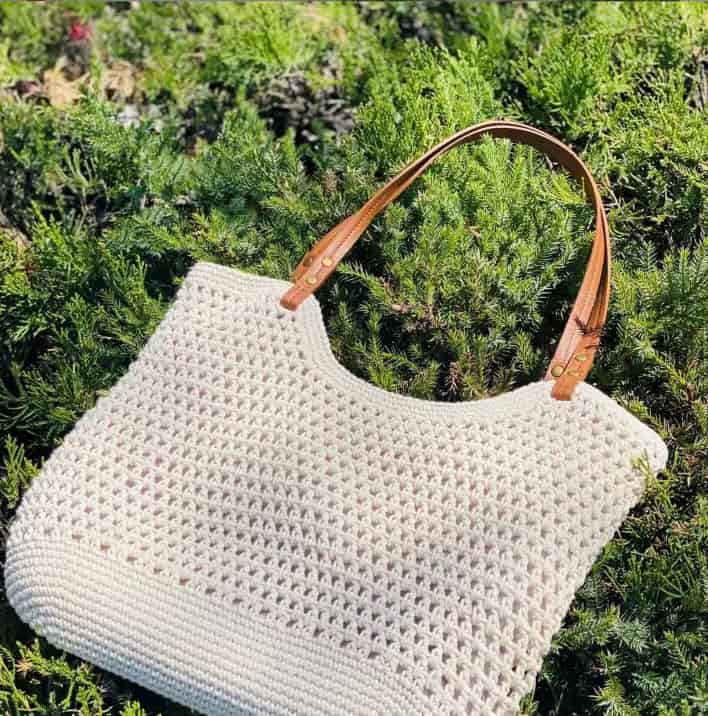
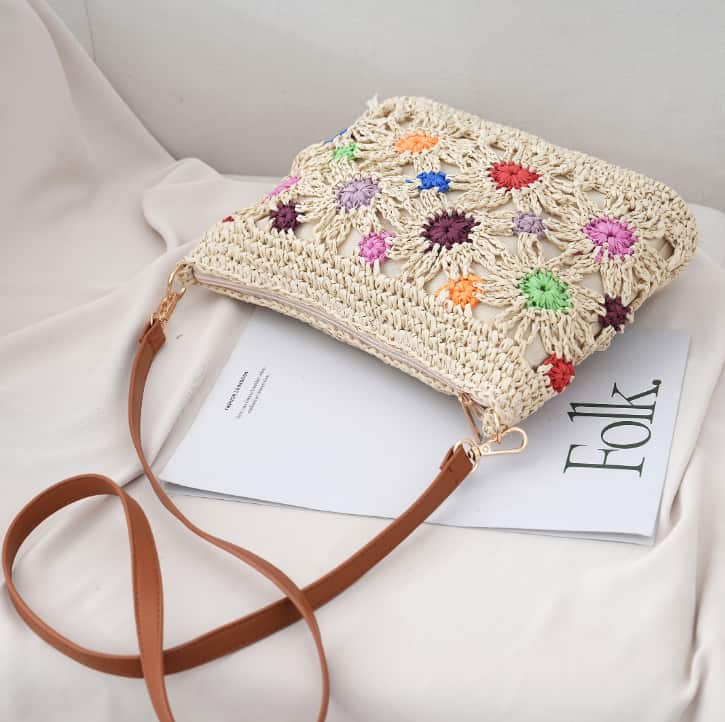
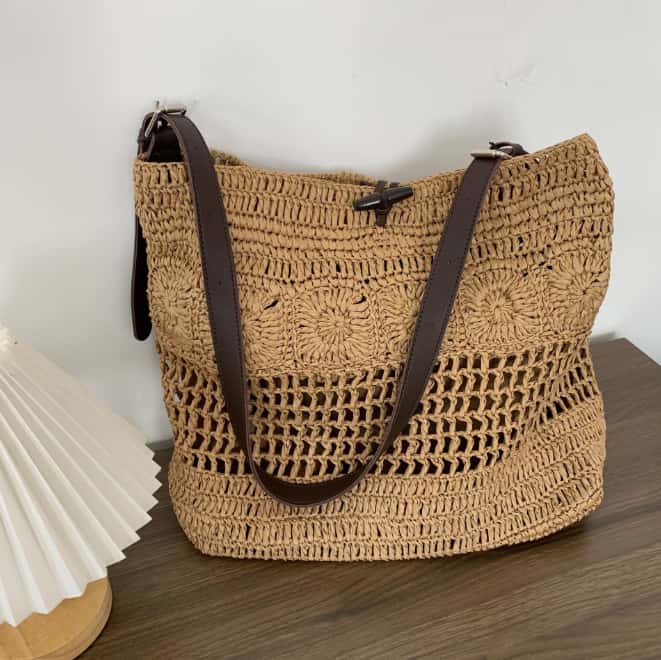
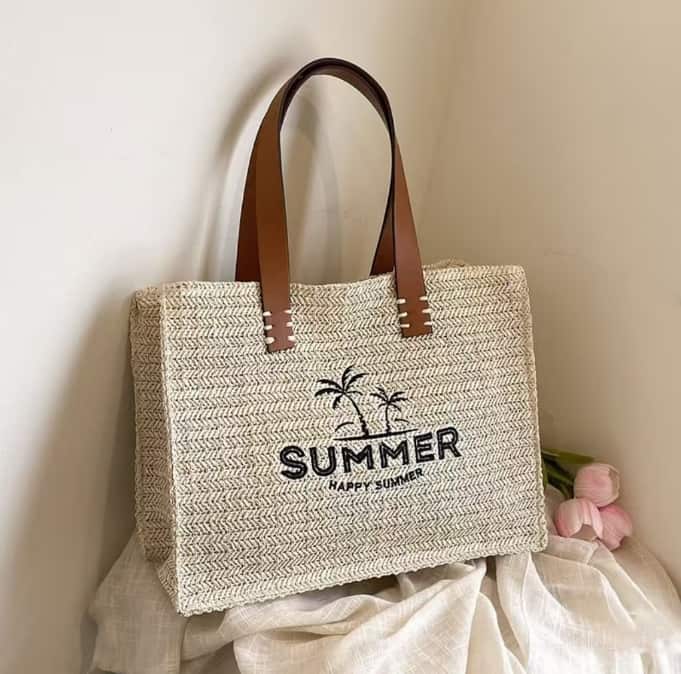
So you want to sell crochet bags. Which means you need a factory that actually delivers.
Here’s the thing — crochet bags look simple, right? But making them right, especially in bulk? That’s not easy. I’ve seen buyers get burned so many times. Factories promise “perfect quality” and then send you a pile of loose threads and crooked stitches.
Yeah, picking the right factory matters. Not just for your profit. For your reputation.
Let me walk you through what I’ve learned from years of doing this.
“Reliable” Doesn’t Mean “Cheapest”
Look, everyone wants a low price. But cheap alone will cost you more in the long run.
A reliable factory gives you:
- Stitches that are actually consistent across hundreds of pieces
- On-time delivery — so you don’t miss summer season
- Someone who answers when things go wrong
- Honest answers about materials, lead time, defects
An unreliable factory gives you:
- Bags that fall apart after two uses
- Excuses after excuses
- Radio silence after you pay the deposit
- Returns and refund nightmares
You don’t want the second list. Trust me.
What “Reliable” Actually Means in a Factory
Reliability isn’t just about delivering on time. It’s about delivering what you promised, every time.
The reliability checklist:
| What Reliability Means | What It Looks Like |
|---|---|
| Consistent quality | Same weave, same stitching, same finish across every batch |
| On-time delivery | Ships when promised — not weeks late |
| Clear communication | Responds within 24 hours, keeps you updated |
| Honest about problems | Tells you about issues early, not after shipping |
| Problem-solving | Works with you to fix issues, not blame you |
| Follows through | Does what they say they’ll do |
How to test reliability before ordering:
| Test | What to Do | What to Look For |
|---|---|---|
| Sample order | Place a small trial order | Quality matches sample |
| Communication test | Ask detailed questions | They answer clearly and quickly |
| Timeline test | Check if they deliver samples on time | They meet their promised dates |
| Reference check | Ask for past clients | They can provide references |
The bottom line: Reliability is about consistency and follow-through. Test it with small orders before scaling.
Why “Cheap” Costs You More in the Long Run
A low price is tempting, but it almost always comes with hidden costs. Here’s why.
What “cheap” really costs you:
| Hidden Cost | What It Means | Real Impact |
|---|---|---|
| Returns | Customers send bags back because quality is poor | Lost sales and shipping costs |
| Refunds | You lose the sale and the shipping cost | Lost profit |
| Lost customers | Unhappy customers don’t come back | Lower lifetime value |
| Reputation damage | Bad reviews and word-of-mouth spread fast | Harder to sell in the future |
| Time wasted | You spend hours dealing with quality issues | Lost productivity |
| Replacement costs | You have to order again – and pay again | Double the cost |
Cheap vs. reliable comparison:
| Factor | Cheap Factory | Reliable Factory |
|---|---|---|
| Unit price | $3–5 | $6–10 |
| Quality consistency | Inconsistent – defects common | Consistent – few defects |
| Communication | Slow, vague, or silent | Clear, responsive, honest |
| Lead time | Often late | On time |
| Problem resolution | Blames you or ignores you | Works with you to fix it |
| Total cost (including headaches) | Much higher | Much lower |
The bottom line: A cheap factory saves you $2 per bag but costs you $200 in returns and lost customers. Reliable is almost always cheaper in the long run. Don’t let a low price fool you – quality and reliability pay off.
Step 1: Get Clear on Your Own Needs First
Before you even message a factory, sit down and write this stuff down. I’m serious.
Ask yourself:
- What yarn? Cotton? Acrylic? Recycled? Jute?
- What stitch? Single crochet? Shell stitch? Open weave?
- What size? Tote? Crossbody? Clutch?
- Do you need lining, zippers, leather straps, or wooden handles?
- What’s your MOQ? 200 pieces? 2,000?
- When’s your deadline?
The clearer you are, the easier it is to filter out factories that can’t do what you need.
How to Create a Simple Brief for Factories
A clear brief helps suppliers understand exactly what you need. Here’s how to create one.
What to include in your factory brief:
| Element | What to Include | Why It Matters |
|---|---|---|
| Product description | Type of bag, style, key features | Sets the foundation |
| Size and dimensions | Width x height x depth, handle drop | Ensures accurate production |
| Materials | Raffia type, lining, handles | Determines cost and quality |
| Colors | Pantone numbers or references | Ensures accurate color matching |
| Quantity | Estimated order size | Determines pricing |
| Timeline | Sample and bulk deadlines | Sets expectations |
| Budget | Target price range | Guides material choices |
| Packaging | Logo, hang tags, polybags, cartons | Ensures professional presentation |
The bottom line: A clear brief saves time and prevents misunderstandings. Send this to potential suppliers and you’ll get accurate quotes quickly. The more detail you provide, the fewer questions they’ll have – and the faster you’ll get answers.
Step 2: Where to Find Crochet Bag Factories That Actually Reply
You can try Alibaba, Global Sources, IndiaMART. But crochet is a weird niche. A lot of “factories” are just small workshops or home teams.
Here’s where I’ve had the best luck:
- Alibaba – Search “crochet bag manufacturer” + country (China, India, Vietnam, Bangladesh). Look for Trade Assurance and at least 3-5 years on the platform.
- Instagram – Yeah, seriously. Small crochet workshops post on IG. Try hashtags like #crochetbagmanufacturer, #handmadebagfactory, #crochetsupplier. DM them and ask for a catalog.
- Trade fairs – Canton Fair, Ambiente in Frankfurt, Source India. You can meet face to face and touch the samples.
- Sourcing agents – If you don’t have time, hire a local agent. They can visit the workshop and send you real photos.
How to Tell If a Factory Is Responsive and Professional
A responsive factory is more likely to be reliable. Here’s what to look for.
Signs of a responsive and professional factory:
| Sign | What It Looks Like | Why It Matters |
|---|---|---|
| Quick response | Replies within 24 hours (ideally within hours) | Shows they value your business |
| Clear communication | Answers your questions directly and thoroughly | Understands your requirements |
| Detailed answers | Provides specific details about their process and capabilities | Knows what they’re doing |
| Professional language | Uses clear, polite, and professional communication | Indicates a well-run operation |
| Asks questions | Asks about your needs rather than just sending a quote | Invested in understanding your requirements |
What a bad response looks like:
| Bad Sign | What It Looks Like | Why It’s a Problem |
|---|---|---|
| Slow response | Takes days to reply | May be disorganized or overwhelmed |
| Vague answers | “We can do everything” without specifics | They don’t know their own capabilities |
| No questions | Doesn’t ask about your needs | They’re not invested in your project |
| Pushy sales | Pressures you to order immediately | More interested in a sale than a partnership |
| Poor English/communication | Hard to understand | Misunderstandings are likely |
The bottom line: A factory’s response time and communication style are early indicators of how they’ll treat you as a partner. Professional, clear, and quick responses are good signs. Slow, vague, or pushy responses are red flags. Pay attention to how they communicate from the very first interaction.
Step 3: How to Vet a Factory Like a Pro
Don’t just pick the cheapest one. Do these checks.
3.1 Ask for raw photos and videos
Any factory can steal nice pictures. So ask for:
- A short video of their workshop — show me the real people, the real space
- A photo of a half-finished crochet bag — not just the final product
- A sample bag sent to you — pay for the sample if you have to, it’s worth it
If they say “we don’t have samples” or “our camera is broken” — red flag. Walk away.
3.2 Test if they actually know crochet
Crochet is not knitting. Ask specific questions like:
- “What hook size do you use for this pattern?”
- “Can you do a tight single crochet for a structured bag?”
- “What brand of cotton yarn do you normally use?”
A real crochet factory will answer easily. A general bag factory will say “yes to everything” — but they’ll struggle when you order.
3.3 Ask for a reference or past order proof
Just ask: “Can you show me an order you shipped to another country in the last six months?”
A reliable supplier will usually show you a shipping document . If they say “confidential” for everything, be careful.
3.4 Talk honestly about MOQ and lead time
Here’s the reality. Crochet is slow. Even with 20 workers, 1,000 bags can take 4-6 weeks.
So if a factory promises 2,000 crochet bags in two weeks — they’re either lying or planning to rush and give you trash. Don’t take that risk.
Ask for a realistic timeline and get it in writing.
Step 4: The Golden Sample Rule — Never Skip It
The sample is your quality reference. Never approve bulk production without seeing a physical sample.
Why samples are non-negotiable:
| Reason | What It Prevents |
|---|---|
| Quality verification | Catches loose weave, weak handles, poor stitching |
| Color confirmation | Ensures the color matches your expectations |
| Size accuracy | Confirms dimensions are correct |
| Material feel | Verifies the raffia quality and texture |
| Construction review | Identifies issues with handles, lining, and hardware |
The sample process:
| Step | Action | Timeframe |
|---|---|---|
| 1 | Request a sample from the supplier | Day 1 |
| 2 | Inspect the sample thoroughly | 1–3 days after receiving |
| 3 | Provide feedback or request revisions | 2–5 days |
| 4 | Approve the final sample in writing | Day of approval |
| 5 | Keep the approved sample as your reference | Ongoing |
What to check on a sample:
| Check Point | What to Look For |
|---|---|
| Weave density | Tight and even — no visible gaps |
| Handle attachment | Woven-in or double-stitched |
| Bottom | Reinforced — extra layer or stiff insert |
| Lining | Cleanly attached, no sagging |
| Stitching | Even, tight, no loose threads |
| Color | Matches your reference |
| Hardware | Sturdy, rust-free, smooth operation |
The bottom line: Never skip the sample. It’s your only chance to verify quality before bulk production. A $50 sample is cheap insurance against a $5,000 bad orde
How to Review a Crochet Bag Sample Correctly
Receiving a sample is just the first step. Here’s how to review it properly.
What to check on a crochet bag sample:
| Check Point | What to Look For | Pass/Fail |
|---|---|---|
| Stitch consistency | Even stitches throughout | Pass: even; Fail: uneven, loose, or tight |
| Pattern accuracy | Matches the design reference | Pass: matches; Fail: missing or extra stitches |
| Tension | Consistent tension across the bag | Pass: firm; Fail: loose areas that will stretch |
| Edges | Clean, straight edges | Pass: neat; Fail: wavy or uneven |
| Color | Consistent throughout | Pass: even; Fail: variations between sections |
| Size | Matches your specifications | Pass: accurate; Fail: too small or too large |
| Handles | Secure and comfortable | Pass: strong; Fail: weak or awkward |
How to test a crochet bag sample:
- The stretch test – Gently pull the bag from both sides. Minimal stretch, returns to shape.
- The weight test – Fill the bag with 5–8 lbs of items. Holds weight, doesn’t sag.
- The handle test – Pull the handles with moderate force. Handles stay secure.
- The pattern test – Check pattern alignment. Pattern is consistent throughout.
The bottom line: Review samples carefully. Check stitch consistency, tension, edges, color, size, and handles. Test with weight and pulling. A thorough sample review prevents costly mistakes in bulk production.
Step 5: QC Tips for Crochet Bags
Crochet bags require specific quality checks. Here’s what to focus on.
Crochet-specific QC checks:
| Check Point | What to Look For | Red Flag |
|---|---|---|
| Stitch consistency | Even stitches throughout | Uneven, loose, or tight spots |
| Pattern accuracy | Matches the design reference | Missing or extra stitches |
| Tension | Consistent tension across the bag | Loose areas that will stretch |
| Edges | Clean, straight edges | Wavy or uneven edges |
| Color consistency | Same color throughout | Variations between batches |
How to inspect crochet bags:
| Step | Action |
|---|---|
| 1 | Lay the bag flat and check the overall shape |
| 2 | Count stitches per inch in 5 different areas |
| 3 | Check pattern alignment from top to bottom |
| 4 | Feel the tension — should be firm, not loose |
| 5 | Check edges for fraying or unevenness |
Common crochet defects to watch for:
| Defect | What It Looks Like |
|---|---|
| Skipped stitches | Gaps or holes in the pattern |
| Uneven tension | Some areas tight, some loose |
| Crooked edges | Edges that curve or wave |
| Color variations | Different shades in the same bag |
| Frayed yarn | Loose fibers at the edges |
The bottom line: Crochet bags need specific QC attention. Check stitch consistency, tension, and pattern accuracy. A good supplier will have a dedicated QC process for crochet bags.
Common Crochet Defects and How to Spot Them
Crochet bags have specific defects to watch for. Here’s what to look for.
Common crochet defects:
| Defect | What It Looks Like | How to Spot It |
|---|---|---|
| Skipped stitches | Gaps or holes in the pattern | Look for missing stitches in the pattern |
| Uneven tension | Some areas tight, some loose | Feel the bag – it should be consistent |
| Crooked edges | Edges that curve or wave | Lay the bag flat – edges should be straight |
| Color variations | Different shades in the same bag | Check the bag in natural light |
| Frayed yarn | Loose fibers at the edges | Check edges for fraying |
| Inconsistent pattern | Pattern doesn’t match the design | Compare to your reference |
How to prevent these defects:
- Skipped stitches – Ask your supplier to check every row
- Uneven tension – Ask for tension to be checked during production
- Crooked edges – Ask for straight edges to be verified before finishing
- Color variations – Ask for dye-lot tracking and batch samples
- Frayed yarn – Ask for clean edges and finishing
The bottom line: Crochet defects are avoidable with proper QC. Know what to look for, inspect carefully, and communicate your standards to your supplier
Step 6: Red Flags That Should Make You Walk Away
Not every supplier is worth working with. Here’s when to walk away.
Red flags to watch for:
| Red Flag | What It Looks Like | Why It’s a Problem |
|---|---|---|
| No samples available | “Trust us, the quality is good.” | You can’t verify quality before bulk |
| Vague pricing | Won’t give a clear breakdown | Hidden fees will appear later |
| Pushy sales tactics | “This deal is only available today” | They’re rushing you into a bad decision |
| No workshop photos | Can’t show you the production floor | They might be a trading company |
| Unrealistic promises | “100% perfect quality guaranteed” | No one can guarantee that |
| Avoids contracts | “We don’t need a contract” | Leaves you unprotected |
What to do when you see a red flag:
| Red Flag | Action |
|---|---|
| No samples | Walk away. Immediately. |
| Vague pricing | Ask for a detailed breakdown. If they refuse, walk away. |
| Pushy sales | Slow down. Don’t make rushed decisions. |
| No workshop photos | Request a video call. If they refuse, walk away. |
| Unrealistic promises | Ask for details. If they can’t explain, walk away. |
| Avoids contracts | Insist on a written agreement. If they refuse, walk away. |
The bottom line: Red flags are warnings. Don’t ignore them. If something feels off, trust your instincts — and walk away.
What to Do If You’ve Already Worked with a Bad Supplier
If you’ve already invested time or money with a bad supplier, here’s how to recover.
Steps to take:
| Step | What to Do | Why |
|---|---|---|
| 1 | Stop production immediately | Prevents further losses |
| 2 | Document everything – emails, photos, agreements | Build your case |
| 3 | Communicate clearly with the supplier | Give them a chance to fix it |
| 4 | Demand a resolution | Replacement, refund, or credit |
| 5 | Find a backup supplier | Don’t rely on a bad supplier |
| 6 | Learn from the experience | Avoid similar mistakes next time |
How to recover:
- For small issues – Negotiate a discount, refund, or replacement
- For major issues – Consider legal action or dispute resolution
- For lost time – Find a reliable backup supplier quickly
- For reputation damage – Offer refunds or replacements to affected customers
The bottom line: If you’ve already worked with a bad supplier, cut your losses quickly. Stop production, document everything, and find a reliable backup. Learn from the experience and apply those lessons to future supplier searches.
Step 7: Build a Long-Term Partnership, Not a One-Night Stand
The best supplier relationships are built over time, not rushed.
How to build a long-term partnership:
| Strategy | How It Works |
|---|---|
| Pay on time | Builds trust and priority service |
| Communicate clearly | Prevents misunderstandings |
| Share your long-term plans | Suppliers treat committed buyers better |
| Visit the factory | Builds personal connection |
| Give feedback | Helps them improve and grow together |
| Be fair with pricing | Don’t squeeze for every penny |
What a long-term partnership gives you:
| Benefit | Why It Matters |
|---|---|
| Priority production | Your orders get done faster |
| Better pricing | Loyalty earns discounts |
| Flexibility | They’ll work with you on deadlines |
| Quality consistency | They know your standards |
| Early access to new styles | You get first pick |
| Problem-solving support | They’ll work with you on issues |
The bottom line: A good supplier is a partner, not just a vendor. Invest in the relationship — pay on time, communicate clearly, and treat them fairly. It pays off in better service, better pricing, and fewer problems.
How to Build a Partnership That Lasts
The best supplier relationships are built over time. Here’s how to create a partnership that lasts.
What a long-term partnership gives you:
| Benefit | Why It Matters |
|---|---|
| Priority production | Your orders get done faster |
| Better pricing | Loyalty earns discounts |
| Flexibility | They’ll work with you on deadlines |
| Quality consistency | They know your standards |
| Early access to new styles | You get first pick |
| Problem-solving support | They’ll work with you on issues |
How to build a long-term partnership:
- Pay on time – Builds trust and priority service
- Communicate clearly – Prevents misunderstandings
- Share your long-term plans – Suppliers treat committed buyers better
- Visit the factory – Builds personal connection
- Give feedback – Helps them improve and grow together
- Be fair with pricing – Don’t squeeze for every penny
The bottom line: A good supplier is a partner, not just a vendor. Invest in the relationship – pay on time, communicate clearly, and treat them fairly.
Final Verdict: Don’t Rush. Do Your Research.
Look, finding a good crochet bag factory isn’t rocket science. But it takes time and a little detective work.
Just remember:
- Get clear on your specs before you reach out
- Ask for real photos and a golden sample
- Test their crochet knowledge with specific questions
- Never skip sample approval
- Watch out for red flags like 100% upfront payment
- Build a relationship with the good ones
Do all that, and you’ll get beautiful, consistent crochet bags that your customers will actually love.
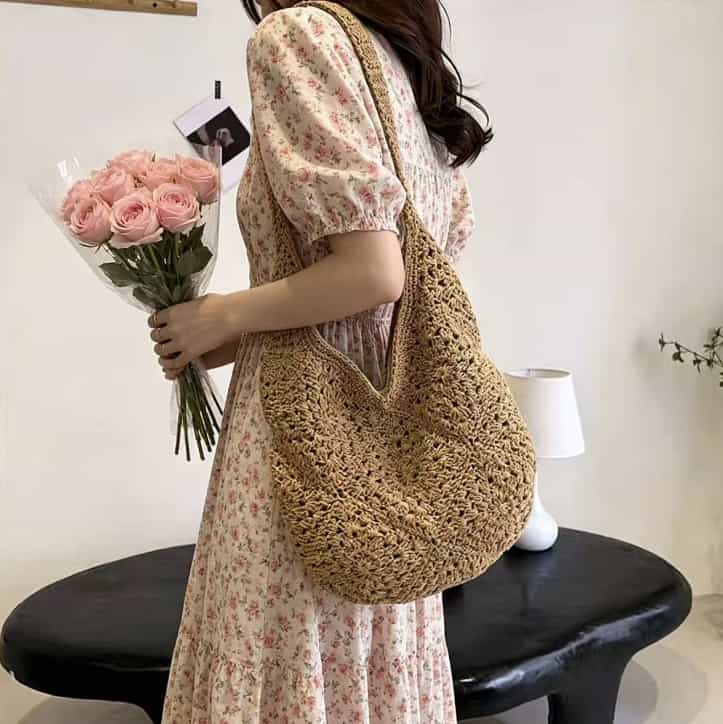
Need Help Finding a Reliable Crochet Bag Factory?
We work with vetted crochet bag manufacturers — mainly in China, India, and Vietnam. Whether you need cotton beach bags, custom designs, or high-volume production, we can connect you with suppliers who actually care about quality.
What we offer:
- Supplier vetting – We help you find reliable crochet bag factories that match your quality and budget requirements.
- Sample coordination – We manage the entire sample process, from request to approval, so you don’t have to chase suppliers.
- Quality control – We inspect your order before shipping, ensuring the quality matches your expectations.
- Production support – We help you manage timelines, track production progress, and keep communication smooth.
- Problem-solving – We help resolve any issues that come up during production, so you don’t have to handle them alone.
Why work with us:
- We know the market and the suppliers – we’ve been doing this for years.
- We’ve seen the good and the bad – and we’ll help you avoid the bad ones.
- We’ll help you avoid the traps that new buyers often fall into.
- We’re invested in your success – your success is our success.
The bottom line: Finding a reliable crochet bag factory takes time and expertise. If you need help, we’re here to guide you through the process.