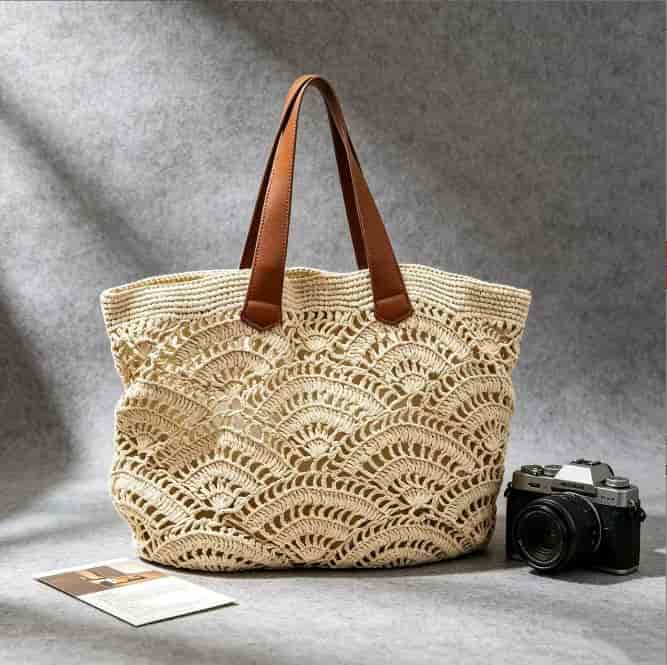
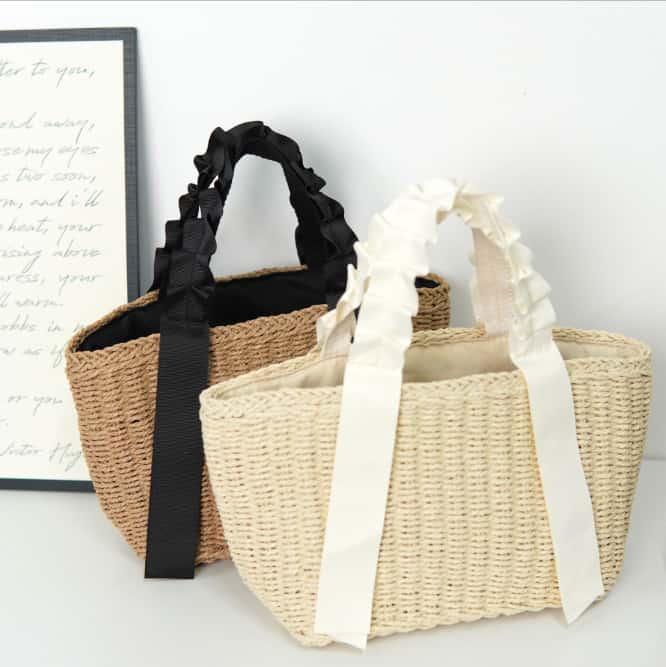
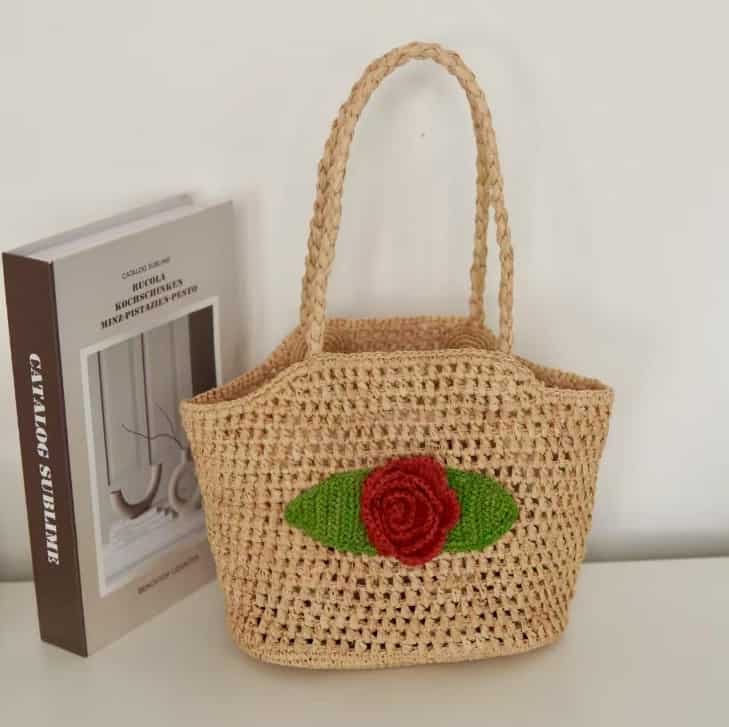
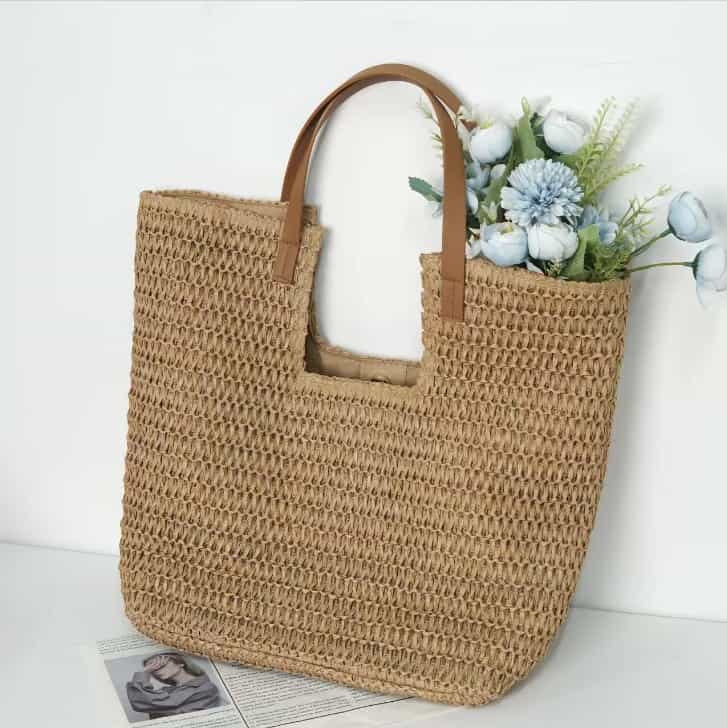
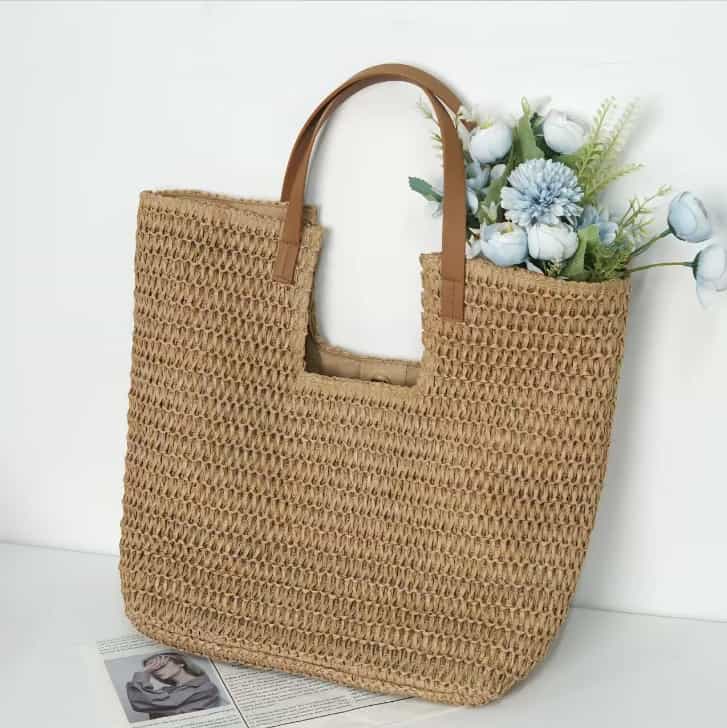
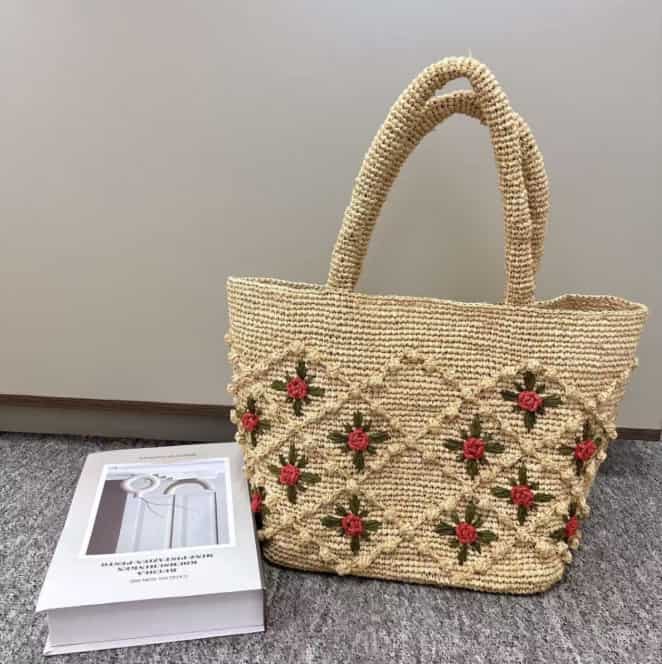
Let’s be real — if you’re buying raffia bags from overseas, one of the first things you want to know is: am I getting a fair price?
But here’s the thing. A raffia bags manufacturer cost price isn’t just one number. It depends on a bunch of stuff — materials, weaving time, how many you order, and whether you want something custom.
In this guide, I’ll walk you through exactly how to check if a raffia bag wholesale quote makes sense. No fluff. Just what actually works.
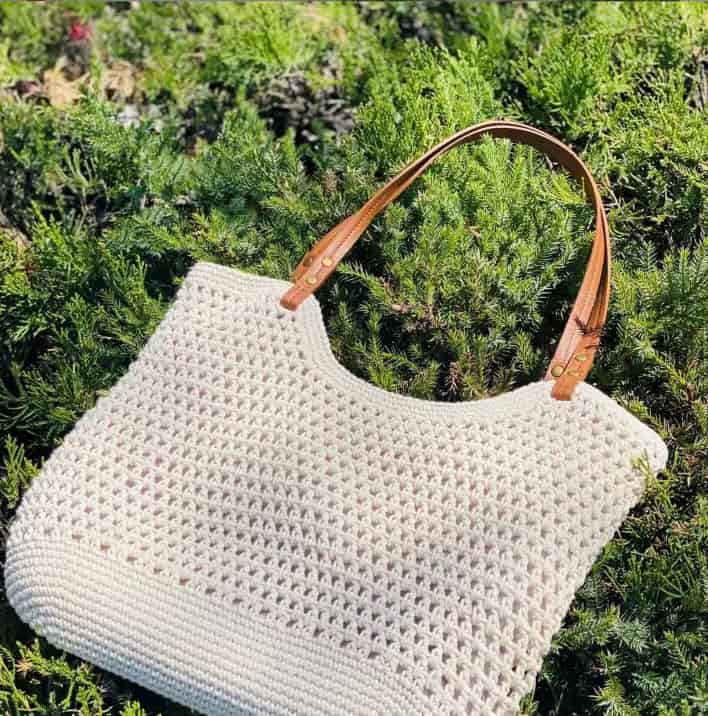
Why You Need to Understand the Real Cost
If you’re a retailer or boutique owner, you’re not just buying a bag. You’re buying:
- Handmade raffia bag – labor is a big part of the price
- Natural raffia bag – material quality varies
- Bulk raffia bags – quantity changes everything
Without knowing what goes into the raffia bags manufacturer cost price, you might end up paying too much — or worse, chasing a price that’s too good to be true .
Why Understanding Cost Saves You Money
Many buyers focus only on the unit price and overlook the full cost picture. Here’s why understanding the real cost saves you money in the long run.
What happens when you don’t understand the real cost:
| Consequence | Why It Happens | Real Impact |
|---|---|---|
| Hidden fees surprise you | You didn’t ask for a breakdown | You pay more than expected |
| Poor quality costs you more | You chose the cheapest option | Returns, refunds, and complaints |
| Late delivery hurts your business | You didn’t factor in realistic timelines | Missed sales, unhappy customers |
| Unexpected duties and taxes | You didn’t calculate landed cost | Higher total cost than budgeted |
| Wrong materials | You didn’t verify specifications | Products that don’t meet your standards |
How understanding cost saves you money:
| Benefit | Why It Saves You Money | |
|---|---|---|
| Better negotiation | You know what’s a fair price | Don’t overpay or accept low quality |
| No surprises | You factor in all costs upfront | Accurate budgeting |
| Better quality | You invest in quality materials | Fewer returns and complaints |
| Better planning | You know your total landed cost | Accurate pricing and margins |
| Better supplier selection | You compare apples to apples | Choose the right supplier |
The bottom line: Understanding the real cost saves you money. It helps you negotiate better, avoid surprises, and choose the right supplier. Don’t just look at the unit price – factor in shipping, duties, quality, and lead time.
What Happens When You Don’t Know the Full Cost
Not knowing the full cost can hurt your business in ways you might not expect. Here’s what can go wrong.
Hidden costs that can surprise you:
| Hidden Cost | Where It Appears | How to Avoid It |
|---|---|---|
| Sample fees | Supplier charges for samples but doesn’t deduct from bulk | Confirm sample policy in writing |
| Tooling fees | New shapes or embossing require one-time setup | Ask for tooling costs upfront |
| Inspection fees | Third-party QC is charged to you | Ask if inspection is included |
| Packaging surcharges | Individual polybags, tags, or boxes add cost | Request bulk packaging |
| Rush shipping fees | Expedited shipping for late orders | Build buffer time into your lead time |
| Customs and duties | Import taxes and fees | Calculate landed cost before ordering |
What happens when you’re not prepared:
| Scenario | What Goes Wrong | How to Prevent It |
|---|---|---|
| Budget overrun | Hidden fees increase your total cost | Get a full breakdown upfront |
| Late delivery | Rushed orders cost more, or you miss the season | Plan ahead – order early |
| Poor quality | You chose the cheapest option | Invest in quality |
| Unhappy customers | Poor quality or wrong materials | Verify quality before ordering |
The bottom line: Not knowing the full cost can lead to budget overruns, late deliveries, and unhappy customers. Get a full breakdown upfront, factor in all costs, and plan ahead. The more you know upfront, the fewer surprises you’ll face. Preparation is the key to a successful order.
What Goes Into a Raffia Bag Manufacturer’s Cost?

Breaking Down the Cost of a Raffia Bag – What You’re Really Paying For
When a supplier gives you a price, it usually includes more than just materials. Here’s a breakdown of what you’re actually paying for.
| Cost Component | What It Includes | Why It Matters |
|---|---|---|
| Raw Materials | Raffia fiber, dye, thread | Quality materials cost more — cheap raffia breaks easily |
| Labor | Weaving time, artisan skill | Handwoven takes hours — skill costs more |
| Finishing | Handles, lining, hardware, zippers | Leather or cotton adds cost |
| Overhead | Workshop, tools, QC | Production facility costs |
| Packaging | Polybags, cartons, labels | Protects the bag during shipping |
| Shipping & Logistics | Freight, customs, insurance | Adds to landed cost |
The bottom line: A cheap price usually means corners are being cut somewhere — lower-quality raffia, less skilled labor, or no finishing details.
How Customization Adds to the Cost
Customization is where costs can add up quickly. Here’s what each option does to your unit price.
| Customization | Cost Impact | Why It Adds Cost |
|---|---|---|
| Custom colors | +10–20% | Dyeing labor and material waste |
| Leather handles | +$2–5 per bag | Leather is more expensive than raffia or cotton |
| Cotton lining | +$1–3 per bag | Cotton costs more than polyester |
| Logo printing/embroidery | +$1–3 per bag | Setup fees and labor |
| Unique shapes | +15–30% | New patterns and artisan training |
| Custom hardware | +$1–2 per bag | Custom zippers, clasps, or plates |
How to manage customization costs:
| Strategy | How It Saves Money |
|---|---|
| Stick to standard colors | Avoid custom dyeing costs |
| Choose raffia handles | Skip the leather premium |
| Skip lining | Save $1–3 per bag |
| Use standard shapes | Avoid pattern-making fees |
| Limit colors | Reduce dyeing labor and waste |
The bottom line: Customization adds cost — but it also adds value. Choose what matters to your brand and customers, and skip the rest. A few strategic details can differentiate your bag without blowing your budget.
How Order Volume Affects Your Per-Unit Cost
Order quantity is one of the biggest factors in your final price. Here’s how MOQ impacts what you pay.
| Order Size | Per-Unit Cost | Why |
|---|---|---|
| 50–100 pieces | Highest | Setup costs spread across fewer units |
| 300–500 pieces | Medium | Better economies of scale |
| 1,000+ pieces | Lowest | Setup costs fully amortized |
What changes when you order more:
| Factor | Small Order (100 pcs) | Large Order (1,000 pcs) |
|---|---|---|
| Material cost | Higher per unit | Lower bulk pricing |
| Labor cost | Same per hour, fewer units | More efficient allocation |
| Setup cost | Spread across 100 units | Spread across 1,000 units |
| Negotiating power | Limited | Stronger |
The bottom line: Ordering more lowers your per-unit cost. If you can plan ahead and consolidate orders, you’ll save significantly.
What You Get When You Pay More – The Value of Quality
A higher price doesn’t always mean higher quality — but often it does. Here’s what you typically get when you pay more.
| Price Point | What You Usually Get | Why |
|---|---|---|
| $3–5 | Machine-made, basic materials, loose weave | Fast production, minimal QC |
| $5–8 | Handwoven, decent quality, standard finishes | Good balance of cost and quality |
| $8–15 | Premium handwoven, tight weave, good finishes | Skilled artisans, better materials |
| $15+ | High-end handwoven, premium materials, reinforced | Experienced artisans, quality control |
The long-term value of higher quality:
| Quality Level | Returns | Customer Satisfaction | Reputation |
|---|---|---|---|
| Low quality | High | Poor | Damaged |
| Mid quality | Moderate | Average | Neutral |
| High quality | Low | High | Strong |
The bottom line: The cheapest option isn’t always the best value. Higher quality means fewer returns, happier customers, and a stronger brand reputation — which pays off in the long run.
How to Actually Check If a Price Is Fair
Step 1 – Ask for a Detailed Breakdown
Don’t just accept a total number. Ask for a clear breakdown of what you’re paying for.
A legit supplier should be able to tell you:
- How much is the material?
- How much is labor?
- How much for hardware like zippers and magnets?
- How much for packaging and shipping?
If they refuse or give vague answers, that’s a red flag. You need to know where your money is going.
A good breakdown might look something like this: raffia material at $1.50, labor at $4.00, leather handles at $1.50, cotton lining at $1.00, hardware at $0.50, and packaging at $0.50 — totaling around $9.00 per bag.
The bottom line: A transparent supplier will share this information openly. If they don’t, move on.
Step 2 – Compare Multiple Suppliers
Get quotes from at least 3–4 suppliers. But don’t just look at price — compare everything.
What to compare:
| Factor | What to Look For | Why It Matters |
|---|---|---|
| Unit price | Within market range ( $4–10 for basic totes) | Price is important — but not everything |
| MOQ | Matches your order size | Low MOQ = lower risk for testing |
| Lead time | Realistic — 25–45 days for bulk | Avoids delivery surprises |
| Sample availability | Paid sample, deductible from bulk | You must see quality before ordering |
| Customer reviews | 4+ stars, positive feedback | Shows reliability |
| Communication | Responds within 24 hours | Indicates professionalism |
How to compare quotes effectively:
| Step | Action |
|---|---|
| 1 | Create a comparison table with all suppliers |
| 2 | Add notes on quality, communication, and transparency |
| 3 | Factor in total landed cost, not just unit price |
| 4 | Ask each supplier why their price is what it is |
The bottom line: The cheapest quote isn’t always the best value. Compare everything — MOQ, lead time, sample policy, reviews, and communication. A slightly higher price from a reliable supplier is often worth it.
Step 3 – Order a Sample First
This is non-negotiable. Pay for a sample before placing a big order.
Why samples are essential:
| Reason | What It Prevents |
|---|---|
| Photos lie | Colors, texture, and quality look different in person |
| Weave quality | You need to feel the tightness and consistency |
| Stitching | Machine stitching vs. hand stitching — you can’t tell from photos |
| Color accuracy | Screen colors are rarely accurate |
| Handle strength | You need to pull and test them yourself |
| Size confirmation | Dimensions can be misleading on paper |
What to check on a sample:
| What to Check | What to Look For |
|---|---|
| Weave | Tight, even, no gaps |
| Handles | Woven-in or double-stitched |
| Bottom | Reinforced — not flimsy |
| Color | Matches your reference |
| Lining | Cleanly attached, no sagging |
| Stitching | Even, tight, no loose threads |
| Hardware | Smooth, secure, no rust |
Sample cost:
| Sample Type | Typical Cost | Deductible? |
|---|---|---|
| Basic tote | $30–50 | Usually yes — from bulk order |
| Premium/crochet | $50–100 | Usually yes — from bulk order |
| Custom design | $80–150 | Varies by supplier |
The bottom line: A $30–50 sample is cheap insurance against a $5,000–10,000 bad order. Never skip this step.
Step 4 – Check Labor vs. Machine
Some sellers call machine-made bags “handwoven.” They’re not. Here’s how to tell the difference.
Signs of a real handwoven bag:
| Sign | What It Looks Like | Why It Matters |
|---|---|---|
| Slight irregularities | Small variations in the weave | Proves it was made by human hands |
| Tight, consistent weave | Even tension throughout | Shows skill and attention |
| No glue | No visible glue or stiffening agents | Natural raffia doesn’t need glue |
| Natural color variation | Slight differences in shade | Shows it’s real fiber, not dyed synthetic |
| Hand-finished edges | Edges are neatly finished | Machine-made edges are often rough |
Machine-made warning signs:
| Sign | What It Means |
|---|---|
| Perfectly uniform weave | Made by machine, not hand |
| Glue visible | Artificial stiffening |
| No irregularities at all | Too perfect — machines don’t make mistakes |
| Cheap price | Machine-made is much cheaper to produce |
How to check:
| Method | What to Do |
|---|---|
| Feel the weave | Real handwoven has slight texture variation |
| Look closely | Check for irregularities — they’re a good sign |
| Ask the supplier | “Is this 100% handwoven?” — see if they hesitate |
| Compare price | If it’s under $5, it’s likely machine-made |
The bottom line: A real handwoven bag has character. If it looks too perfect, it’s probably machine-made. And machine-made should cost less — don’t pay handwoven prices for a machine product.
Step 5 – Check the Total Landed Cost
The unit price is only part of the story. Your total landed cost includes shipping, duties, and other fees.
| Cost Component | What It Includes | Why It Matters |
|---|---|---|
| Unit price | The bag itself | Only part of the total |
| Shipping | Freight from factory to your door | Varies by region and shipping method |
| Import duties | Taxes and tariffs on imported goods | Can add 5–15% to your cost |
| Insurance | Covers loss or damage during shipping | Peace of mind for larger orders |
| Payment fees | Bank transfer or credit card charges | Adds up on large orders |
| Warehousing | Storage and handling fees | If you don’t have your own warehouse |
How to calculate landed cost:
| Step | Action |
|---|---|
| 1 | Add unit price + shipping + insurance + duties + fees |
| 2 | Divide by the number of units |
| 3 | Compare landed cost across suppliers |
The bottom line: Don’t just compare unit prices. Compare landed cost — what you actually pay to get the bag to your door. A bag with a slightly higher unit price might have lower shipping and duties, making it cheaper overall.
Step 6 – Ask About Future Price Increases
Prices change. Here’s what to ask about future costs.
What to ask:
| Question | Why It Matters |
|---|---|
| “How long is this price valid?” | Prevents surprises on future orders |
| “What could cause the price to go up?” | Material costs, labor, shipping |
| “Do you offer price protection for bulk orders?” | Locks in pricing for larger commitments |
| “How often do you review pricing?” | Some suppliers adjust quarterly or annually |
Common price increase triggers:
| Trigger | Impact on Price |
|---|---|
| Raw material cost | Raffia prices fluctuate by season |
| Labor cost | Wages may increase over time |
| Shipping cost | Fuel prices affect freight rates |
| Currency exchange | Affects international pricing |
The bottom line: Know what you’re committing to. Ask about price validity and future increases before you place your order. A good supplier will be upfront about their pricing structure.
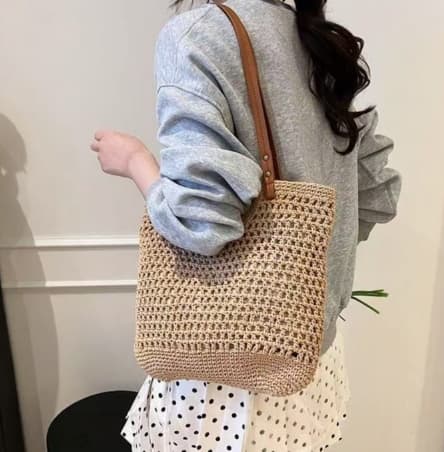
Red Flags When Checking Manufacturer Prices
Watch out for these — they usually mean trouble.
- Price is way too low – A natural raffia bag that costs $2? Impossible. Even cheap materials and fast labor can’t hit that.
- No sample available – “We don’t do samples” = run.
- Can’t show you the workshop – A legit handmade raffia bag wholesale supplier should be able to send workshop photos or a video call.
- Vague about materials – If they won’t say if it’s 100% raffia or mixed with synthetic fiber, that’s a problem.
How to Spot Unfair Pricing – Red Flags to Watch For
Not every quote is a good deal. Here’s how to spot pricing that’s too good to be true.
Red flags in pricing:
| Red Flag | What It Looks Like | Why It’s a Problem |
|---|---|---|
| Price is significantly lower than competitors | 30–50% below market average | Likely synthetic materials or poor quality |
| Supplier won’t provide a breakdown | Only gives a total number | They’re hiding something |
| Vague about materials | “Natural fibers” without specifics | Probably a synthetic blend |
| No sample available | “Trust us, the quality is good” | They can’t guarantee quality |
| Pushy sales tactics | “This deal is only available today” | They’re rushing you into a bad decision |
| Vague about MOQ | Won’t give a clear minimum order quantity | May switch suppliers mid-order |
What to do when you see a red flag:
| Red Flag | Action |
|---|---|
| Unrealistically low price | Ask about materials and quality standards. If they can’t explain, walk away. |
| No breakdown | Request a detailed cost breakdown. If they refuse, walk away. |
| Vague materials | Ask for a material composition certificate. If they can’t provide it, walk away. |
| No sample | Walk away. Immediately. |
| Pushy sales | Slow down. Don’t make rushed decisions. |
| Vague MOQ | Get a clear MOQ in writing. If they can’t give one, walk away. |
The bottom line: If a price seems too good to be true, it probably is. Cheap prices usually mean cheap materials, poor quality, or hidden fees. Don’t be tempted by a low price – it will cost you more in the long run.
Why the Cheapest Quote Is Almost Never the Best Value
A low price is tempting, but it almost always comes with hidden costs. Here’s why the cheapest quote is rarely the best value.
What the cheapest quote really costs you:
| Hidden Cost | What It Means | Real Impact |
|---|---|---|
| Synthetic materials | Bag looks like raffia but isn’t | Doesn’t biodegrade, feels cheap |
| Poor quality | Loose weave, weak handles, bad stitching | Returns and refunds |
| No QC | Quality not checked before shipping | Defective products reach your customers |
| Unethical labor | Low wages, poor working conditions | Reputation damage |
| Hidden fees | Extra charges appear after you’ve committed | Higher total cost than expected |
| Bad communication | Slow responses, vague answers | Delays and misunderstandings |
Cheap vs. value – a comparison:
| Factor | Cheapest Quote | Best Value Quote |
|---|---|---|
| Unit price | $4.00 | $7.00 |
| Material quality | Synthetic blend | 100% natural raffia |
| Quality consistency | Inconsistent – defects common | Consistent – few defects |
| Communication | Slow or silent | Clear, responsive, honest |
| Lead time | Often late | On time |
| Problem resolution | Blames you or ignores you | Works with you to fix it |
| Total cost (including headaches) | Much higher | Much lower |
The bottom line: The cheapest quote is almost never the best value. You’ll spend more on returns, refunds, and unhappy customers than you saved upfront. Invest in quality – and you’ll save money in the long run. A good-quality bag at a fair price is better than a cheap bag that fails.
How to Build a Long-Term Supplier Relationship for Better Pricing
The best way to get better pricing is to build a long-term relationship with your supplier. Here’s how.
What a long-term relationship gives you:
| Benefit | Why It Matters |
|---|---|
| Priority production | Your orders get done faster |
| Better pricing | Loyalty earns discounts |
| Flexibility | They’ll work with you on deadlines |
| Quality consistency | They know your standards |
| Early access to new styles | You get first pick |
| Problem-solving support | They’ll work with you on issues |
How to build a relationship for better pricing:
- Pay on time – Builds trust and priority service
- Communicate clearly – Prevents misunderstandings
- Share your long-term plans – Suppliers treat committed buyers better
- Visit the factory – Builds personal connection
- Give feedback – Helps them improve and grow together
- Be fair with pricing – Don’t squeeze for every penny
What to avoid:
| What to Avoid | Why It Hurts |
|---|---|
| Only contacting when you need something | Makes you feel transactional |
| Negotiating aggressively every time | Damages goodwill |
| Complaining without offering solutions | Creates tension |
| Delaying payments | Breaks trust and priority |
The bottom line: Long-term relationships lead to better pricing, priority production, and better service. Invest in the relationship – pay on time, communicate clearly, and treat your supplier as a partner. The trust you build will pay off in better pricing and fewer problems over time. Suppliers reward loyalty with loyalty.
How to Build Trust with Your Supplier from Day One
Trust is the foundation of any long-term supplier relationship. Here’s how to establish it from the start.
How to build trust early:
| Action | Why It Works |
|---|---|
| Be transparent about your expectations | Supplier knows exactly what you need |
| Share your brand story and vision | Helps them understand your values |
| Ask about their process and challenges | Shows you care about their business too |
| Start with a small order | Builds trust gradually, not all at once |
| Pay deposits promptly | Shows you’re reliable and serious |
| Communicate clearly and consistently | Prevents misunderstandings |
What trust looks like in practice:
- Supplier proactively tells you about delays – They’re honest, not hiding issues
- They offer solutions before you ask – They’re invested in solving problems
- They ask about your business goals – They see you as a partner, not just an order
- They deliver consistent quality – They respect your standards
- They prioritize your orders – They value your relationship
The bottom line: Trust is earned, not assumed. Be reliable, communicate openly, and treat your supplier as a partner. The trust you build pays off in priority service, better problem-solving, and long-term loyalty.
Wrapping it up
Checking a raffia bags manufacturer cost price isn’t complicated — but you have to do your homework. Break down the quote, order a sample, ask the right questions, and watch for red flags.
The goal isn’t the cheapest price. It’s a fair price for good quality.
If you’re looking for handmade raffia bag wholesale that you can actually sell without returns or complaints, get in touch with Rafico Accessories.
Ready to check real pricing?
Reach out for a sample, a custom raffia bag quote, or just to ask questions. We ship worldwide.