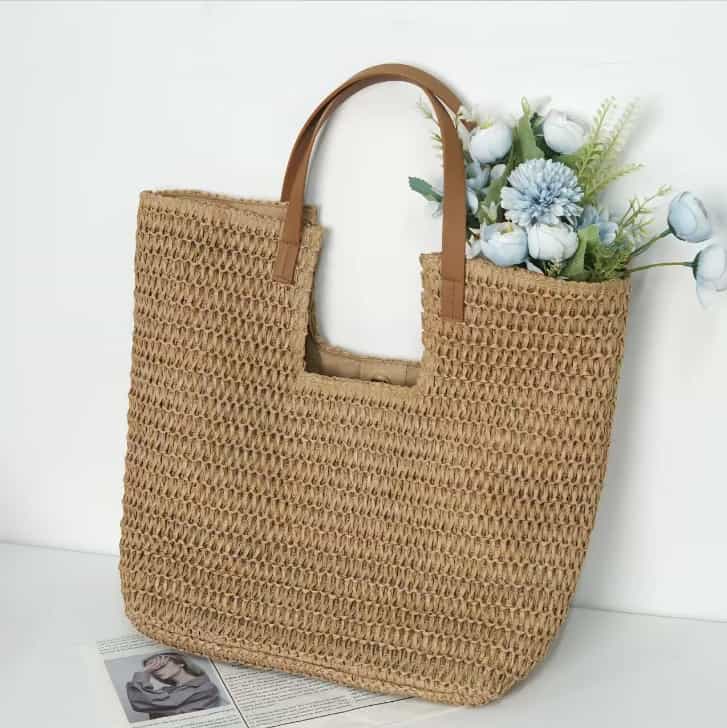
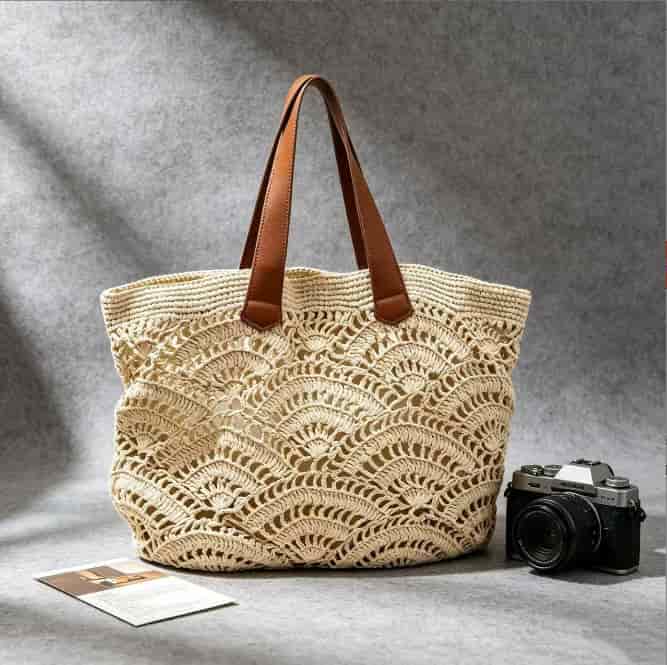
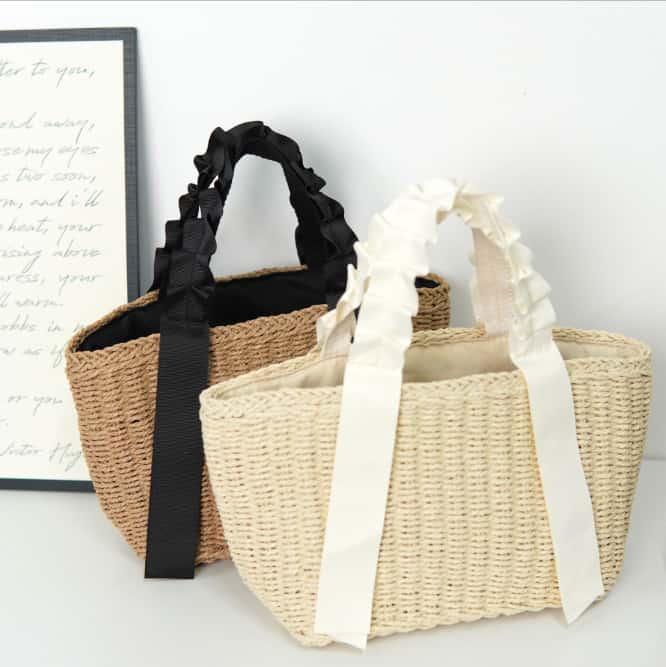
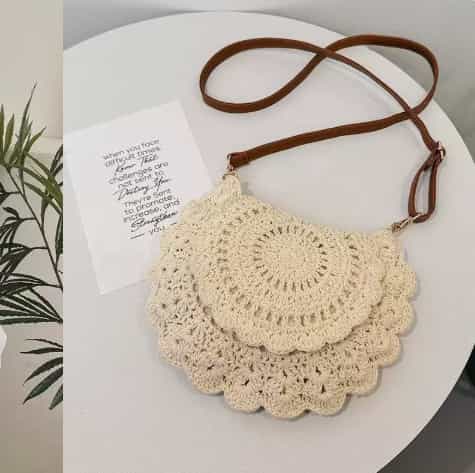
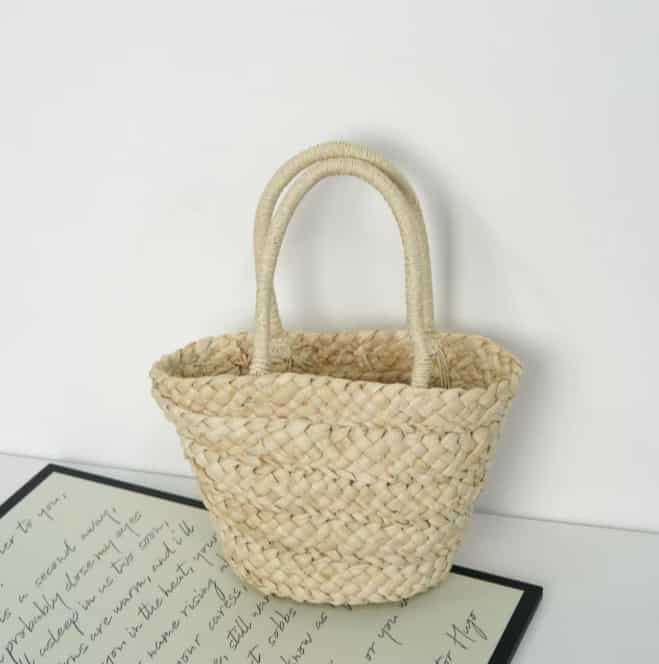
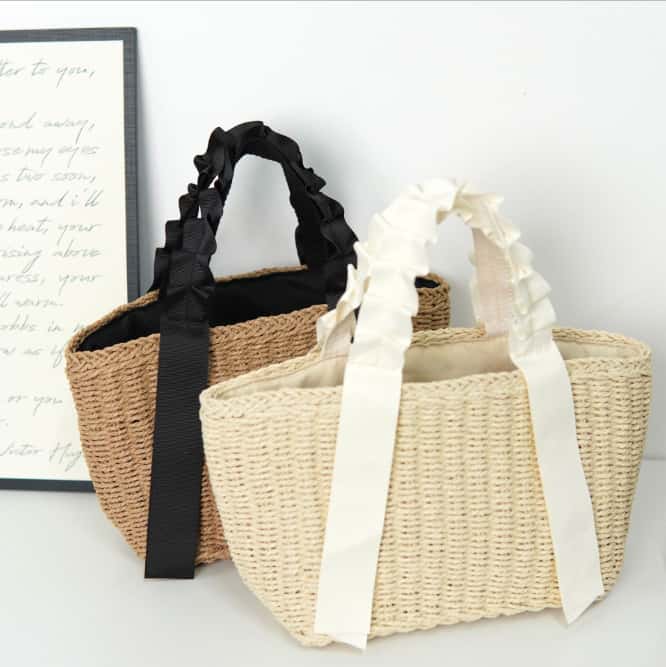
Let’s be real — summer is when customers start asking for natural materials. And nothing fits the bill quite like plastic free summer bags.
Here’s the thing: shoppers are more conscious than ever about what they carry. They want bags that look good, feel good, and don’t leave a trail of plastic behind. Raffia checks all those boxes. It’s natural, biodegradable, and surprisingly durable.
If you’re a retailer or brand looking for a wholesale raffia collection that actually sells, you’re in the right place. Let me walk you through why raffia is the smart choice for summer — and what to look for when you’re sourcing.
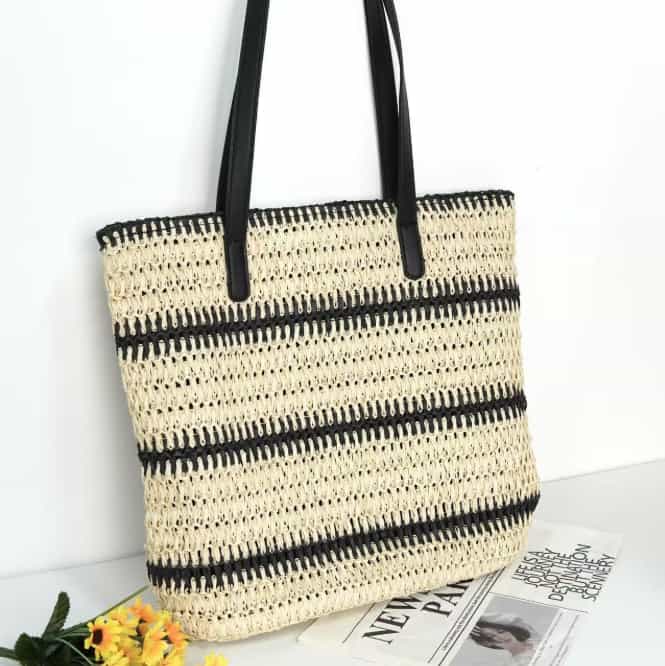
What Makes Raffia Bags “Plastic Free”?
A lot of bags claim to be eco-friendly. But raffia actually delivers.
Here’s what “plastic free” means for raffia bags:
- 100% natural fiber – Raffia comes from the leaves of the raffia palm tree. No synthetics, no plastic threads, no petroleum-based materials.
- Biodegradable – When a raffia bag finally wears out, it returns to the earth. No microplastics, no landfill guilt. Even the packaging can be plastic-free if you choose the right supplier.
- Minimal processing – Sun-dried and hand-woven. No chemical baths, no high-energy factories. Just natural fibers and skilled hands.
- No plastic lining – Some raffia bags use cotton linings instead of polyester. Cotton is breathable, natural, and biodegradable. It takes the whole bag closer to 100% plastic-free.
Where Plastic Hides and How to Spot It
Here’s something a lot of buyers miss: a bag can look like raffia but still contain plastic.
Synthetic fibers are often mixed in to cut costs. Polyester threads, nylon webbing, or polypropylene yarns can be woven alongside natural raffia. The bag still looks like raffia — but it’s not plastic free.
Where plastic hides in raffia bags:
| Hidden Plastic | Where to Look | Why It’s Used |
| Polyester threads | Mixed into the weave | Adds strength, reduces cost |
| Nylon webbing | Handles and straps | Cheaper than cotton or leather |
| Polypropylene yarn | Crochet bags | Mimics raffia, lower cost |
| PVC coating | Handles or trims | Adds “leather-like” look |
| Plastic zippers | Closures | Cheaper than metal |
| Plastic polybags | Packaging | Low-cost protection |
How to spot hidden plastic:
- Feel test – Rub the bag between your fingers. Pure raffia feels soft and slightly rough. Synthetic fibers feel smoother and more uniform.
- Burn test – This is a classic trick. Take a loose thread from the bag and burn it. Pure raffia burns like paper and smells like burnt plant matter. Synthetic fibers melt and smell like plastic.
- Ask your supplier – Simple question: “Is the bag 100% raffia? Or is there any synthetic fiber mixed in?” A legit supplier should know instantly. If they hesitate, they’re hiding something.
- Check the label – Look for “100% natural raffia” or “pure palm fiber” rather than “raffia blend.”
The bottom line: A bag that’s 80% raffia and 20% polyester is not plastic free. Don’t assume — verify.
What Plastic Free Actually Means for Your Customers
“Plastic free” isn’t just a label. It actually means something to the person buying your bag.
What plastic free means to your customer:
- No microplastics shed – Every time a synthetic bag is washed, worn, or thrown away, it sheds microplastics. A plastic-free raffia bag doesn’t.
- Safely biodegradable – At the end of its life, a plastic-free raffia bag can return to the earth through industrial composting. If it’s plastic-free and uses non-toxic dyes, even the pigments are natural.
- No hidden synthetics – A truly plastic-free bag contains zero petroleum-based materials. Not in the fiber, not in the thread, not in the trims.
What they still need to check:
| Feature | Plastic Free Means | Not Plastic Free |
| Fiber | 100% raffia or palm | Blended with synthetics |
| Thread | Cotton or natural fiber | Polyester or nylon |
| Lining | Cotton or none | Polyester |
| Handles | Raffia, cotton, or leather | PVC or plastic webbing |
| Packaging | Paper, cardboard, or compostable | Plastic polybags |
| Dyes | Natural or low-impact | Chemical, non-biodegradable |
The bottom line: “Plastic free” is a promise. And your customers are paying attention. If you label it plastic free, make sure it actually is. One hidden plastic detail — even just polyester thread — can break the trust. If you’re not certain, ask your supplier to put it in writing. It’s not about being perfect — it’s about being honest.
How Plastic Free Raffia Bags Are Made – A Behind-the-Scenes Look
Understanding the production process helps you spot truly plastic-free bags and ask the right questions.
The plastic-free production process:
| Stage | What Happens | Plastic-Free Check |
|---|---|---|
| 1. Harvesting | Leaves are pruned from raffia palms | No plastic involved |
| 2. Stripping | Outer layer removed to reveal fibers | No plastic involved |
| 3. Drying | Sun-dried for 1–3 days | No plastic involved |
| 4. Dyeing | Natural or vegetable-based dyes applied | Check: Are dyes natural? |
| 5. Weaving | Handwoven by artisans | Check: Is thread natural (cotton) or synthetic (polyester)? |
| 6. Assembly | Handles, linings, and hardware added | Check: Are handles plastic-free? Is lining cotton? |
| 7. Packaging | Bag is folded and packed | Check: Is packaging paper/cardboard or |
The bottom line: A truly plastic-free bag isn’t just about the raffia itself — it’s about every component: thread, dye, handles, lining, and packaging. Ask about all of them.
Where to Find Truly Plastic Free Raffia Bag Suppliers
Not every supplier who claims “eco-friendly” actually delivers plastic-free products. Here’s how to find the ones that do.
Where to start your search:
| Sourcing Channel | Pros | Cons |
| B2B platforms (Alibaba, Global Sources) | Large supplier database, easy to compare | Requires vetting — not all suppliers are transparent |
| Trade shows (Canton Fair, Magic) | See products in person, meet factory reps | Time-consuming, travel costs |
| Sustainable fashion directories | Pre-vetted for eco-credentials | Smaller selection, often premium pricing |
| Referrals from other buyers | Trusted recommendations | Limited to your network |
| Direct outreach to known brands | Learn who makes their bags | Brands don’t always share supplier info |
The bottom line: Finding a truly plastic-free supplier takes work. But it’s worth it. Your customers are paying attention — and they’ll reward you with loyalty and trust.
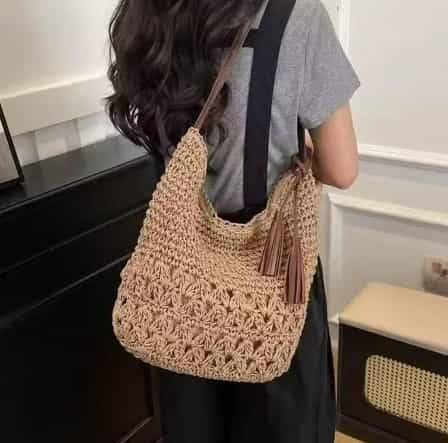
Plastic Free vs. Biodegradable – What’s the Difference?
Here’s something that confuses a lot of buyers: plastic free and biodegradable are not the same thing.
A bag can be biodegradable and still contain plastic — as long as it breaks down eventually. And a bag can be plastic free but not biodegradable in real-world conditions.
Here’s the breakdown:
| Term | What It Actually Means | What It Doesn’t Mean |
| Plastic free | Zero synthetic materials | That it will break down quickly |
| Biodegradable | Will break down eventually | That it’s safe or non-toxic |
| Compostable | Breaks down in specific conditions | That it can go in your backyard bin |
| Plant-based | Made from plants (usually) | That there’s no plastic mixed in |
How to Explain Plastic Free vs. Biodegradable to Your Customers
Your customers will ask about these terms. Here’s how to answer them clearly and honestly.
Simple definitions for customer communication:
| Term | What to Tell Your Customer |
|---|---|
| Plastic Free | “This bag contains zero plastic — no synthetics, no plastic threads, no plastic lining. It’s 100% natural raffia.” |
| Biodegradable | “This bag will break down naturally over time. In a compost environment, it returns to the earth.” |
| Compostable | “This bag can be composted at home or in an industrial facility. It breaks down into nutrient-rich soil.” |
What customers actually care about:
| Customer Concern | How to Address It |
|---|---|
| “Will it last?” | “Yes — raffia is surprisingly durable. It’s built to last for years.” |
| “What happens when it wears out?” | “It can be composted. No plastic. No microplastics. Just plant fiber returning to the earth.” |
| “Is it really better than plastic?” | “Yes — no plastic means no microplastics, no landfill forever, and no petroleum-based materials.” |
The bottom line: Keep it simple. Customers don’t need a chemistry lesson — they need to know the bag is safe, durable, and better for the planet.
How to Package and Ship Plastic Free Raffia Bags
Here’s something retailers don’t think about until the first order arrives: your plastic free bag is only as plastic free as its packaging.
Selling a plastic-free bag in a plastic polybag sends the wrong message. It undermines the story you’re trying to tell.
Plastic-free packaging options:
| Packaging Type | Pros | Cons |
| Kraft paper polybags | Natural look, recyclable | Less moisture protection |
| Cotton dust bags | Reusable, premium feel | Higher cost |
| Cardboard boxes | Recyclable, protective | Takes more storage space |
| Compostable mailers | Plant-based, breaks down | More expensive than plastic |
| No packaging (bulk packed) | Zero waste | Limited protection |
What smart retailers are doing:
- Using branded cotton dust bags inside cardboard boxes — the dust bag becomes a gift to the customer.
- Using paper or compostable mailers for direct-to-consumer shipping.
- Packing multiple bags in recycled cardboard with no individual polybags.
- Adding a small card explaining the plastic-free story — using recycled paper and plant-based ink.
What to avoid:
- Plastic polybags
- Bubble wrap
- Plastic tape
- Excessive packaging — minimal = more sustainable
The bottom line: Your packaging tells the story before the bag does. If your bag is plastic free, your packaging should be too — or your customers will notice the mismatch.
How to Package Raffia Bags with Zero Plastic
Selling a plastic-free raffia bag means nothing if it’s shipped in plastic packaging. Here’s how to keep your promise from production to delivery.
Plastic-free packaging options:
| Packaging Type | Pros | Cons | Best For |
|---|---|---|---|
| Kraft paper bags | Natural look, recyclable, inexpensive | Less moisture protection | Individual bag storage |
| Cardboard boxes | Recyclable, protective, stackable | Takes more storage space | Bulk shipping |
| Cotton dust bags | Reusable, premium feel, brandable | Higher cost | Premium/luxury brands |
| Compostable mailers | Plant-based, breaks down naturally | More expensive than plastic | Direct-to-consumer shipping |
| No individual packaging | Zero waste, cost-effective | Less protection | Bulk orders, wholesale |
What to avoid:
| What to Avoid | Why | What to Use Instead |
|---|---|---|
| Plastic polybags | Made from petroleum, not biodegradable | Kraft paper or cotton dust bags |
| Bubble wrap | Plastic, can’t be recycled easily | Paper padding or recycled cardboard |
| Plastic tape | Contains plastic, not recyclable | Paper tape with natural adhesive |
| Styrofoam peanuts | Plastic, environmental hazard | Recycled paper padding or cardboard dividers |
| Shrink wrap | Plastic, difficult to recycle | Paper wrap or nothing |
The bottom line: If your bag is plastic-free, your packaging should be too. Customers notice the mismatch — and it undermines your story.
How to Ship Plastic-Free Without Damaging Your Bags
Going plastic-free doesn’t mean sacrificing protection. Here’s how to ship safely without plastic.
Plastic-free shipping solutions:
| Shipping Need | Plastic-Free Solution | Why It Works |
|---|---|---|
| Protecting the bag from dust | Kraft paper polybags or cotton dust bags | Keeps bag clean, natural materials |
| Cushioning during transit | Recycled cardboard dividers or paper padding | Protects without plastic |
| Securing the bag in the box | Paper tape or natural twine | Holds bag in place, no plastic |
| Filling empty space | Recycled paper filler or cardboard inserts | Prevents movement during shipping |
| Waterproofing | Compostable mailers or wax-coated paper | Protects from moisture without plastic |
Steps for plastic-free shipping:
- Choose the right box size – Avoid oversized boxes that need extra fillers
- Use paper tape – Reinforce the bottom and top with natural adhesive tape
- Wrap the bag in kraft paper or cotton – Protects from dust and scratches
- Add paper padding – Fill gaps with recycled paper or cardboard
- Label with paper-based labels – Use labels with natural adhesive
- Mark as “plastic-free packaging” – Let customers know you followed through
Pro tip: Let your customers know you ship plastic-free. Add a small note inside the box or on the packaging. It reinforces your brand’s sustainability story and builds trust.
The bottom line: Plastic-free shipping is possible. It takes a bit more planning, but your customers will notice — and appreciate — the effort. Your packaging is part of your brand story, not just a way to ship products.
The Retail Pricing Guide – Plastic Free vs. Regular Raffia Bags
One question I get a lot: “Do I have to charge more for plastic-free bags?”
The short answer is yes — but you can make it work.
Wholesale cost comparison:
| Bag Type | Wholesale Price | Material Cost Difference |
| Regular raffia (with synthetics) | $4–7 | Lower |
| Plastic-free raffia (100% natural) | $7–14 | Higher by $3–7 |
| Plastic-free + cotton lining | $8–18 | Highest |
| Bag Type | Wholesale Price | Retail Price | Margin |
| Regular raffia | $5 | $25–40 | 5–8x |
| Plastic-free raffia | $9 | $50–80 | 5.5–9x |
| Plastic-free + premium story | $12 | $80–120 | 6.5–10x |
Retail price comparison:
What this means for you:
- You can charge more for plastic-free bags. Customers are willing to pay a premium for sustainability.
- The margin is higher on plastic-free bags — even though the wholesale cost is higher.
- You don’t need to compete on price. Compete on story, quality, and sustainability.
The key is positioning:
| Positioning | Price You Can Charge |
| “Summer tote” | $30 |
| “Eco-friendly summer tote” | $45 |
| “Handwoven raffia tote – 100% plastic free” | $65 |
| “Artisan-crafted, plastic-free, biodegradable tote” | $85+ |
The bottom line: Plastic-free bags cost more to make. But they sell for more, too. The margin holds — or even improves — if you position them right.
How to Price Plastic-Free Raffia Bags for Retail
Plastic-free bags cost more to produce. But they also sell for more — and customers are willing to pay for the sustainability story.
Retail pricing guide:
| Bag Type | Wholesale Price | Recommended Retail Price | Markup |
|---|---|---|---|
| Regular raffia (with synthetics) | $4–7 | $25–40 | 5–8x |
| Plastic-free raffia (100% natural) | $7–14 | $50–80 | 5.5–9x |
| Plastic-free + cotton lining | $8–18 | $60–120 | 6–10x |
What affects your pricing power:
| Factor | How It Affects Price |
|---|---|
| Certification (OK Compost, OEKO-TEX) | You can charge 10–20% more |
| Artisan story | You can charge 15–25% more |
| Brand positioning | Premium brands charge 2–3x more |
| Packaging | Plastic-free packaging justifies higher prices |
| Transparency | Clear sourcing story builds trust and price confidence |
The bottom line: Plastic-free bags cost more to make, but they sell for more, too. Customers are willing to pay a premium for real sustainability. The key is positioning — don’t compete on price. Compete on story, quality, and sustainability.
How to Position Your Plastic-Free Raffia Bags for Higher Margins
The way you present your plastic-free raffia bags directly affects how much customers will pay.
Positioning that commands higher prices:
| Positioning | Price You Can Charge | Why |
|---|---|---|
| “Summer tote” | $30 | Basic, no story |
| “Eco-friendly summer tote” | $45 | Sustainability story added |
| “Handwoven raffia tote – 100% plastic-free” | $65 | Clear, specific, believable |
| “Artisan-crafted, plastic-free, biodegradable tote” | $85+ | Premium story + sustainability |
How to justify higher prices:
| What to Show | What It Tells Customers |
|---|---|
| Behind-the-scenes photos | “This bag is made by real artisans” |
| Material story | “100% natural raffia — no plastic, no synthetics” |
| Artisan story | “Handwoven by artisans in Madagascar” |
| Certification badge | “Certified plastic-free and biodegradable” |
| Customer reviews | “Other customers loved the quality and story” |
What to avoid:
| Mistake | Why It Hurts |
|---|---|
| Pricing too low | Customers think quality is low |
| Vague descriptions | “Eco-friendly” without specifics — sounds like greenwashing |
| No photos of the product in use | Customers can’t imagine using it |
| No certifications | Customers don’t trust the claim |
| Cheap packaging | Undermines the premium positioning |
The bottom line: Customers are willing to pay 20–50% more for products with a clear, believable sustainability story. Tell the story well, and your margins will reflect it.
How to Build Trust with Plastic-Free Claims
Customers are increasingly skeptical of “eco-friendly” claims. Here’s how to build genuine trust.
What customers need to trust your claim:
| Customer Need | How to Address It |
|---|---|
| Proof | Show certifications, test results, or third-party verification |
| Transparency | Be specific about materials, sourcing, and production |
| Consistency | Your packaging and shipping should match your claim |
| Honesty | Don’t overstate what the bag can do |
| Story | Show the artisans, the process, the origin |
How to build trust:
- Use certifications – OK Compost, OEKO-TEX, or ASTM D6400 are recognized and trusted
- Share behind-the-scenes content – Show photos of the production process
- Be specific – “100% natural raffia” is better than “eco-friendly”
- Tell the artisan story – Customers trust products with a human connection
- Address limitations honestly – Be upfront about what the bag can and can’t do
The bottom line: Trust is built through transparency. Be specific, show proof, and tell the story behind your product. Customers who trust your brand will pay more and come back
What Customers Need to Trust Your Plastic-Free Claim
Customers are skeptical of “eco-friendly” claims. Here’s what they need to see before they believe you.
What customers need to trust your claim:
| Customer Need | How to Address It |
|---|---|
| Proof | Show certifications, test results, or third-party verification |
| Transparency | Be specific about materials, sourcing, and production |
| Consistency | Your packaging and shipping should match your claim |
| Honesty | Don’t overstate what the bag can do |
| Story | Show the artisans, the process, the origin |
How to build trust:
- Use certifications – OK Compost, OEKO-TEX, or ASTM D6400 are recognized and trusted
- Share behind-the-scenes content – Show photos of the production process
- Be specific – “100% natural raffia” is better than “eco-friendly”
- Tell the artisan story – Customers trust products with a human connection
- Address limitations honestly – Be upfront about what the bag can and can’t do
The bottom line: Trust is built through transparency. Be specific, show proof, and tell the story behind your product. Customers who trust your brand will pay more and come back.
Certifications That Prove Your Plastic-Free Claim
Words are easy to say. Certifications prove you mean it.
Key certifications for plastic-free claims:
| Certification | What It Proves | Where It’s Recognized |
|---|---|---|
| OK Compost | Industrial compostability | Europe, global |
| OK Compost Home | Home compostability | Europe, global |
| EN 13432 | Industrial compostability | Europe |
| ASTM D6400 | Industrial compostability | US |
| OEKO-TEX Standard 100 | No harmful chemicals or synthetics | Global |
| GOTS | Organic natural fibers, no synthetics | Global |
| USDA BioPreferred | Plant-based content | US |
What to display and where:
| Certification | Where to Display It |
|---|---|
| OK Compost | Product page, hang tag, packaging |
| OEKO-TEX | Product page, hang tag, email marketing |
| ASTM D6400 | Product page (for US customers) |
| GOTS | Product page, social media |
| USDA BioPreferred | Product page (for US customers) |
The bottom line: Certifications prove your claim. Display them prominently on your product page, hang tags, and packaging. Customers trust certified products more than unverified claims.
Wrapping it Up
Plastic free summer bags aren’t just a trend — they’re what customers actually want. Raffia delivers on sustainability, style, and versatility. And with the right wholesale supplier, you can stock them at prices that make sense for your store.
Know your sourcing regions. Check the materials. Order a sample. And work with a supplier who actually cares about quality.
Ready to add plastic free summer bags to your wholesale collection?
Contact Rafico Accessories for a custom raffia bag quote or wholesale pricing. We’ll help you find the right styles for your summer line — without the plastic.